




The Storytelling Gamble of a Time-Jump
In television, audience loyalty is everything. Viewers spend seasons building a relationship with a character, intrinsically linking them to the actor who plays them. A significant time jump that requires recasting puts that bond at risk. If the new actor doesn’t
feel like the same person, the illusion is broken and the character’s entire emotional journey can feel hollow. It’s a storytelling gamble so perilous that many productions avoid it entirely, choosing to condense timelines or use aging makeup that often looks unconvincing. For an epic that spans decades, like HBO's 'House of the Dragon,' successfully navigating these jumps isn't just a creative choice; it’s a foundational pillar of the entire narrative. Failure would mean the sprawling, multi-generational story collapses before it even has a chance to unfold, leaving audiences disconnected from the very characters they are meant to follow for years.
Casting for Essence, Not Appearance
The secret to making these jumps work lies in a surprisingly simple, yet difficult-to-execute, casting philosophy: cast for essence, not for a perfect physical match. The creative team behind 'House of the Dragon' prioritized finding actors who shared a character’s “spiritual DNA” over those who were simply lookalikes. According to showrunner Ryan Condal, the process often involved casting the older, more established versions of the characters first. This set a clear target. The casting directors then had to find younger actors who could believably grow into the performances laid down by their older counterparts. The search wasn't for identical features but for a shared energy, a similar emotional frequency, or a complementary sensibility. This approach shifts the focus from superficial resemblance to profound performance, trusting that the actors can create a continuity of soul that transcends physical appearance. It’s a method that has also been used to great effect on shows like 'The Crown,' which completely recasts its royal family every two seasons.
A Tale of Two Queens
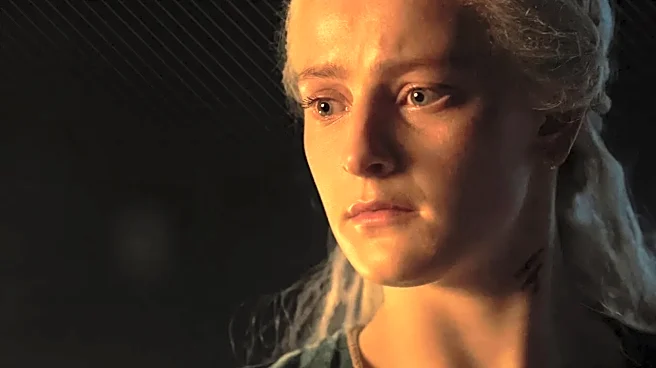
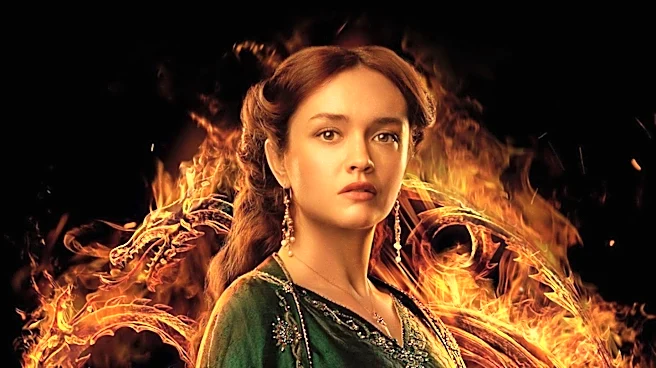
Nowhere is this philosophy more brilliantly demonstrated than in the portrayals of Rhaenyra Targaryen and Alicent Hightower. Milly Alcock’s young Rhaenyra is a bundle of defiant, restless energy, chafing under the constraints of her position. When Emma D’Arcy takes over the role after a ten-year jump, the fire is still there, but it’s now banked into a weary, hardened resolve. They don't look like twins separated by a decade, but they feel like the same person, shaped by loss and responsibility. The same is true for Alicent. Emily Carey’s performance as the young queen is defined by a watchful, anxious insecurity, a girl trying to navigate a world of powerful men. When Olivia Cooke steps in, that anxiety has curdled into a tightly wound, righteous resentment. The continuity is emotional and behavioral; it's found in a shared glance, a familiar posture, or a cadence that echoes the younger self. This seamless transition is what sells the illusion and makes the dramatic leap in time feel not just believable, but earned.
Building a Believable Dynasty
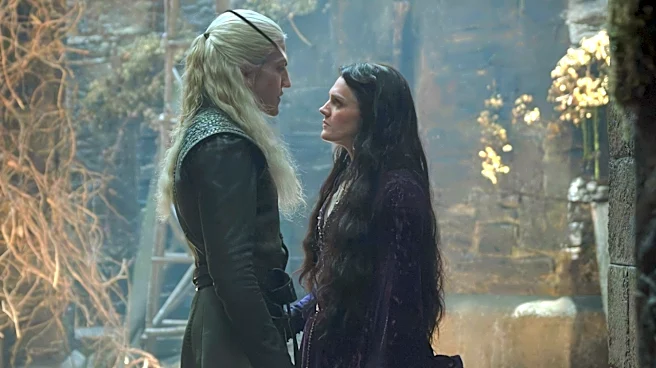
This principle of spiritual succession extends across the show's entire ensemble, especially with the frequent recasting of the Targaryen and Velaryon children. As characters like Aegon, Aemond, and Jacaerys age from boys into young men, each new actor is tasked with carrying the torch of the previous one. The casting ensures that key personality traits remain consistent, creating a cohesive and believable family tree. We see a boy's petulance mature into a man's hedonistic entitlement, or a child's simmering resentment sharpen into a warrior's cold fury. This ensemble-wide commitment transforms the time jump from a narrative hurdle into a powerful world-building device. It allows the show to depict the slow, generational decay of a dynasty in a way that feels organic and historically deep. The changing faces become a visual metaphor for the passage of time and the inheritance of simmering conflicts, making the world feel vastly more real and lived-in.