


A Mullet, a Shag, and a TikTok Account
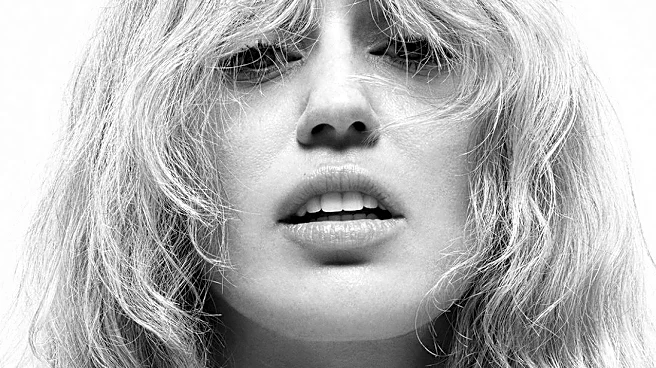
First, let's define the phenomenon. The wolf cut is a wildly popular hairstyle characterized by its heavy, voluminous layers on top that taper into wispy, longer lengths at the back. Think of it as the cool, rebellious child of two iconic haircuts: the 1970s
shag and the 1980s mullet. It takes the shag's face-framing texture and the mullet's 'business in the front, party in the back' structure and blends them into something modern and untamed. Its name is fitting, meant to evoke the wild, textured mane of a wolf. While its roots can be traced to tastemakers in South Korea's K-pop scene, its global explosion was fueled by TikTok. The platform became a hotbed for DIY tutorials, with millions watching as users bravely took scissors to their own ponytails, creating a choppy, layered look that felt both accessible and defiant.
The Allure of Imperfection
Part of the wolf cut's power lies in its rejection of pristine, high-maintenance beauty standards. This is not a sleek, perfect bob or a set of uniform beach waves. It’s intentionally messy, choppy, and built on a foundation of 'perfectly undone' texture. In an era saturated with flawless filters and curated online personas, the wolf cut offers a breath of fresh, unkempt air. It works with natural hair patterns, from straight to curly, encouraging a low-maintenance approach that champions individuality over conformity. The styling is often as simple as adding a texturizing spray and tousling it with your fingers, embracing a bedhead aesthetic that feels authentic and lived-in. This embrace of the imperfect is a quiet rebellion against the pressure to appear polished at all times, making it a go-to for those seeking a look that feels both cool and effortlessly real.
A Hairstyle Beyond the Binary
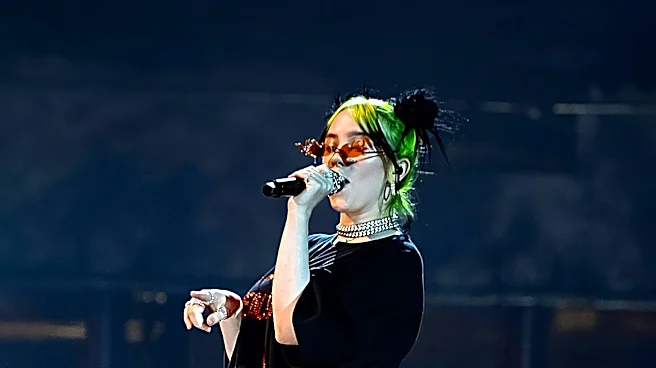
More than just a throwback, the wolf cut has become a subtle yet significant symbol in conversations around gender identity. It’s an inherently androgynous style, blending traditionally masculine (the mullet) and feminine (the shag) elements into a fluid, gender-neutral look. Its popularity has soared among those who wish to express an identity that exists outside of rigid gender norms. Celebrities like Billie Eilish, Miley Cyrus, and Timothée Chalamet have all sported variations of the cut, showcasing its versatility across the gender spectrum. By avoiding distinctly male or female styling cues, the wolf cut allows the wearer to define its meaning. It can be softened with curtain bangs or sharpened with edgier, shorter layers, but its core remains a versatile canvas for self-expression, making it a powerful tool for a generation that increasingly views gender as fluid.
An Echo of Rebellion Past and Present
Every generation reinterprets the styles of the past, and the wolf cut is a direct nod to the rebellious energy of 70s rock and 80s punk. It channels the spirit of icons like Joan Jett and David Bowie, who used their hair to defy convention and signal a break from the mainstream. That vintage appeal makes the wolf cut feel both familiar and edgy, tapping into a collective nostalgia for eras of unfiltered creative expression. But it’s not pure imitation. By emerging from social media and DIY culture, the modern wolf cut carries a new form of rebellion. It symbolizes a desire for personal freedom and a rejection of being told how to look by traditional authorities—whether that's a high-fashion magazine or a salon stylist. It suggests confidence, a bit of wildness, and an independent spirit perfectly suited for today.