

First, What Is Aspect Ratio?
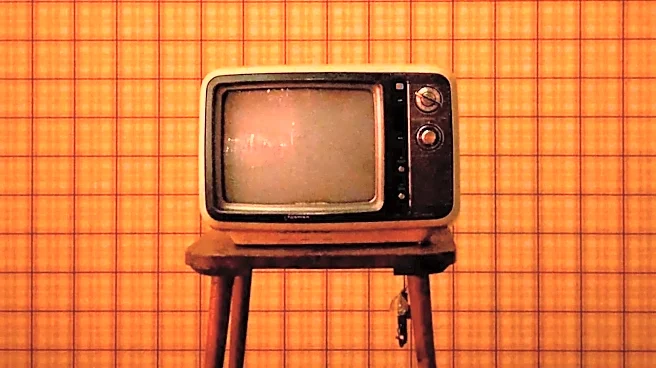
Think of aspect ratio as the proportional relationship between the width and height of the image. It’s why movies sometimes have black bars on your TV. For decades, the standard for television was 4:3, a nearly square box that evokes a feeling of nostalgia
or even claustrophobia today. Now, the universal standard for your HD television is 16:9, a balanced widescreen format that has become our default visual language for most shows. Then there’s the ultra-wide cinematic look, often around 2.39:1, which you associate with epic blockbuster movies. For years, these were mostly fixed settings. But lately, savvy directors have started treating them less like rules and more like creative tools, changing them mid-show to tell a better story.
The Cinematic Shift: Expanding the World
One of the most effective ways directors use aspect ratio is to signal a change in scale. A show might spend most of its time in the standard 16:9 format, only to have the black bars vanish as the screen expands vertically for a massive action sequence. The most famous proponent of this is director Christopher Nolan, whose films like The Dark Knight switch to a taller IMAX format for breathtaking set pieces. But television has caught on. In The Mandalorian, the show maintains a cinematic, wide aspect ratio for most of its runtime, but for a climactic battle against a colossal Krayt dragon, the frame suddenly expands to fill the entire TV screen. This shift gives the monster an immense sense of height and scale, making the moment feel more epic and immersive without a single line of dialogue explaining it. It’s a purely visual cue that tells the audience: pay attention, this is huge.
The Boxed-In Feeling: Nostalgia and Claustrophobia
Just as opening up the frame can create a sense of grandeur, shrinking it can be just as powerful. Using the old 4:3 ratio can immediately transport an audience to a different era, a technique used brilliantly by Wes Anderson in his film The Grand Budapest Hotel to distinguish between timelines. But in television, it can also create a powerful sense of confinement. The masterclass for this is Marvel’s WandaVision. The series begins in a 4:3 aspect ratio, perfectly mimicking the sitcoms of the 1950s and 60s. This choice wasn't just for nostalgic accuracy; it made Wanda's constructed reality feel like a literal box. As the show progressed through later TV eras, the ratio widened to 16:9. When the outside world of the Marvel Cinematic Universe—with its signature 2.39:1 cinematic scope—intruded, the frame would often shift again, visually representing the collision of Wanda’s fantasy with reality.
Beyond the Gimmick: Making It Mean Something
As the directors of Fall 2026’s biggest shows map out their visuals, the real challenge isn’t just using this trick, but making it count. An aspect ratio shift for its own sake is a hollow gimmick. The change has to be motivated by the story, character, or theme. Is a character feeling trapped in a memory? A shift to 4:3 could enhance that feeling of being boxed in. Is a fantasy sequence meant to feel more epic than the real world? Expanding the frame can sell that dream. The key is consistency and purpose. When the visual language of the frame is tied directly to the narrative, it elevates the entire viewing experience from passive watching to active interpretation. It rewards attentive viewers and adds a layer of artistry that separates good television from great television. It’s a deliberate choice, a storytelling statement that proves every part of the frame matters.