


The Architecture of Emotion
A great festival set is not a random collection of songs; it's a meticulously crafted emotional journey. Artists and their teams spend weeks, if not months, designing the setlist's narrative arc. They start by grabbing the audience's attention with a high-energy
opener, build momentum, and then strategically place slower, more intimate songs to create moments of connection and give the crowd a chance to breathe. This creates a dynamic flow, often compared to a story with a distinct beginning, middle, and end. By balancing energy and tempo, performers guide the audience through peaks of euphoria and valleys of quiet introspection, making the entire experience feel more like a shared, organic event than a pre-planned concert. Smooth transitions between songs, sometimes linking them by key or creating seamless segues, eliminate awkward pauses and maintain the immersive flow, keeping the energy from dropping.
The Illusion of the First Time
Much of what appears to be spontaneous banter or an off-the-cuff story is often as rehearsed as the songs themselves. This isn't about being fake; it's about perfecting the delivery so the connection feels genuine every single night. Artists will practice stories, jokes, and audience interactions to ensure they land with maximum impact. Think of it like a Broadway play—the actors deliver the same lines nightly, but the goal is to make it feel like the words are being spoken for the first time. By drilling these moments, performers free themselves from having to think about what to say next. This mental freedom allows them to be more present and genuinely react to the audience's energy, which in turn makes the scripted moments feel authentic and alive.
Mastering the Art of Improvisation
The ultimate goal of intense rehearsal is not to eliminate spontaneity, but to earn it. When a band is so tight that they can play the set in their sleep, they build a foundation of trust and technical security. This mastery allows them to deviate from the plan without fear. The best shows build in specific “windows” for improvisation—a guitar solo, a call-and-response with the crowd, or an extended instrumental break. Because the framework is so solid, the band can confidently take risks, reacting to the unique energy of that specific audience on that specific night. This is where true magic happens. It’s a paradox: the more you rehearse, the more freedom you have to be spontaneous and create a one-of-a-kind moment that will never be repeated. It's a balance between a deep knowledge of the material and the freedom to explore it in the moment.
The Unseen Performers
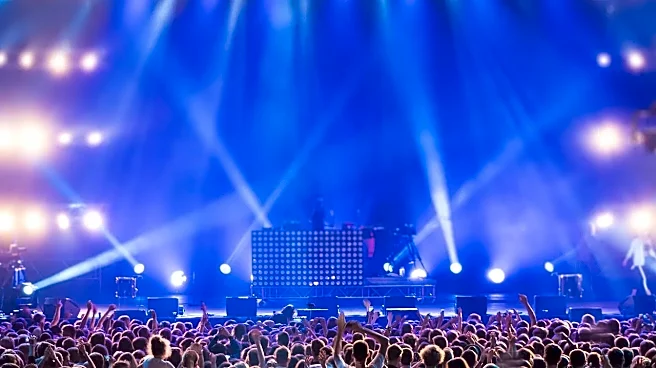
The artist on stage isn't the only one performing. A massive team of unseen professionals is working in real-time to amplify the feeling of spontaneity. The lighting designer is essentially playing the stage like an instrument, using dynamic lighting to match the music's mood, from warm, intimate glows during a ballad to energetic, flashing strobes during an anthem. These cues are heavily programmed, but a skilled operator can also react on the fly, accentuating an unexpected moment. Likewise, the sound engineer is constantly adjusting levels, adding effects, and ensuring every note hits with maximum impact. This combination of pre-planned technical brilliance and live, human adjustment creates a multi-sensory experience that makes a well-rehearsed show feel like a living, breathing entity.