


From Consumer to Creator
Mainstream fashion operates on a simple premise: a designer creates, a brand produces, and a customer buys. Even high-end haute couture, while custom-fitted, is ultimately the vision of a prestigious fashion house executed for a client. Cosplay fundamentally
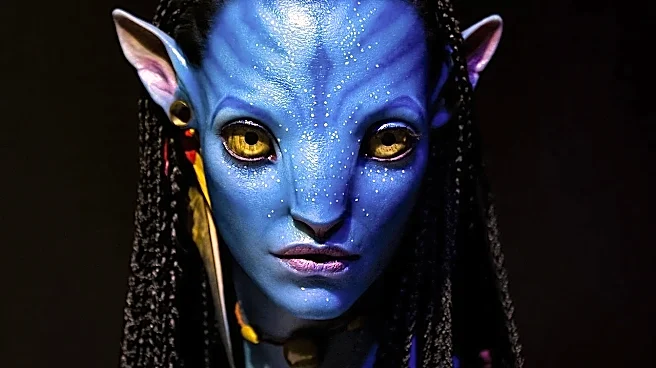
inverts this model. The journey doesn't start in a store but with an idea—a beloved character from a video game, anime, or comic book. The cosplayer then steps into the role of designer, researcher, and engineer. They deconstruct the 2D character design, figuring out how to translate fantastical armor or impossible silhouettes into a wearable, 3D garment. This process isn't about consumption; it’s about creation from the ground up, making the wearer the ultimate authority on their own outfit.
A Skillset Beyond the Seams
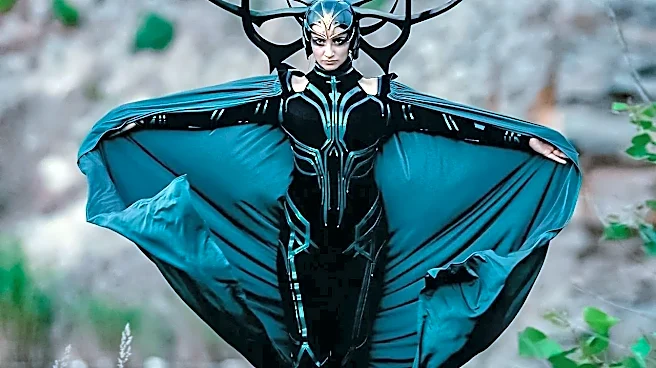
Calling a cosplayer a “designer” is almost an understatement. The craft demands a dizzying array of skills that go far beyond traditional sewing. While fabric work and pattern-making are foundational, a complex costume might require foam-smithing for armor, 3D printing for detailed props, electronics for light-up effects, resin casting for gems, and intricate wig styling to defy gravity. Cosplayers become multidisciplinary artisans, learning and mastering techniques from sculpture to industrial design. They spend dozens, if not hundreds, of hours on a single project, not for a client, but for the personal satisfaction of bringing a vision to life. This depth of technical skill and personal investment is a stark contrast to the disposable nature of modern trend cycles.
The Anti-Fast Fashion Statement
If fast fashion is about speed, disposability, and conforming to mass-produced trends, cosplay is its philosophical opposite. It is slow, personal, and deeply individualistic. The value of a cosplay isn't its price tag but the time, passion, and ingenuity invested in it. These creations are often labors of love, intended to be worn with pride at conventions and events, and celebrated for their craftsmanship. While the mainstream fashion industry has seen DIY movements before, from the punk scene's ripped tees to the counter-culture craft of the '60s, cosplay has created a durable, global community built around this ethos. It's a conscious rejection of the idea that style is something you buy off a rack.
Where Community Is the Runway
In traditional fashion, the runway is an exclusive space for models and industry insiders. In cosplay, the runway is the convention floor, the online forum, and the social media tag. It is a communal and often collaborative space where creators share techniques, offer encouragement, and celebrate each other’s work. The audience isn't a passive consumer base but a network of peers who understand the effort behind every stitch and sculpted piece of foam. While a creator economy has emerged, allowing top-tier talent to monetize their skills through print sales or commissions, the heart of cosplay remains a passion-driven community. For the vast majority, the reward isn't profit, but the shared joy of creation and the connection with others who speak the same creative language.