
The Myth: It’s a Desert Coachella with Big-Name DJs
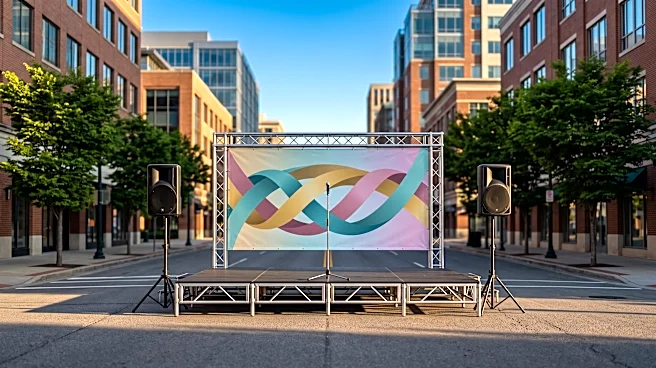
The pulsating lights and seas of people dancing to electronic music certainly create a concert-like image. It’s easy to assume there’s a main stage with a meticulously scheduled lineup of headliners, just
like any other major music festival. You might see social media posts from famous DJs, reinforcing the idea that they are paid performers booked for a show. It's a simple assumption: where there's a crowd and a beat, there must be a promoter and a ticketed concert.
The Reality: Music Is a Gift, Not a Product
Burning Man's organization doesn't book a single musical act. There are no official stages or scheduled headliners. All music is a gift from the participants themselves. Large groups, called theme camps, build their own sound stages and bring their own equipment. Mutant vehicles, often decked out with massive speakers, roam the desert landscape acting as mobile dance parties. While world-famous DJs do perform, they do so for free as their contribution to the event, often playing at camps run by their friends. The music is everywhere, a spontaneous and chaotic symphony created by and for the attendees, not a performance delivered to them.
The Myth: There Are Food Trucks and VIP Sections
At any standard festival, your wristband gets you in, but your wallet gets you everything else—from food and water to merchandise and exclusive access. The business model is transactional. You are a consumer. It would be natural to think a 70,000-person event in the desert operates the same way, with vendors selling essentials and brands offering sponsored VIP experiences.
The Reality: It’s Built on Decommodification and Radical Self-Reliance
Aside from coffee and ice, nothing is for sale in Black Rock City. This is because of two core tenets: Decommodification and Radical Self-Reliance. Decommodification means the space is free from commercial sponsorships, advertising, and transactions. You can't buy anything, so there are no brands to see. Radical Self-Reliance means you are responsible for your own survival and experience; you must bring all of your own food, water, and shelter for the week. Instead of commerce, the community runs on a gifting economy, where participants share resources and talents without expecting anything in return. That free drink you get at a camp's bar isn't a promotion; it's a gift.
The Myth: You Go to Watch the Spectacle
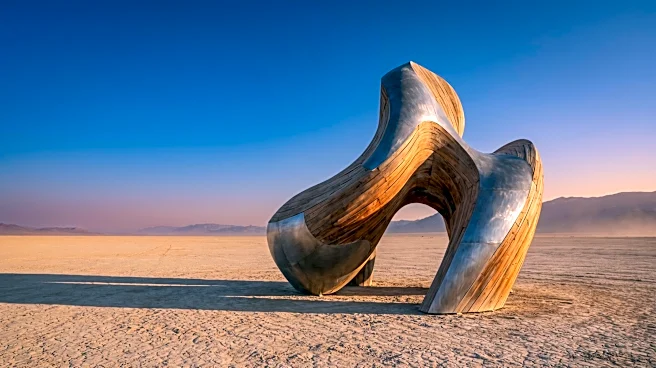
The sheer scale of the art and the wild energy of the event give the impression that it’s a show to be watched. People go to see the massive sculptures, watch the fire dancers, and observe the general pleasant chaos. The ticket is for admission to a gallery or a performance, where you are the audience and the event is the product you consume visually. It's an experience you capture on your phone and take home as a memory.
The Reality: You Are the Spectacle
One of Burning Man's most famous slogans is "No Spectators." This is tied to the principle of Participation. The event is not something you attend; it’s something you help create. The art is built by attendees, the 'parades' are simply people in costume walking by, and the performances are spontaneous expressions. Every participant is expected to contribute in some way, whether by building art, volunteering, hosting a camp with an activity, or simply engaging with others in a creative way. The line between artist and audience is completely erased. You aren't there to see the show; you are the show.