



The Dizzying Speed of 'Now'
Once, trends moved seasonally, trickling down from runways over months. Now, thanks to the algorithmic churn of social media, they move at the speed of a swipe. These are the micro-trends: a specific silhouette like balloon pants, an unexpected accessory
like a headscarf, or a novelty handbag that's suddenly everywhere. New York Fashion Week acts as an echo chamber for this phenomenon. The sidewalks outside the shows become a real-time leaderboard of what's peaking. The pressure isn't just to be fashionable, but to be fluent in what’s fashionable this very second. This accelerated cycle, driven by platforms like TikTok, turns style into a high-speed performance, demanding constant updates to prove relevance. It's an exhausting treadmill designed to make you feel perpetually behind.
The Empty Promise of the Trend Cycle
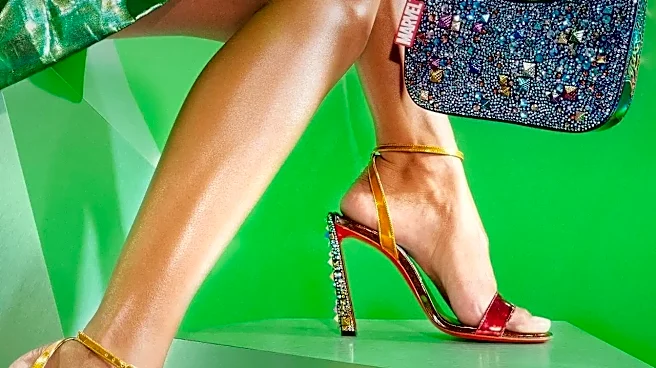
The problem with chasing micro-trends is that they offer a hollow victory. They promise inclusion and relevance, but deliver a wardrobe full of items with a shockingly short lifespan. That It-item you bought—be it jorts or heeled thong sandals—feels essential one week and obsolete the next. This cycle is not only expensive and unsustainable, but it also erodes individuality. When everyone is chasing the same algorithm-approved look, personal expression is replaced with mimicry. Fashion becomes less about communicating who you are and more about demonstrating that you saw the same videos as everyone else. The result is a landscape where people are focused on buying individual 'pieces' for instant gratification rather than building a cohesive and lasting wardrobe.
Personal Style as an Anchor
This is where strong personal style becomes a quiet act of rebellion. It's the decision to build a wardrobe based on self-knowledge, not external validation. True personal style is a language you develop over time, focusing on silhouettes that suit your body, a color palette that makes you feel confident, and pieces that reflect your actual life. It's the difference between buying a dress because it's trending and buying it because it embodies a quality you value—be it creativity, professionalism, or simplicity. This approach isn't about rejecting fashion; it's about reclaiming it. You can still appreciate and even incorporate trends, but you do so as an editor, interpreting them through your unique lens rather than blindly imitating.
How Authenticity Wins at Fashion Week
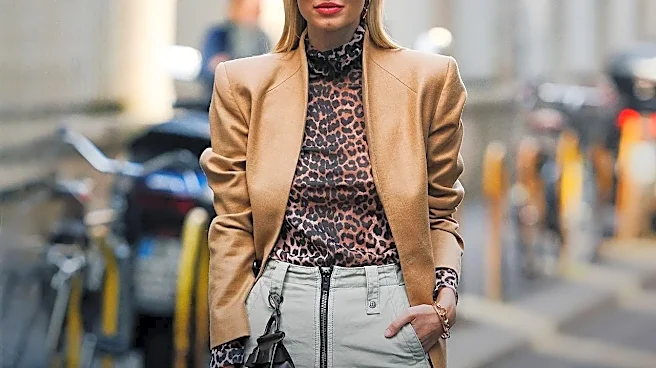
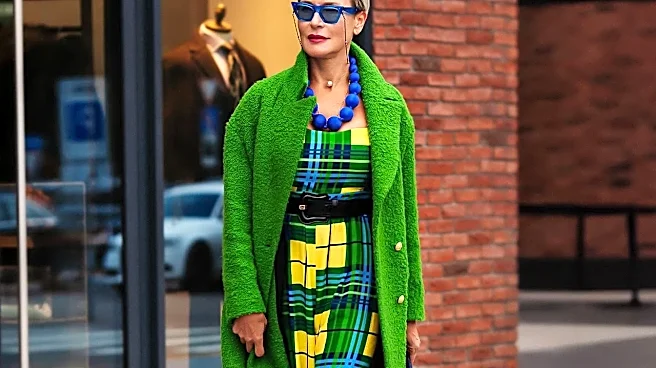
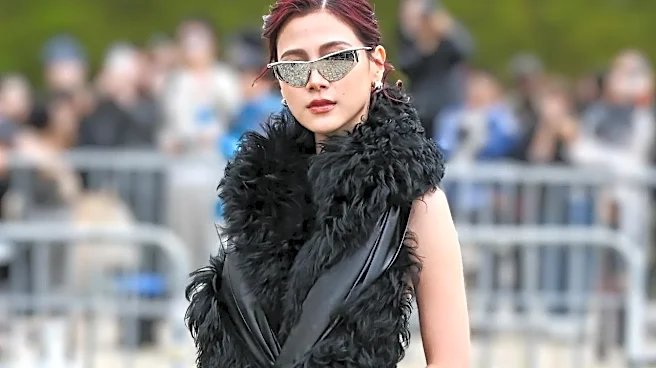
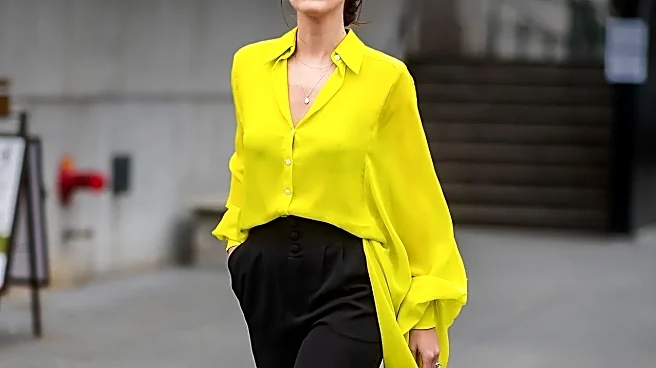
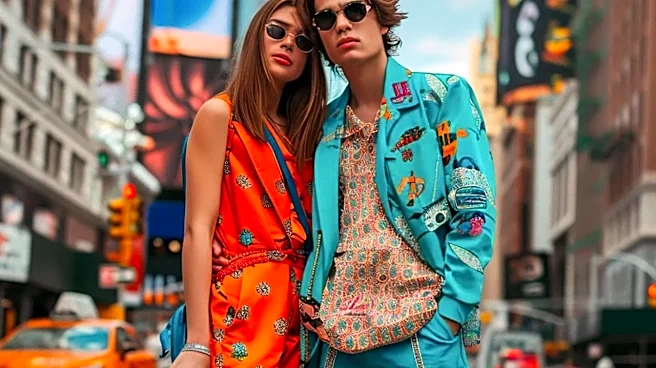
Look closely at the most compelling street style images from NYFW, and you'll find it's rarely the people wearing the most obvious trends who stand out. The individuals who capture attention are those whose outfits tell a story. Their style feels deliberate and authentic, a curated collection of pieces that couldn't be replicated by simply copying a shopping list. They have a point of view. In a sea of people wearing the same trendy item, the person with a strong personal aesthetic—whether it's minimalist tailoring, curated vintage, or bold, graphic patterns—is the one who truly looks stylish. Their confidence comes not from wearing what's 'in,' but from knowing who they are. They make the trend cycle matter less because they're operating on their own terms.