
The Myth: A Preppy Costume Piece
The common assumption is that loafers at Wimbledon are part of a costume. They’re seen as the default footwear for a certain kind of Anglo-American, preppy aesthetic—a lazy signifier of old money and Ivy
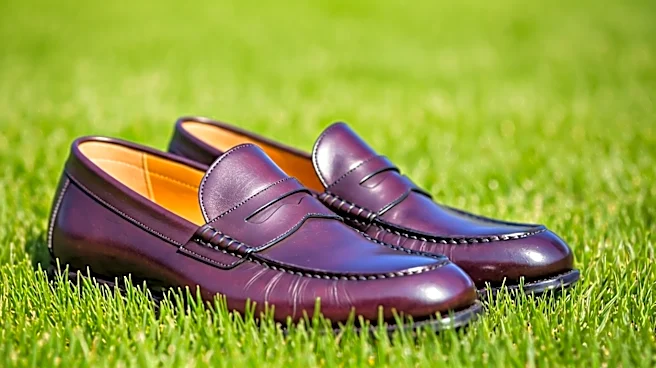
League nostalgia. The loafer, particularly the penny loafer, has been a cornerstone of this style since the 1950s, worn by everyone from college students to Hollywood stars. In the context of Wimbledon's famously well-dressed crowds, slipping on a pair can feel like a predictable choice, an easy way to fit into the unwritten “smart casual” dress code without giving it much thought. It’s a caricature, really: the effortless gent, sockless in his brown loafers, looking like he just stepped off a yacht and onto Centre Court. This view paints the choice as one of pure aesthetics, a nod to a tribe rather than a considered decision.
The Reality: A History of Practical Elegance
The truth is far more practical. A day at Wimbledon is a marathon, not a sprint. It involves navigating sprawling grounds, queuing for refreshments, and spending hours on your feet, often on grass. In this environment, a stiff, formal dress shoe is impractical, and a casual sneaker would feel out of place amid the elevated atmosphere. The loafer strikes the perfect balance. Its origins, whether traced to Norwegian fishermen or English aristocrats wanting a shoe to “loaf around” in, are rooted in comfort and ease. Unlike a laced-up Oxford, a well-made loafer is designed for slip-on comfort and flexibility, often with softer leathers or suedes that are more forgiving over a long day. Choosing a loafer isn't about conforming to a preppy ideal; it's a savvy solution to the specific demands of the event—maintaining style without sacrificing all-day comfort.
The Exacting Choice: Craftsmanship and Function
For Wimbledon’s most discerning dressers, the choice of a loafer is anything but lazy. It is, in fact, exacting. These aren't just any off-the-shelf slip-ons. An exacting dresser considers the construction: the soft, breathable suede that’s ideal for summer weather; the flexible leather or durable rubber sole that can handle both grass and pavement; the cushioned insole that provides support. Brands have built their reputations on these details. Driving loafers, with their pebbled rubber soles, offer excellent grip and flexibility. Tassel and horsebit loafers, elevated by designers like Gucci, bridge the gap between casual and formal, making them suitable for hospitality suites. This focus on quality and function is the true hallmark of an exacting dresser. They aren't buying a costume piece; they are investing in a well-crafted tool that allows them to navigate the day with effortless grace.
The Modern Spectator: Redefining the Look
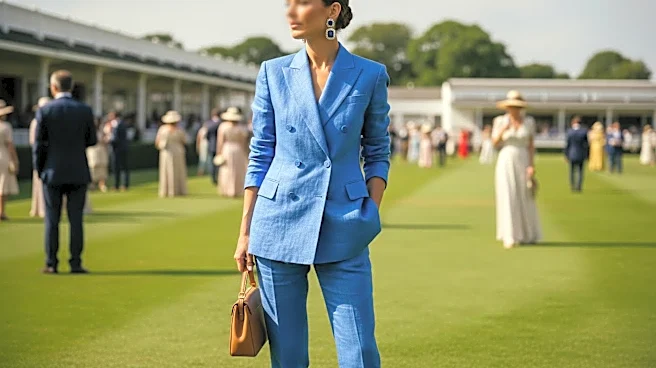
Today, the loafer's presence at Wimbledon is less about a single, monolithic “preppy” look and more about versatile, personal style. Spectators are pairing them in new and modern ways. You’ll see classic penny loafers with sharp tailoring, but you’ll also see colorful suede loafers with summer dresses, or chunky platform loafers that add a contemporary edge to a classic outfit. The shoe has become a canvas for personal expression. It can soften the formality of a suit, making it appropriate for a daytime sporting event, or elevate a more casual combination of chinos and a linen shirt. This evolution demonstrates that the loafer is not a static symbol of a bygone era. It is a timeless classic precisely because it continues to be adapted and reinterpreted by new generations of style-conscious attendees who appreciate its blend of history, comfort, and enduring appeal.