





The Star as a Shortcut to Relevancy
In an era of endless scrolling and algorithmic recommendations, the biggest challenge for any streaming service is simply getting noticed. With hundreds of new shows debuting across platforms, how do you convince a viewer to click on something unfamiliar?
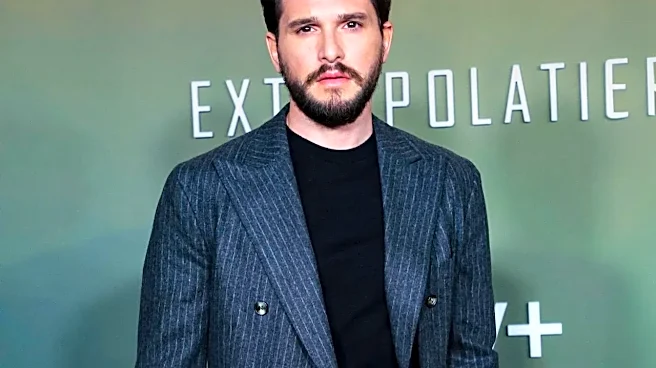
Apple's answer is to make the unfamiliar feel instantly familiar by anchoring it with a globally recognized star. From its launch with Jennifer Aniston and Reese Witherspoon in 'The Morning Show' to its 2026 slate featuring the likes of Ryan Reynolds, Kenneth Branagh, and Chris Pratt, the strategy is consistent. A major celebrity acts as a powerful marketing tool and a perceived guarantee of quality. It transforms a show from an unknown quantity into 'the new Harrison Ford series' or 'that thriller with Tatiana Maslany.' This approach isn't just about attracting an initial audience; it’s about creating an 'event' out of a premiere, generating headlines and social media buzz that a cast of talented newcomers might struggle to achieve.
Curating a Luxury Brand, Not Just a Catalog
Unlike Netflix, with its sprawling library designed to have something for everyone, Apple TV+ has pursued a different path. Its goal has never been to win on volume but on prestige. The platform is curated to feel more like a boutique than a superstore, and its heavy reliance on A-list talent is a core part of that brand identity. Industry analysts have often compared its approach to the classic HBO model: focus on high-production values, creator-driven stories, and a roster of decorated stars that signals to the audience that this is premium content worth their time and money. By consistently associating its brand with top-tier actors like Elle Fanning, Michelle Pfeiffer, and Keanu Reeves, Apple is building a halo effect. The message is clear: the Apple logo on a show or movie signifies the same level of quality and polish that customers expect from its hardware. It’s a bet that a smaller, more curated catalog of star-studded projects will build a more loyal and discerning audience over time.
The Pricey Economics of a Loss Leader
Attaching major stars to projects does not come cheap, with budgets for top-tier streaming shows often soaring into the tens of millions per episode. Reports indicate Apple spends billions annually on content, and the streaming service itself is not profitable, reportedly operating at a loss. However, evaluating Apple TV+ as a standalone business misses the point entirely. For Apple, the world's most valuable company, the streaming service is a strategic asset, not a primary profit center. It functions as a 'loss leader' designed to enhance the value of its entire ecosystem. The service is a key component of the Apple One subscription bundle and a perk for new hardware purchases, making the company's high-margin devices and profitable services division stickier. In this context, the high cost of celebrity talent is a marketing expense for the entire Apple brand. The goal isn't for a single show to recoup its budget through new subscriptions but for the entire slate of programming to make the Apple ecosystem feel indispensable.
But Is the Star Strategy Actually Working?
Judged by traditional metrics like market share and total viewership, Apple TV+ remains a small player compared to giants like Netflix and Amazon Prime Video. But again, that measurement assumes Apple is playing the same game. If the objective is to create a talent-friendly haven that attracts the best creators, the strategy is showing results. By giving showrunners creative freedom and allowing popular series to conclude on their own terms, Apple has built a reputation that draws in more A-listers for future projects. Shows like 'Ted Lasso' became cultural phenomena and awards magnets, elevating the platform's profile far beyond its subscriber numbers. Upcoming 2026 releases like the action-comedy 'Mayday' and the drama 'Way of the Warrior Kid' are the latest tests of this model. Success for Apple isn't measured in dominating daily viewership charts, but in creating cultural moments and reinforcing its premium brand identity. In that respect, its star-focused playbook is proving to be a savvy, albeit expensive, long-term investment.