




The Built-In Audience Shows Up First
More than almost any other genre, horror has a dedicated, built-in fanbase that treats new releases like an event. These are the moviegoers who follow horror news, watch every trailer, and make plans to be in the theater on opening night. This loyal audience
shows up in droves immediately, creating a massive, front-loaded surge in ticket sales. Unlike a drama or a comedy that might slowly build an audience through word-of-mouth, a major horror release gets its most devoted fans in the door right away. The result is a spectacular opening weekend number that is often more a measure of existing fan devotion than a sign of broad, mainstream appeal that will last for weeks.
Urgency, Spoilers, and Shared Screams
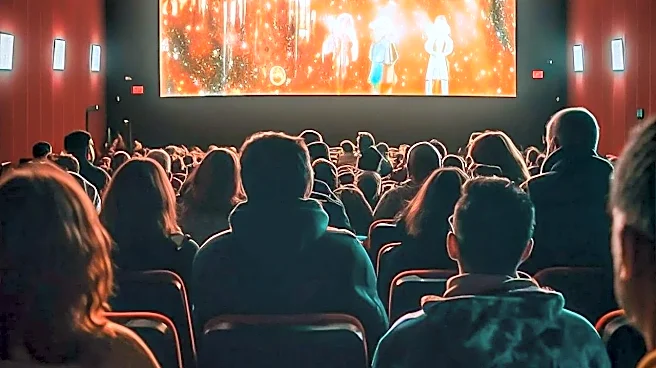
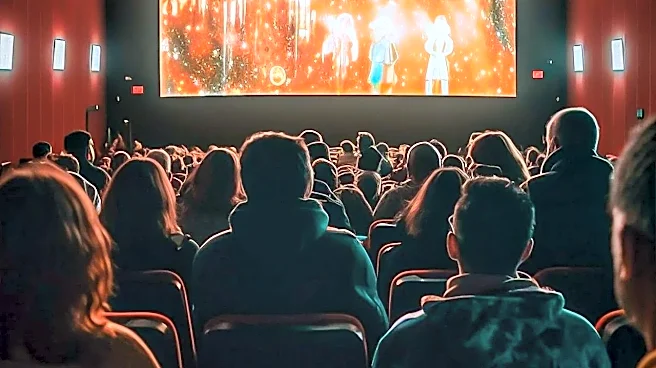
Horror is a communal experience. Part of the fun is screaming, jumping, and laughing with a packed theater of strangers. This creates a powerful sense of urgency to see the film before the hype dies down. Beyond the social experience, there's the practical matter of spoilers. Twist endings, character deaths, and the nature of the big scares are key to the viewing experience. In the age of social media, waiting even a few days can mean having the entire movie ruined for you. This dynamic pressures not just hardcore fans but also curious mainstream viewers to buy a ticket for the first weekend. That collective desire to get in on the secret before it's common knowledge compresses the audience into a very short window, leading to a huge opening followed by a steep drop-off.
An All-Out Marketing Assault
Studios understand this dynamic and build their marketing plans around it. The strategy for a horror film isn't to sustain a campaign for two months; it's to unleash a marketing firestorm in the weeks leading up to release, peaking on opening weekend. They use everything from creepy viral stunts to mysterious posters and high-impact trailers designed to create an immediate emotional reaction. The goal is to generate maximum awareness and curiosity, turning the movie into an unmissable event for one specific weekend. This approach is highly effective at driving initial ticket sales but isn't designed for the long haul. Once the opening weekend is over, the marketing budget has largely been spent, and the film is left to survive on its own merits.
When Word-of-Mouth Turns Vicious
While a great opening is driven by hype, a film's 'legs'—its ability to keep selling tickets—depend entirely on word-of-mouth. For horror, this is a double-edged sword. A film that genuinely delivers scares and a satisfying story can have a healthy run. However, if the audience leaves disappointed, the feedback is swift and brutal. A film labeled 'not scary' or 'predictable' will see its audience evaporate. The second-weekend box office drop is the clearest signal of a film's reception. A drop of 50-60% is standard, but for horror, declines of 70% or even 80% are not uncommon, indicating that the initial wave of moviegoers warned everyone else to stay away. A recent example, 'Other Mommy', saw a 70% drop in its second weekend after a strong start, a classic sign of poor buzz.
It’s a Business Model, Not a Failure
Ultimately, a massive opening followed by a rapid decline isn't necessarily a sign of failure. For many horror films, particularly those with low to modest production budgets, it's the entire business model. Companies like Blumhouse have mastered the art of producing horror films cheaply, marketing them aggressively for a huge debut, and turning a profit within the first few days of release. By the time the second weekend rolls around, the movie may have already made back its production and marketing costs. In this context, a long theatrical run is simply a bonus, not a necessity. The goal isn't to have the staying power of an Oscar contender; it's to make a quick, decisive killing at the box office before the next horror sensation comes along.