




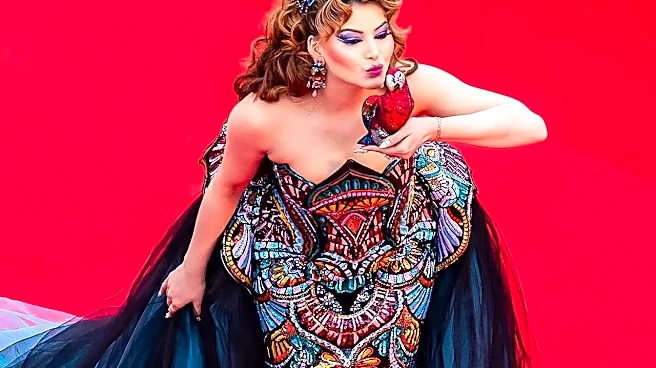

More Than Just a Pretty Dress
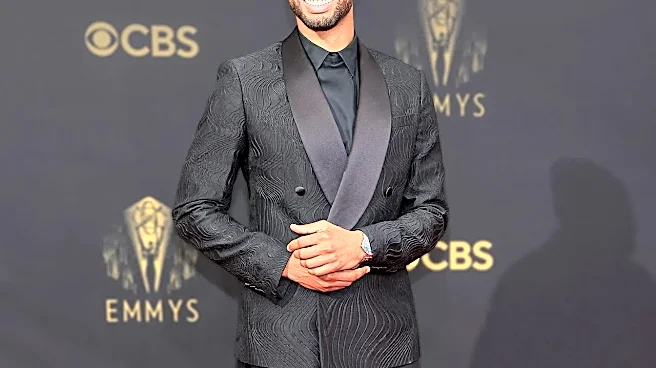
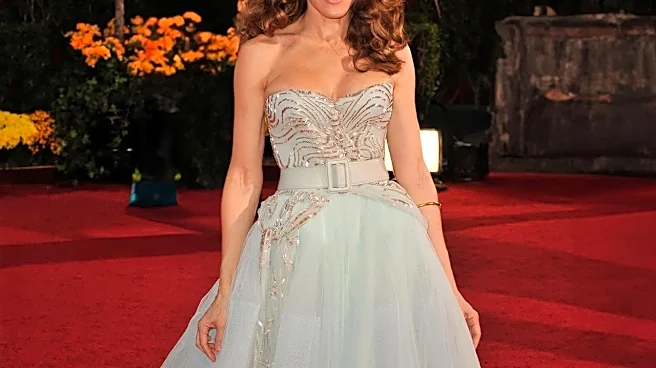
Before a single award is handed out, the red carpet at the Primetime Emmy Awards serves as one of the most influential runways in the world. This year's event was a masterclass in texture and silhouette. We saw an abundance of structured, minimalist gowns
in solid, jewel-toned colors, emphasizing sharp tailoring over flashy prints. Think sleek, floor-length designs in emerald green and sapphire blue that focused on the cut and quality of the material. There were also shimmering metallic slip dresses and gowns with subtle textured finishes, like those worn by Leslie Bibb and Kaitlin Olson. These choices aren't random; they are the opening statement in a year-long conversation about what looks and feels modern.
From Screen to Social Feed
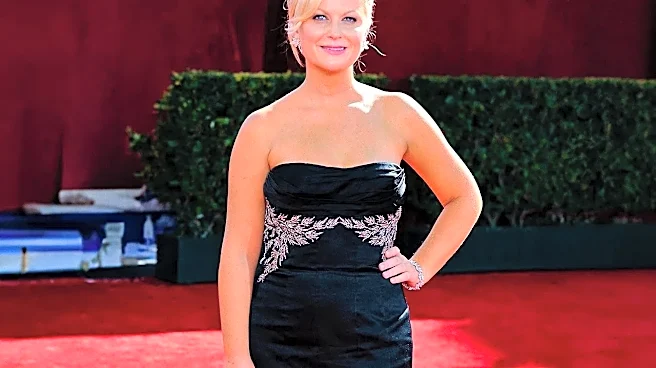
Within minutes, these looks are broadcast globally, but their influence truly ignites in the hours and days that follow. Fashion critics, influencers, and fans dissect every detail online. A photo of a perfectly draped neckline or a figure-skimming crepe gown gets shared millions of times. This is where the education begins. Terminology once confined to design studios—like "asymmetric folded neckline," "bias-cut satin," or "column gown"—enters the mainstream vocabulary. An actress praised for her “timeless Hollywood glamour” in a simple black strapless dress, like Karolina Wydra, reminds the public that fit can be more impactful than ornamentation. We’re not just seeing a dress; we’re learning a new language to describe what makes it special.
The Ready-to-Wear Ripple Effect
Designers of ready-to-wear collections pay close attention. They know a celebrity endorsement, even an unspoken one, can accelerate the adoption of a new trend. The goal isn't to create exact replicas of a custom Oscar de la Renta or Valentino gown. Instead, it’s about capturing the essence of that red carpet moment. The dramatic, hand-pleated silk-chiffon on one star's halter gown might inspire a softer, more wearable pleated top in a department store. A complex, structured shoulder on a couture piece gets simplified into a blazer with a slightly pronounced sleeve head. The core ideas—the fluid drape of a specific satin, the sharp line of a tailored corset, the shimmer of a metallic fabric—are translated for everyday life and budgets.
Why Your Shopping Cart Looks Familiar
Months after the Emmys, you might find yourself shopping and noticing a particular detail. Maybe it’s a dress with a subtle sheen that reminds you of Leslie Bibb’s metallic gold number, or a blouse with a softly draped neckline. This is the final stage of the influence pipeline. The red carpet didn’t just launch a trend; it primed your eye to recognize and appreciate it. You notice the way a fabric hangs or how a specific cut creates a flattering silhouette because you’ve already seen its most elevated form. The Emmys red carpet acts as a large-scale calibration of our aesthetic tastes, making us more discerning shoppers who are suddenly, and often unconsciously, looking for better fabric and a more perfect fit.