



The Unspoken Rules of Centre Court
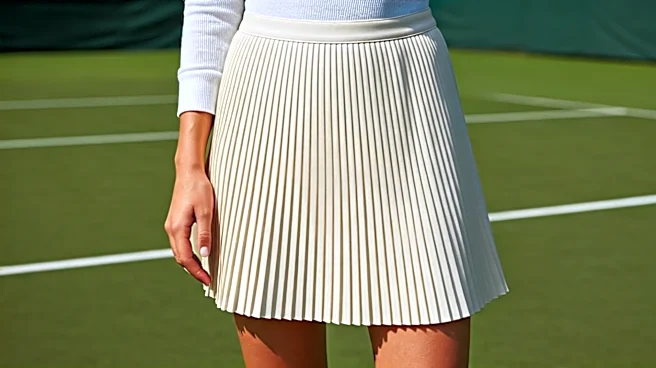
While the all-white rule is officially for players only, a powerful sartorial suggestion hangs in the air for spectators. The vibe is less a strict mandate and more a collective understanding: this is a summer garden party, and you dress accordingly.
Think smart casual, but elevated. Ripped jeans and flip-flops are out; linen dresses, tailored separates, and a general sense of polish are in. This isn't the U.S. Open, where athleisure might get a pass. Here, tradition reigns, creating a unique backdrop where personal style choices—even subtle ones—speak volumes about how one relates to the hallowed grounds of the All England Club.
Camp A: The Low-Profile Canvas Classic
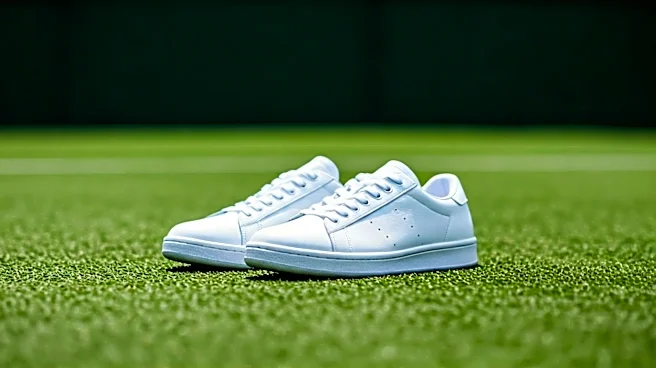
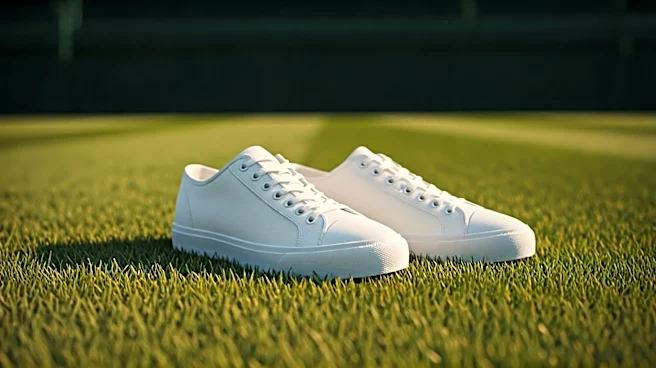
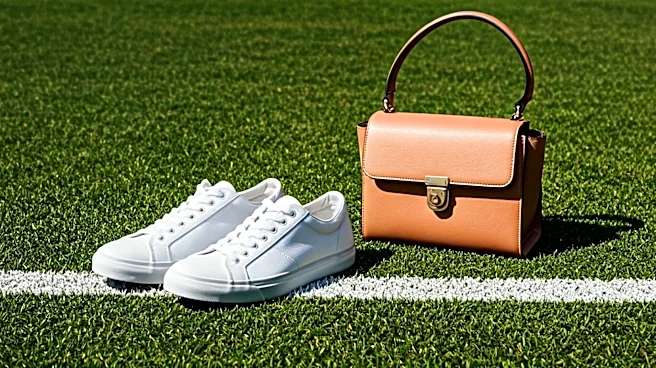
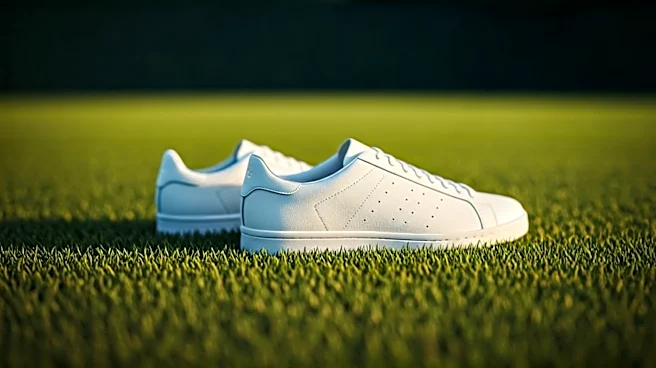
This look is pure, unadulterated heritage. It’s a style rooted in an Anglo-American, almost preppy sensibility that feels right at home courtside. The cornerstone of this aesthetic is the humble canvas sneaker—think a classic Superga or a well-loved Converse. It’s a shoe that says “I didn’t try too hard,” even if you absolutely did. The rest of the outfit follows suit: a breezy linen dress, wide-leg trousers with a simple tee, or perhaps a pair of tailored shorts. It’s comfortable, timeless, and quietly confident. This approach doesn't fight Wimbledon tradition; it embraces it, suggesting an effortless familiarity with the Pimm’s-and-strawberries scene. The goal isn't to stand out with loudness but to blend in with impeccable, understated taste.
Camp B: The Parisian Minimalist Edit
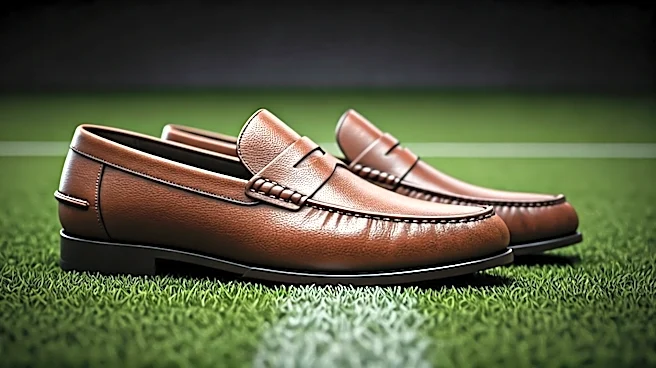
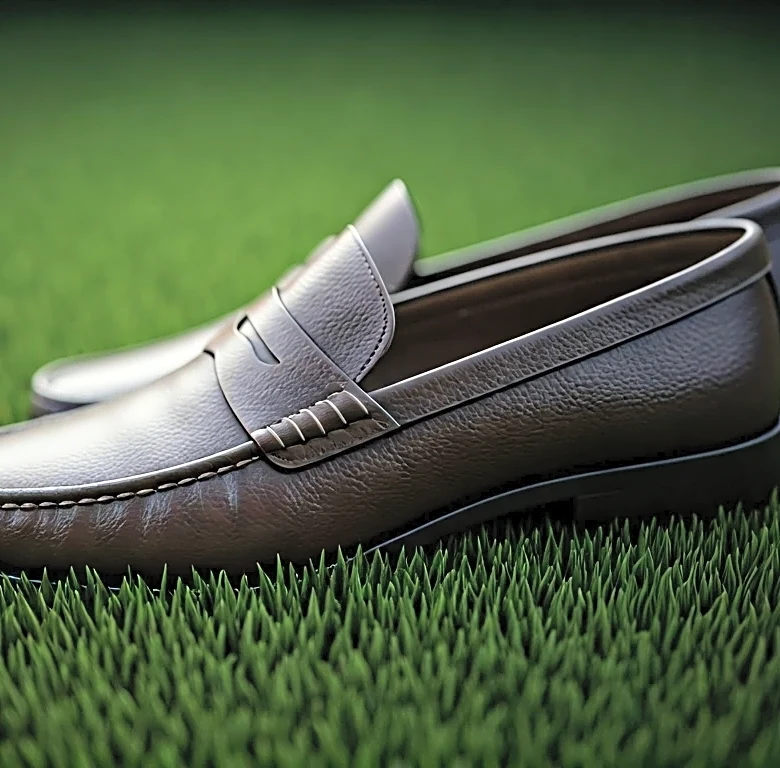
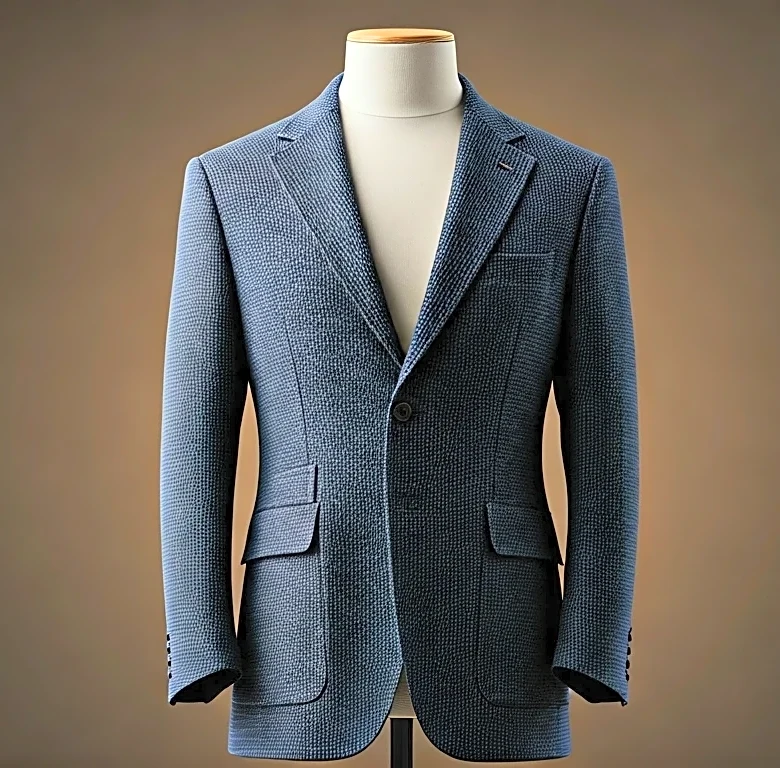
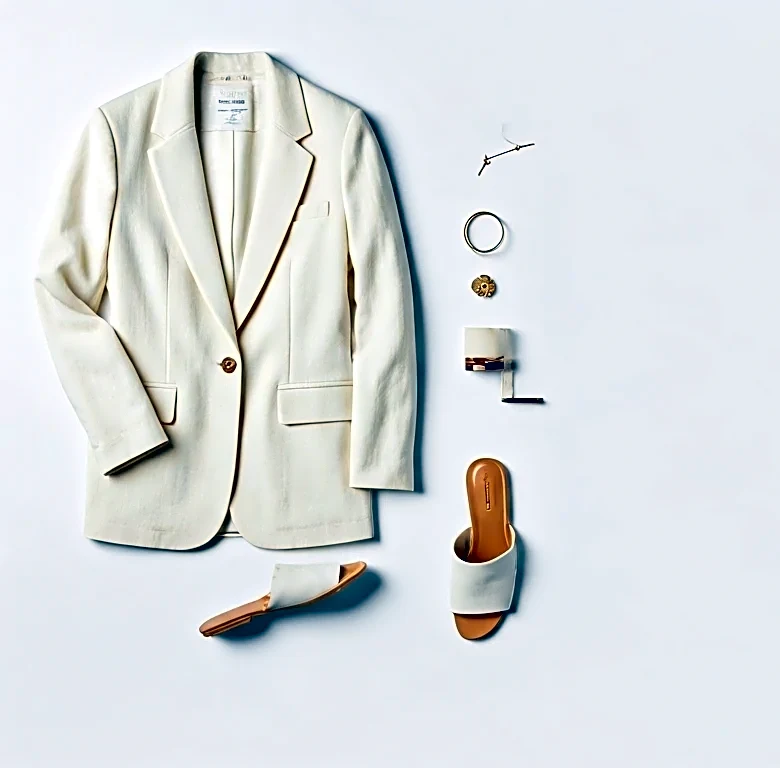
The second camp brings a different kind of chic to the stands. This is Parisian minimalism, an aesthetic built on structure, quality, and a certain nonchalant sophistication. It’s less about the specific event and more about a personal uniform adapted for the occasion. Where the canvas classic is soft and relaxed, the Parisian edit is sharp and intentional. You’ll see a perfectly cut blazer over a silk camisole, wide-leg trousers that fall just so, or a simple slip dress in a luxurious fabric. The footwear is likely a sleek leather sandal, a sophisticated loafer, or a low block heel—never a chunky or overtly athletic shoe. Accessories are minimal but high-impact: a structured handbag, a pair of oversized sunglasses, and perhaps a single piece of gold jewelry. This look interprets Wimbledon’s dress code as a creative challenge, filtering it through an urban, gallery-girl lens.
It’s All in the Details
The headline gets it right: the true difference is the styling. A simple white cotton dress can belong to either camp depending entirely on its execution. Paired with canvas sneakers, a woven straw tote, and natural, breezy hair, it's a classic Wimbledon look. But style that same dress with sharp slingbacks, a structured leather bag, a tailored blazer thrown over the shoulders, and a sleek chignon, and it suddenly becomes a statement of Parisian chic. The first says, “I’m here for the tennis and the tradition.” The second says, “I am the event.” It highlights a fundamental split in fashion philosophy: one that prioritizes blending into a specific cultural context, and another that brings its own context wherever it goes. Recent celebrity appearances have showcased both, with some leaning into classic all-white looks while others experiment with tailoring and bolder shapes, signaling that personal style is winning out over rigid conformity.