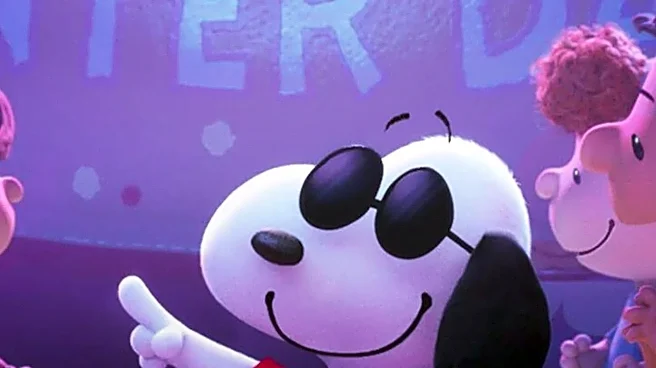







Every year, as families gather for Thanksgiving, many tune into a TV classic where things are a bit different. In 'A Charlie Brown Thanksgiving', there isn't a single adult in sight, leaving a group of kids to orchestrate the entire holiday.
A Holiday Hijacked by Children
The plot of
the 1973 special kicks off with a familiar dose of social anxiety for our hero, Charlie Brown. He's planning to go to his grandmother's for a traditional feast when Peppermint Patty calls and invites herself, along with Marcie and Franklin, over to his house for Thanksgiving dinner. Trapped by his own inability to say no, Charlie Brown is suddenly on the hook to host a dinner he can't possibly cook. In a normal world, a parent would step in to either help or shut the whole thing down. But this is the Peanuts universe, a world conspicuously free of adult intervention. The problem isn't handed off to a grown-up; it lands squarely on the shoulders of Charlie Brown, his dog Snoopy, and his best friend Linus.
An Unconventional Feast
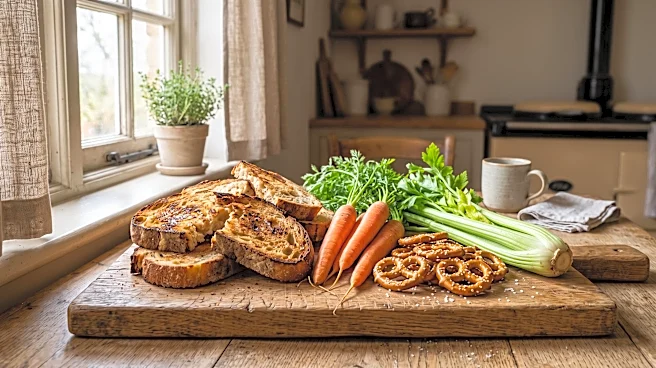
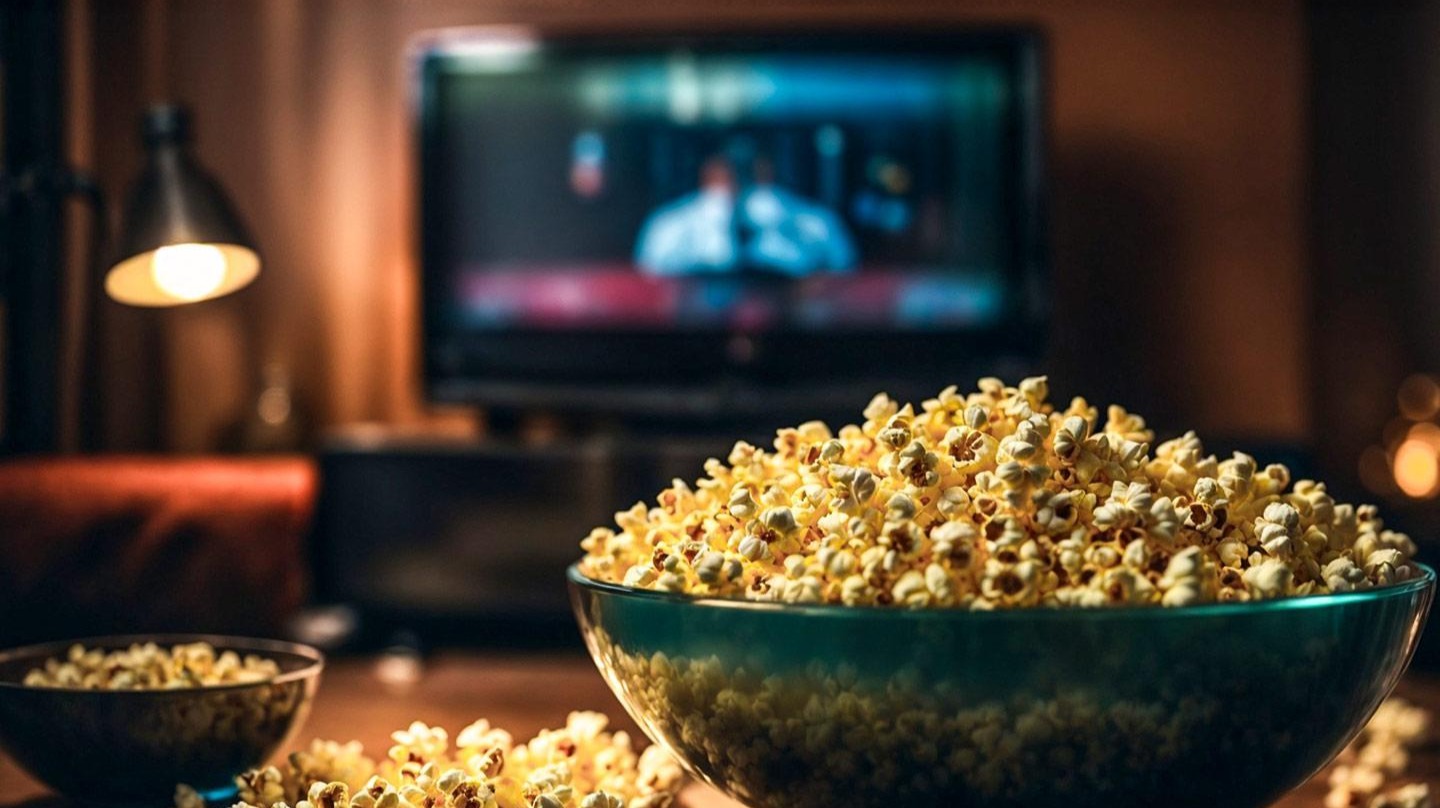
With the clock ticking, the 'kids' do what kids do: they improvise. Snoopy, ever the master of invention, dons a chef's hat and, with Woodstock's help, prepares a meal that has become legendary in its own right. On the menu is buttered toast, pretzel sticks, popcorn, and a handful of jelly beans, all served on a ping-pong table in the backyard. It’s a meal that is both a hilarious sight gag and a perfect symbol of childhood resourcefulness. They don't know how to make a turkey, so they make what they know. This moment is central to the special's charm; it shows characters taking charge and making the best of a situation with the limited tools and knowledge available to them, a core theme of the story.
Conflict, Crisis, and Commentary
Of course, this kid-run affair doesn't go off without a hitch. Peppermint Patty, expecting a 'real' Thanksgiving, is outraged. 'Where's the turkey, Chuck?' she demands, shaming Charlie Brown for the unconventional spread. The ensuing conflict isn't resolved by a parental time-out. Instead, the kids have to navigate the social fallout themselves. It's the gentle Marcie who reminds Peppermint Patty that she was an uninvited guest and should be grateful. This moment of peer-to-peer accountability is followed by Linus's historical monologue about the first Thanksgiving, which reframes the day around togetherness, not just food. The kids create the problem, they experience the conflict, and ultimately, they find the resolution. The entire emotional arc of the holiday rests on their shoulders.
The World According to Schulz
This adult-free environment wasn't an accident; it was a deliberate choice by Peanuts creator Charles M. Schulz. He believed that adults would 'intrude in a world where they could only be uncomfortable'. For Schulz, the Peanuts strip was a microcosm of society seen through the eyes of children. By removing the parents, he gave the kids space to grapple with complex, adult-sized emotions like anxiety, responsibility, and existential dread. The famous 'wah-wah' trombone sound used for teachers' voices in the animated specials was a way to keep adults present but ultimately unintelligible, maintaining the focus squarely on the children's perspective. Adults would, in Schulz's words, 'bring everything back to reality. And it just spoils it'. The kids run everything because, in their world, they are the only ones who can.