
The People’s Choice Proving Ground
Forget the high-minded juries of Cannes. TIFF’s most coveted prize, the People’s Choice Award, is voted on by the public, and its track record is uncanny. It’s the single greatest predictor of a future
Best Picture nomination, with past winners like “Green Book” and “Nomadland” going all the way. This year, the race is already heating up. “Being Heumann,” a triumphant drama about disability rights activist Judy Heumann from “CODA” director Siân Heder, earned a massive response and is a clear crowd-pleaser. Another film charming audiences is “I Play Rocky,” a feel-good story about the making of the 1976 classic. While it might not have the critical heft of other contenders, its ability to win over a large public audience is exactly what the People’s Choice Award was designed to measure. A win here doesn’t guarantee an Oscar, but it makes a film impossible to ignore.
The Audience vs. Critic Divide
Some films arrive in Toronto decorated with rave reviews from other festivals, only to wither under the gaze of a real audience. TIFF is where the intellectual admiration of critics meets the emotional reaction of ticket-buyers. A film needs both to survive the six-month awards marathon. Take a film like Zack Snyder’s “The Last Photograph,” which premiered to a brutal critical reception, with many calling it one of the worst films of the festival. Conversely, a crowd-pleaser like “I Play Rocky” has received a rapturous audience response, but critics are more measured, with its Metacritic score hovering in the 60s. The sweet spot is a film like Jesse Eisenberg’s “The Debut,” which seems to be connecting with both critics and audiences, building momentum after a strong start at Telluride. It’s this combination of critical respect and genuine audience affection that forges a true contender.
Where Breakout Stars Are Born
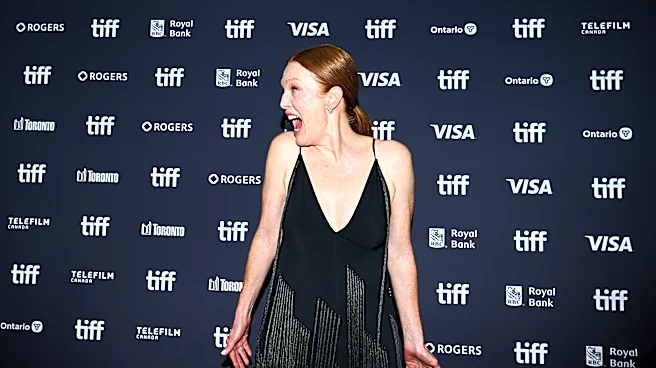
Often, the biggest story out of TIFF isn’t a film, but a performance. The festival is a powerful launchpad for actors who can rocket into the Oscar conversation overnight. This year is packed with contenders. Julianne Moore is earning raves for her role in “The Debut,” while Andrew Scott in “Elsinore” and Mahershala Ali in the action-thriller “Your Mother Your Mother Your Mother” are also generating significant awards chatter. But the real excitement often comes from a lesser-known actor having a major moment. Ruth Madeley is being hailed for her breakout performance as the lead in “Being Heumann,” and Rosalind Eleazar is rumored to be a standout in the ensemble of “Misty Green.” These performances create their own gravity, sometimes carrying a smaller film right into the heart of the awards race. It’s a reminder that even in a crowded field, a single undeniable performance can change everything.
The Long-Distance Endurance Test
Peaking at TIFF can be a curse. The festival happens so early in the season that a film can generate incredible buzz, only to be forgotten by the time voters cast their ballots months later. The key is separating the sprint from the marathon. The films that tend to last are not always the flashiest, but those with deep emotional cores or undeniable craftsmanship. Mike Leigh’s quiet, masterful “Tender Loving Care,” for instance, is a critical darling that could play well with the more discerning voters in the long run. Meanwhile, some of the buzziest titles from other festivals, like the mysterious Elizabeth Holmes documentary “You Can See Everything” that played at Telluride, are notable for their absence, proving that maintaining momentum is as important as generating it. The films leaving Toronto with the most strength aren’t just the ones people are talking about now, but the ones they’ll still want to be talking about in January.