





Lesson 1: 'Quiet Luxury' Needs a Personality
The 'quiet luxury' or 'stealth wealth' trend—think high-quality, logo-free basics—has dominated retail for the past year. But London's runways show the next evolution of this concept. Designers like JW Anderson and Erdem demonstrated that subtlety doesn't
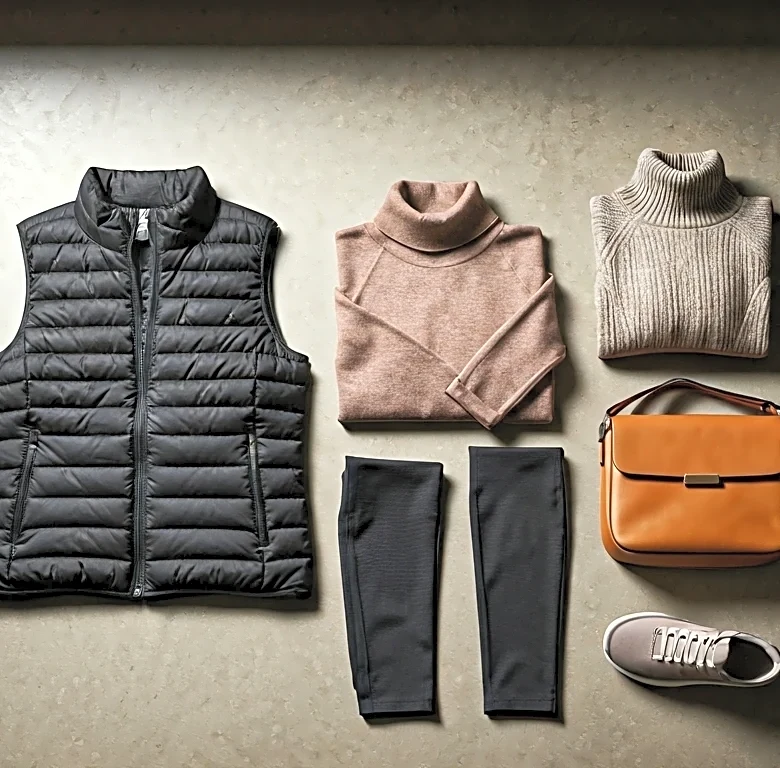
have to be boring. They infused minimalist silhouettes with unexpected textures, eccentric details, and artisanal touches. For a U.S. retailer, the lesson is clear: the customer who bought the perfect, plain cashmere sweater last season is now looking for one with a slightly off-kilter neckline or an interesting knit pattern. The strategy shifts from simply selling quality to selling 'quality with character.' It’s about offering pieces that whisper expense but also tell a unique story, giving the discerning buyer a reason to update their already well-stocked wardrobe.
Lesson 2: The Runway is a Content Farm
In the past, a fashion show's audience was the few hundred people in the room. Today, it's the millions watching on TikTok, Instagram, and YouTube. London designers, particularly the younger, more digitally native cohort, treat the show not as the final product, but as the raw material for a six-month marketing campaign. They are masters of creating 'moments'—a dramatic piece of outerwear, a surprising celebrity on the runway, or an unusual set design—engineered to be clipped, shared, and debated online. For luxury retailers in the States, this is a direct feed of what aesthetics and ideas are resonating with the public. They monitor which looks go viral, informing not only what they buy, but how they market it. That viral trench coat from the runway becomes the hero image in their next email blast and the centerpiece of their SoHo store display.
Lesson 3: Sustainability Is a Feature, Not a Footnote
For years, sustainability in fashion was a vague promise printed on a hangtag. London Fashion Week signals a major shift: eco-consciousness is now a visible design element. We're seeing more collections built around upcycled fabrics, natural dyes, and 'reimagined' archival pieces. Brands are proudly showcasing patchwork designs and mended textiles not as a compromise, but as a mark of high craft. U.S. luxury retailers learn that their customers, especially younger ones, want to see and feel this commitment. It's not enough to have a 'sustainable' section on the website anymore. The lesson is to train sales associates to speak fluently about a garment's low-impact materials or circular design. Merchandisers are learning to highlight these 'crafted with care' pieces as the most desirable items in a collection, transforming ethical production from a corporate responsibility into a powerful selling point.
Lesson 4: Heritage Is the New Hype
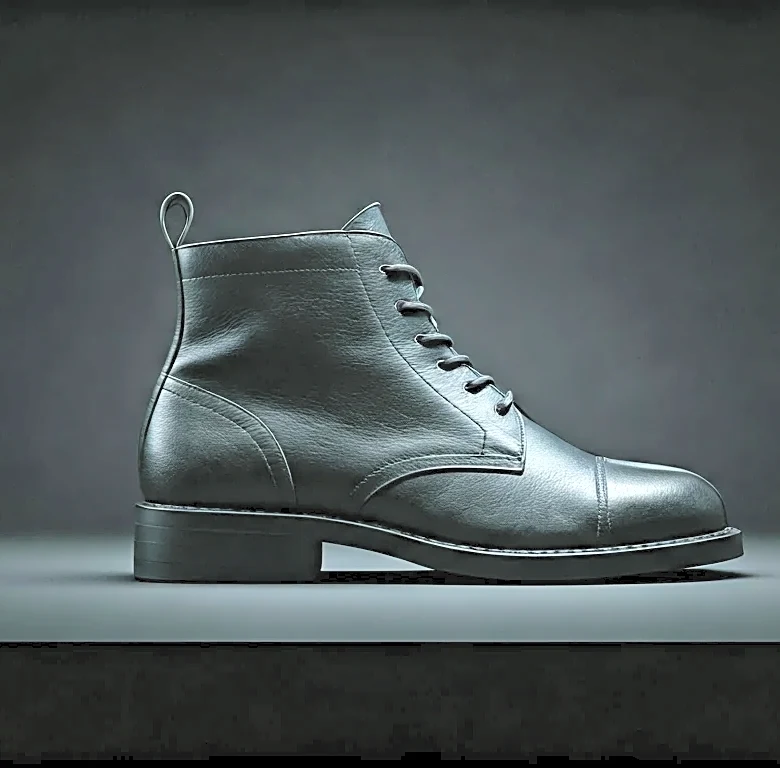
While fashion is always about what's next, London's most successful shows often look back. Brands like Burberry masterfully dip into their archives, reissuing classic patterns and silhouettes with a modern sensibility. This isn't just lazy nostalgia; it’s a powerful commercial strategy. In an uncertain world, consumers gravitate toward things with history, stability, and proven value. For a luxury department store, the takeaway is to balance the hype of new, edgy designers with the reliable appeal of heritage brands. It reinforces the idea that a luxury purchase is an investment, not a fleeting trend. Retailers learn to merchandise these archival-inspired pieces as 'future classics,' framing them as a wise purchase that connects the buyer to a long and storied brand legacy. It’s selling stability in a world obsessed with ephemeral novelty.