



1. The Shortcut: Dylan Going Electric Was a Betrayal of Folk
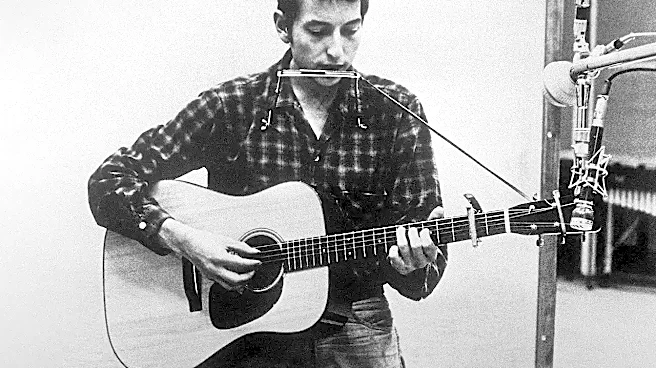
The story is iconic: Bob Dylan plugged in his Fender Stratocaster in 1965, the crowd booed, and folk purity died. The reality is far messier. Many accounts suggest the audience's anger stemmed from poor sound quality that drowned out Dylan's vocals, or the surprising
brevity of his set. Furthermore, Dylan had already released an electric-tinged album, and his hit “Like a Rolling Stone” was on the radio. The moment was less a simple betrayal and more a flashpoint in a larger cultural debate about art, commercialism, and what it meant to be a “folk” artist.
2. The Shortcut: It Was Always a Purely 'Folk' Festival
From its very first iteration in 1959, Newport's definition of "folk" was expansive. The founders aimed to showcase the full diversity of American music, from rural traditions to popular styles. Early festivals featured blues artists like Howlin' Wolf and country stars like Johnny Cash alongside traditional folk singers. In recent years, this tradition has only accelerated, with the festival embracing everything from indie rock and R&B to hip-hop, redefining folk not as a genre, but as an ethos of storytelling and community.
3. The Shortcut: It Kicked Off the 1960s Folk Revival
While Newport became a crucial amplifier for the folk revival, it didn't start the fire. A growing movement was already taking place in coffeehouses and on college campuses. Founder George Wein noticed the success of folk artists at his Newport Jazz Festival and created the folk-specific event to capitalize on this rising tide. The festival’s great contribution was providing a national stage, turning regional favorites and unknown talents into stars and cementing the movement in the national consciousness.
4. The Shortcut: Newport Was an Uninterrupted Institution
The festival's history is not a continuous line. It has faced significant existential threats. After a decade of success, financial difficulties and local controversies surrounding the sister Newport Jazz Festival led to the event's cancellation after 1969. The Newport Folk Festival lay dormant for 15 years before being revived in 1985. Since then, it has weathered other financial storms, at times relying on corporate sponsorship before returning to its nonprofit roots via the Newport Festivals Foundation to ensure its survival.
5. The Shortcut: Pete Seeger Was Just a Gentle Musical Guide
Pete Seeger, a founder and guiding spirit of the festival, is often remembered as a kindly, banjo-strumming grandfather figure. But he was a deeply committed and sometimes controversial political activist whose worldview was foundational to the festival's identity. A long-time leftist who was blacklisted during the McCarthy era, Seeger saw music as a tool for social change. This activist spirit infused Newport from the start, making it a key platform for the Civil Rights and anti-war movements.
6. The Shortcut: Joan Baez Was 'Discovered' There
The story of an unknown 18-year-old Joan Baez taking the stage in 1959 as a surprise guest of Bob Gibson and stunning the crowd is legendary. And while her performance was a career-making moment that launched her to national fame, she was not a complete unknown. Baez was already a recognized figure in the burgeoning folk scene in Cambridge, Massachusetts. Newport provided the massive platform that propelled her from a local phenom to the “queen of folk.”
7. The Shortcut: It's All About 1960s Nostalgia
While its history is revered, the modern Newport Folk Festival is far from a museum piece. Today, the festival is a vital force in contemporary music, known for launching new artists and fostering surprise, once-in-a-lifetime collaborations. The recent era, heavily influenced by curator Brandi Carlile, has produced its own iconic moments, from Dolly Parton's surprise appearance with The Highwomen to the emotional, triumphant return of Joni Mitchell to the stage in 2022 after a long absence.
8. The Shortcut: Protest Songs Were the Only Thing That Mattered
The festival is rightly celebrated for its role in the protest movements of the 1960s, popularizing anthems like "We Shall Overcome." However, its musical mission was always broader. From the beginning, organizers showcased a wide range of material, including traditional ballads, love songs, blues, and gospel music that weren't overtly political. The goal was to celebrate the entirety of American folk traditions, not just the music of social commentary.
9. The Shortcut: The Audience Was One Big, Unified Family
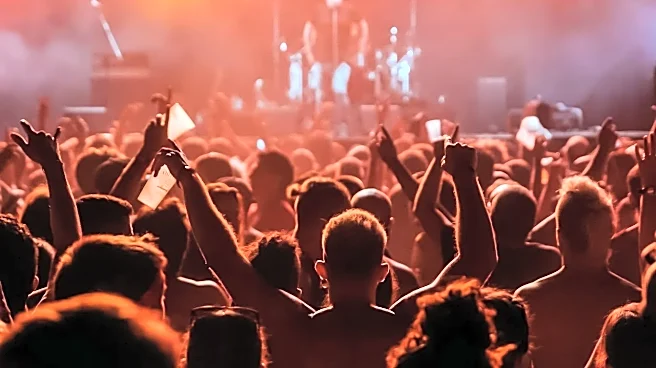
The idea of a unified folk community is a powerful part of the Newport myth. But the audience, like the folk movement itself, has always been home to passionate disagreements. The controversy over Dylan's electric set is the most famous example of a fractured audience, with cheers and boos echoing through the crowd. This tension—between tradition and innovation, acoustic and electric, purism and commercialism—has been a constant, dynamic force throughout the festival's history, driving its evolution.