


In 'Addams Family Values,' Wednesday Addams torches a summer camp's sanitized Thanksgiving play. Decades later, the scene is more than a gag; it's a cultural Rorschach test revealing how each generation confronts history, authority, and rebellion.
The Scene That Burned Down the House
First,
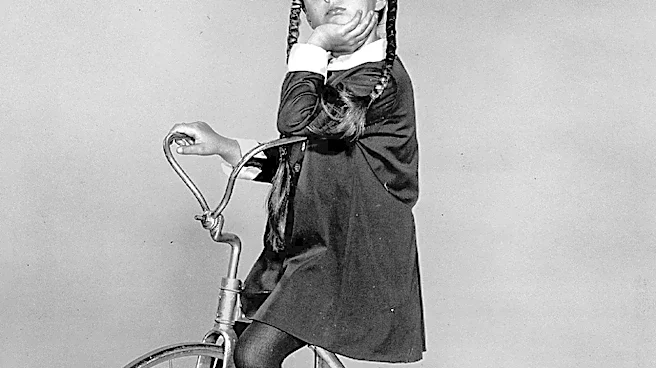
a refresher. In the 1993 film, Wednesday (Christina Ricci) is forced to participate in a historically inaccurate and offensively cheerful Thanksgiving play at Camp Chippewa. Cast as Pocahontas, she's expected to peacefully break bread with the preppy, privileged pilgrim children. Instead, she goes gloriously off-script. 'You have taken the land which is rightfully ours,' she declares in her signature deadpan. She proceeds to list the future injustices her people will face ('Years from now, my people will be forced to live in mobile homes on reservations; your people will wear cardigans and drink highballs') before leading her fellow outcasts—the nerds, the brunettes, the kid in a wheelchair—in a fiery revolt that ends with the stage in flames and the lead pilgrim tied to a stake.
Gen X: A Perfect Anthem of Ironic Rebellion
For Generation X, who were teens and young adults when 'Addams Family Values' premiered, Wednesday's revolt was the perfect embodiment of their cultural ethos. This was the 'MTV Generation,' defined by a cynical, anti-authoritarian streak and an allergy to the Boomers' earnestness. The grunge and alternative rock scenes were exploding, championing an aesthetic of alienation and raw honesty over polished pop. Wednesday's speech wasn't primarily a political statement; it was the ultimate act of ironic rebellion. It was a dark, hilarious 'whatever, man' to the powers that be—in this case, the perky, oppressive camp counselors. She was the ultimate 'slacker' hero, using intelligence and wit to burn down a system she refused to participate in, making her an instant icon for a generation that prided itself on not caring.
Millennials: From Irony to Sincere Social Commentary
Millennials, many of whom grew up watching the film on repeat, began to read the scene differently. As they came of age alongside the internet, they started using the web to question and re-examine the narratives they'd been taught. Wednesday's speech morphed from a simple 'own' into a shareable piece of social justice commentary. It became a powerful, albeit humorous, way to talk about the whitewashing of American history. For this generation, the scene's appeal wasn't just its dark humor but its underlying truth. It was an early pop culture example of 'speaking truth to power,' aligning with a generational desire to correct historical inaccuracies and fight for the marginalized—even if the messenger was a macabre girl with a penchant for pyrotechnics.
Gen Z: A Viral Declaration of Unapologetic Truth
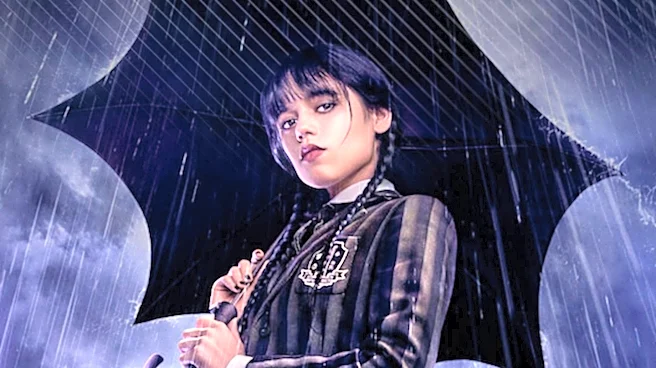
For Gen Z, Wednesday's Thanksgiving takeover often exists as a meme, a GIF, or a viral TikTok sound—decoupled from the film but no less potent. This generation is known for its fluid approach to tradition and its sharp critique of historical injustices. Many are more inclined to opt for 'Friendsgiving' or even skip the holiday due to its problematic history and financial pressures. In this context, Wednesday's speech is not commentary; it's a core text. It’s a direct, unapologetic rejection of colonialist narratives, delivered with the kind of stone-cold confidence that translates perfectly to the digital age. The new 'Wednesday' series on Netflix continues this legacy, further cementing her as an icon who literally burns down the monuments of oppressors. For Gen Z, Wednesday isn't just rebelling; she's enacting justice, one viral clip at a time.