







From Hockey Rinks to Film Palaces
Telluride, a town with only three permanent theaters, needs more screens to host one of the world's most prestigious film festivals. Instead of settling for makeshift solutions, the festival undertakes an annual architectural miracle: it builds its own.
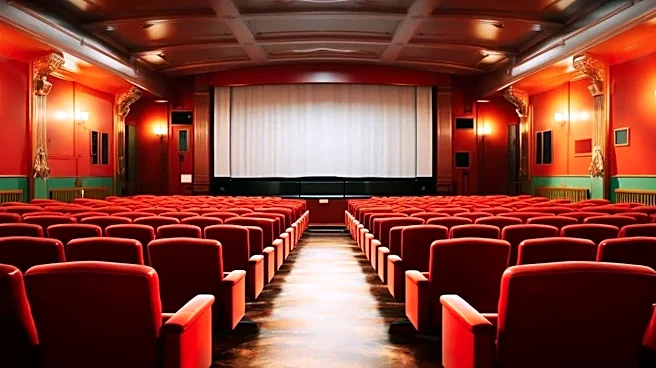
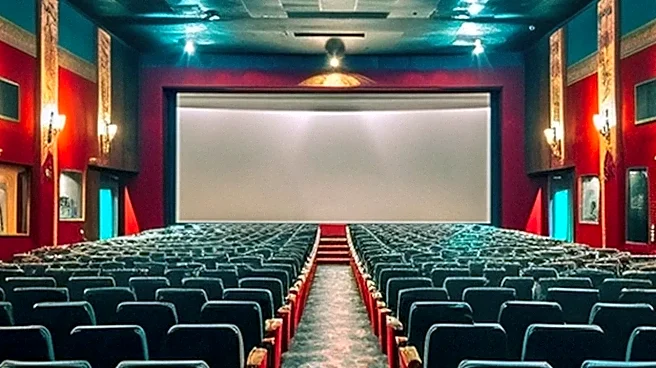
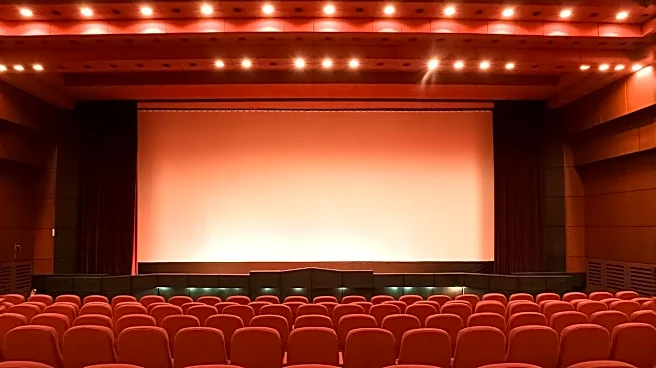
Over seven temporary venues are constructed, each with a unique character. The 650-seat Werner Herzog Theatre, one of the festival's premier venues, rises from the concrete floor of a municipal ice hockey rink. A middle school gymnasium becomes the 500-seat Galaxy Theatre. The Mountain Village Conference Center hosts the Chuck Jones Cinema, and even the local Masonic Hall is converted into an intimate art house. These aren't just rooms with projectors; they are meticulously designed, state-of-the-art cinemas, built to disappear as quickly as they came.
The Obsession with a Perfect 'Show'
The logistical effort is immense. Teams descend on Telluride weeks in advance to begin the transformation. The festival’s long-standing partnership with audio leader Meyer Sound is central to this process. Technicians install complex 7.1 surround sound systems, with dozens of speakers and subwoofers precisely calibrated for the unconventional acoustics of a hockey rink or a gym. The goal, according to festival director Julie Huntsinger, is to provide "impeccable presentation in the most unlikely of places." This fanatical attention to detail stems from the festival's core philosophy, inspired by a simple sign on the historic Sheridan Opera House that reads: "SHOW." For the organizers, this is a direct command to control every aspect of the viewing experience, ensuring that every film is presented exactly as the filmmaker intended, without compromise.
The Philosophy of Impermanence
Why go to such extraordinary lengths? Because Telluride is selling more than just movies; it's selling an experience. By building its own venues, the festival asserts that the context in which you see a film is as important as the film itself. It's a rejection of the diluted, distracted environment of modern moviegoing. In an age where most content is consumed on phones and laptops, Telluride creates a sacred space for cinema. The temporary nature of the theaters adds another layer to this. For four days, these ephemeral temples of film exist, creating a palpable sense of scarcity and occasion. You are not just watching a movie; you are participating in a communal event that is fleeting and special, a shared secret in the high altitude of the San Juan Mountains.
A Lesson for the Future of Film
Herein lies the lesson for the broader exhibition industry, which is grappling with its own existential questions in the streaming era. Telluride’s model demonstrates a powerful path forward: creating curated, high-value, event-based experiences that cannot be replicated at home. While most multiplexes can't build a new theater for every big release, they can learn from the principle. The festival proves that audiences will pay a premium—both in dollars and effort—for an environment that respects the art form and fosters a sense of community. Telluride's pop-up palaces are a case study in turning a logistical necessity into a core part of a brand's identity, transforming the simple act of watching a movie into an unforgettable pilgrimage. It’s a reminder that in a world of infinite choice, the most valuable commodity is an experience that feels finite and essential.