



The Myth of the Flawless Spectator
Scroll through images of Wimbledon and a specific aesthetic emerges: a sea of pristine summer dresses, sharp linen suits, and elegant wedge heels. It’s a vision of a perfect English garden party, meticulously curated for the social media age. In this
popular narrative, the loafer seems like a curious, almost clumsy, intruder. It lacks the overt elegance of a strappy sandal or the summery lightness of an espadrille. For many, it reads as too heavy, too academic, or simply too ‘un-special’ for an occasion that feels so grand. This is the central misunderstanding—viewing Wimbledon style through a filter of aspirational perfection rather than as a living, breathing tradition with its own sartorial codes. The belief is that to be well-dressed here is to be flawless, but the truly exacting dresser knows the secret is something else entirely.
Rewind to the Early-2000s Courtside
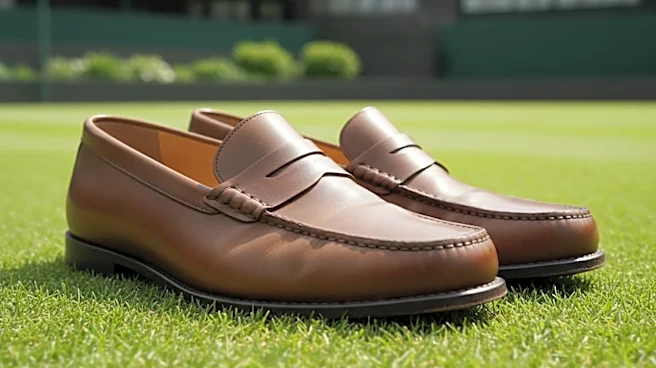
To understand the loafer’s role, we have to look back, specifically to the early 2000s. This was a transitional era for style at The Championships. It was pre-influencer but post-Diana’s iconic '90s looks. Celebrities and royals still flocked to Centre Court, but the aesthetic was less about polished photo-ops and more about a certain kind of moneyed, transatlantic ease. Ralph Lauren, the official outfitter, solidified a preppy, heritage-infused look that still defines the event. It was here, in this archival sweet spot, that the loafer thrived. Think less of the chunky, platform styles of today and more of the classic driving moccasin, the sleek suede loafer, or the timeless penny loafer, often paired with chinos or a simple dress. The style wasn't about being on-trend; it was about telegraphing a relaxed, insider status that had more in common with the ‘Sloane Ranger’ handbook than high fashion.
The Loafer’s Real Job: Comfort and Code
What the early-2000s archive reveals is that the loafer’s primary job at Wimbledon isn’t to be the star of the outfit—it's to be the foundation of a long, comfortable, and stylish day. Wimbledon is a sprawling venue requiring a surprising amount of walking on varied surfaces, from concrete to the famous grass. Stilettos are a well-known rookie mistake, as they sink into the lawns. The loafer, by contrast, is eminently practical. It’s a stylish, comfortable shoe that signals you know what you’re in for. It says, “I’ve been here before. I know there’s walking involved, and I’m prepared.” Wearing loafers is a subtle code. It separates the seasoned visitor from the first-timer trying to make a splash. It’s a footwear choice that prioritizes enduring the day in comfort and style over making a fleeting, and often impractical, fashion statement.
Who Are the ‘Most Exacting Dressers’?
The headline’s “most exacting dressers” aren't necessarily the ones in the Royal Box, who must adhere to a strict suit-and-tie mandate. Nor are they the celebrities in borrowed, head-to-toe designer looks. Instead, they are the spectators who master the unwritten smart-casual dress code with an air of effortlessness. These are the people who understand that true Wimbledon style is a blend of tradition, practicality, and personal taste. For them, the loafer is an essential tool. A man in a linen blazer, smart chinos, and well-loved suede loafers fits in perfectly. A woman might pair them with tailored trousers or even a midi dress for a look that is both chic and ready for a full day of spectating. This is the style of those who are there for the tennis first and the scene second—even if they look impeccably at home in both.