


More Than Just a Red Carpet
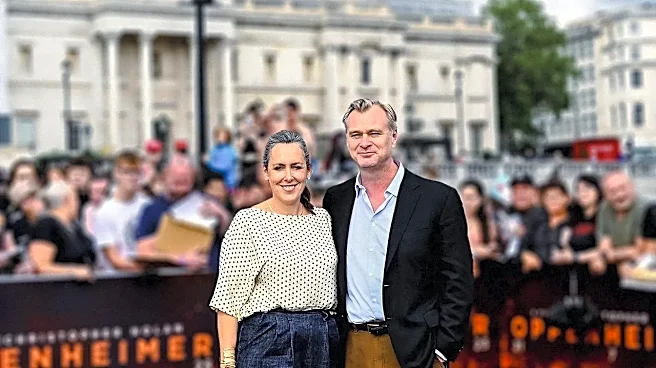
To most, a film festival is a flurry of red carpets and celebrity photo ops. While that’s part of it, the BFI London Film Festival (LFF) is fundamentally a public-facing event designed to bring exciting world cinema to UK audiences. Held every October,
it screens hundreds of features, shorts, and documentaries from around the globe, many of which might not otherwise get a British theatrical run. But its true power lies in its role as a curator and a launchpad. In a crowded marketplace, a film's selection for LFF is the first signal that it’s something special. The festival provides a crucial platform where art meets industry, setting the stage for a film's future success.
The Power of a Curated Platform
The LFF isn't just a random collection of movies; it’s a meticulously programmed event. To help audiences navigate the vast selection, films are organized into thematic strands like 'Love', 'Debate', 'Dare', and 'Thrill'. This structure gives viewers a roadmap, but the real hierarchy comes from a film's placement. A coveted Gala screening at the Royal Festival Hall sends a clear message: this is a major film. The 2026 festival, for instance, opened with 'Elsinore', a drama starring Andrew Scott, instantly marking it as a film of significance. This strategic placement generates immediate media attention and tells distributors and audiences alike which titles to watch. A world premiere at the festival can create an unparalleled level of buzz.
Creating the Story Behind the Film
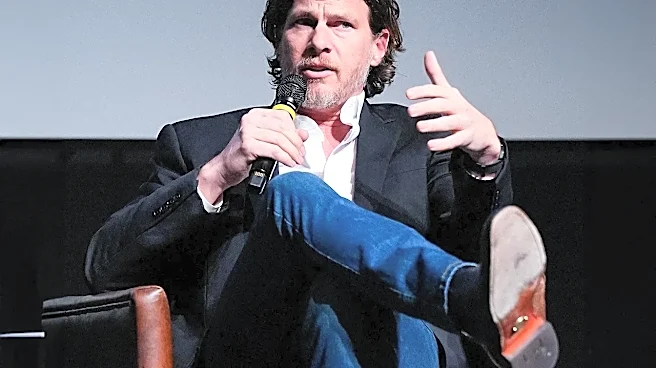
A festival screening is where a film’s narrative truly begins to form. It’s about more than just watching the movie; it’s about the context created around it. Post-screening Q&As with directors and actors, industry panels, and 'Screen Talks' with major talents like Danny Boyle and Ava DuVernay provide invaluable insight. These events give journalists compelling angles and talking points that go beyond a simple review. They build a story around the film, its creators, and its themes. For industry professionals, a parallel Industry Forum offers a space to discuss financing, distribution, and the future of cinema, making London an essential meeting ground. This convergence of public enthusiasm and industry strategy is where a film's reputation is built.
The Ripple Effect: From London to a Global Audience
The impact of a successful run at LFF reverberates long after the festival ends. Positive reviews from the international press, audience awards, and strong word-of-mouth can be transformative. This buzz helps secure distribution deals, not just in the UK but in the U.S. and beyond. For example, a film like the Spanish-language 'La Bola Negra' used its rapturous reception at European festivals to build momentum for an Oscar campaign. The festival also serves as a crucial incubator for talent, with programs like the 'Works-in-Progress Showcase' connecting UK filmmakers with international buyers and programmers, launching careers and ensuring a film finds its audience. A strong showing in London can set the tone for a film’s entire awards season campaign, turning a small, unknown title into a global contender.