


An Enduring Modern Fairy Tale
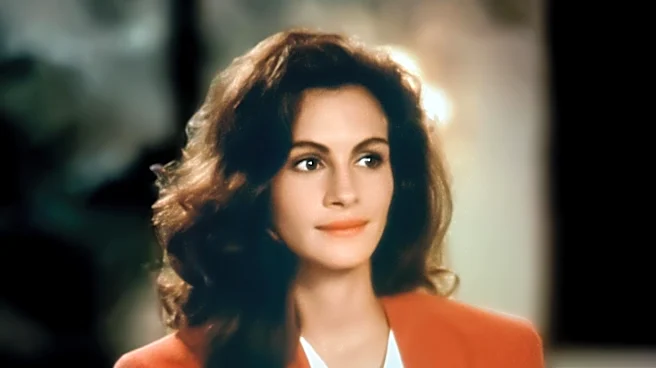
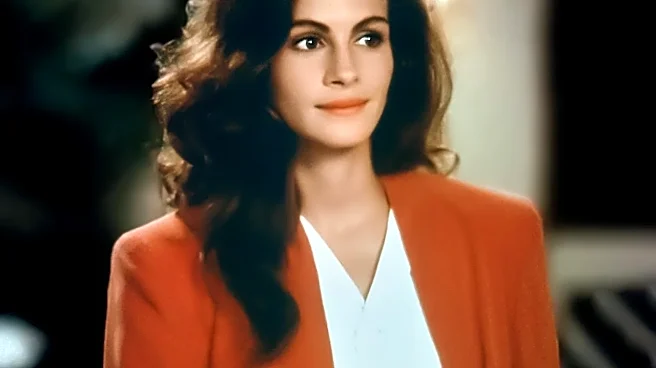
You know the story. A ruthless corporate raider, Edward Lewis (Richard Gere), hires a vivacious Hollywood prostitute, Vivian Ward (Julia Roberts), to be his escort for a week. What begins as a simple business transaction blossoms into one of cinema’s
most beloved and unlikely love stories. It’s a classic rags-to-riches fantasy, complete with a shopping spree montage that launched a thousand imitators and a final scene that satisfies our deepest desires for a happily-ever-after. The film’s charm is so potent that it’s easy to dismiss it as a simple, glossy romance. But director Garry Marshall and writer J.F. Lawton embedded a layer of commentary just beneath the surface, using a trip to the opera to tell us exactly what the movie is really about. And it’s in that scene where the most crucial, and most overlooked, detail resides.
The Opera and Its Obvious Parallel
Midway through the film, Edward whisks Vivian away on a private jet to see Verdi’s opera La Traviata. It’s a pivotal moment. Dressed in a stunning red gown and a borrowed diamond necklace, Vivian is visibly moved to tears by the performance. The parallel here is famously overt: La Traviata translates to “The Fallen Woman” and tells the story of a high-class Parisian courtesan who falls in love with a wealthy young man, only to face society’s judgment. It mirrors Vivian and Edward’s budding romance so perfectly that it feels like the movie is winking at the audience. Vivian even sees herself in the tragic heroine, sensing a sad ending for her own story. Many viewers catch this connection and appreciate the clever nod. But the film’s true insight isn’t in this obvious parallel; it’s in a short, seemingly offhand speech Edward gives just before the opera begins.
The Line Everyone Overlooks
As they settle into their box seats, Edward, acting as Vivian’s cultural guide, explains the nature of her new experience. He says: “People’s reaction to opera the first time they see it is very dramatic. They either love it or they hate it. If they love it, they will always love it. If they don’t, they may learn to appreciate it, but it will never become part of their soul.” This line isn’t about opera. It’s about Vivian. It’s the film’s mission statement, delivered so quietly that most people miss its significance. The speech is a test for Edward and a commentary on class, authenticity, and acceptance. The real question the film poses isn’t whether Vivian can be polished into a society lady; it’s whether Edward’s world, and Edward himself, can accept her for who she already is. The opera is the stand-in for Vivian—a beautiful, passionate, and complex creation that a cynical, transactional world struggles to understand.
Why This Detail Changes Everything
By framing the scene this way, the movie elevates itself from a simple makeover story to a more profound character study. Vivian’s journey isn’t about learning which fork to use; it's about retaining her soul while navigating a world that wants to change her. And Edward’s journey is about learning to “love the opera.” He has to move past seeing Vivian as a temporary amusement or a project to be fixed. He has to let her become “part of his soul.” When Vivian cries at the performance, it’s not just because the story is sad; it's because she feels seen. For the first time, she’s not being judged or commodified but is instead engaging with a piece of art that reflects her own heart. This small, overlooked monologue reframes the entire film. The happy ending isn’t about a rich man saving a poor woman. It’s about a man learning to see the inherent worth in a woman his world is designed to dismiss, and in doing so, saving himself from a life devoid of genuine connection.