

Scroll through your social media feed, and you’ll see it: the casual-yet-perfect shot of someone gazing at a sunset or walking away down a charming street. But look closer. The real star isn't the view; it's the back of their outfit.
The Rise of the ‘Plandid’ Posterior
Before Instagram and
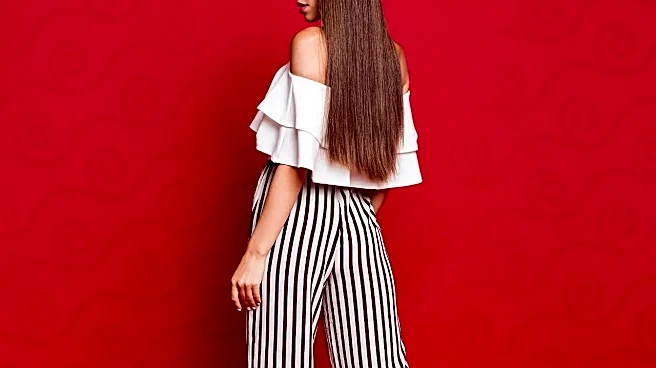
TikTok became the world’s digital runway, the front of an outfit was the undisputed main event. It held the logos, the buttons, the defining details. The back was functional, an afterthought. Now, it’s prime real estate. This shift is largely thanks to the rise of the ‘plandid’—the planned candid photo. Influencers and everyday users alike have mastered the art of the 'look back at it' pose. It’s a way to seem caught in a moment, less overtly vain than a selfie, while still curating a specific image. The pose feels aspirational and slightly mysterious. The subject is both the protagonist of their own story and a silhouette against a beautiful backdrop, inviting the viewer to see the world as they do, but also to admire the drape of their dress or the tie-detail on their top.
An Algorithm That Rewards the Full View
Social media platforms are intensely visual, and their algorithms favor content that is eye-catching and engaging. A face-forward portrait is direct, but a shot from behind or from the side offers more to look at: the setting, the full silhouette of the clothing, and the interplay of light and shadow. Photos taken by someone else—or at least appearing to be—tend to be perceived more positively than selfies, coming across as more successful and likable. A well-composed shot from the back can convey a sense of adventure, contemplation, or effortless style that a simple selfie cannot. This has made it a go-to format for travel bloggers, fashion influencers, and anyone trying to create a visually cohesive and appealing feed. The platforms have trained us, subtly, to present ourselves in a way that is most likely to be rewarded with likes and shares.
Fashion Follows the Feed
Where the camera goes, the designers follow. The fashion industry, once dictated by seasonal runway shows, now takes its cues from the micro-trends that explode on social media. Recognizing that the back of an garment is now a key feature in viral photos, brands have pivoted their designs accordingly. Suddenly, open-back dresses, intricate strap designs, elaborate bows, and dramatic cutouts are everywhere. These 'statement backs' are engineered for the photo op. They add a surprising and visually compelling element that ensures an outfit looks just as good leaving the room as it did entering it—or, more accurately, just as good when photographed from behind. This feedback loop is faster than ever; brands can see in real-time what styles are getting engagement and quickly produce similar items to meet demand.
The Psychology of Turning Away
There’s a subtle psychology to presenting our backs to the camera. In a world saturated with front facing selfies, turning away can feel like a quiet rebellion against the overt demand for attention. It suggests a focus on the experience rather than on the self, even if the act of staging the photo is inherently self aware. It allows for a form of self presentation that feels less vulnerable than staring directly into the lens. We get to control the narrative, showing off our style and our curated life without the direct confrontation of a portrait. It’s a performance of being un posed, a carefully constructed image of living in the moment, for an audience that understands and speaks the same visual language.