
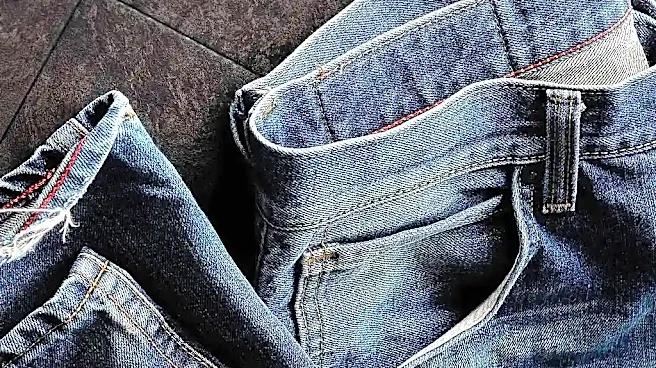
Most men see a trouser cuff as a minor, take-it-or-leave-it detail. But this simple turn-up is doing more than just finishing the hem; it’s a quiet signal of intent that shapes formality, proportion, and the very physics of how your pants hang.
The Physics of a Better Drape
First,
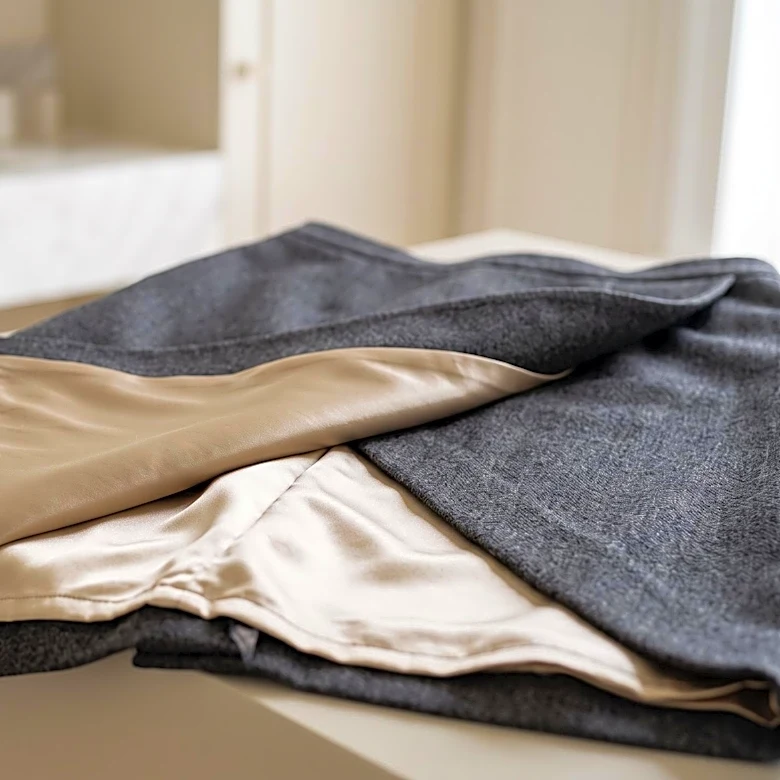
let's talk about weight. A cuff, whether it’s a standard 1.5-inch turn-up or a more assertive 2-inch fold, adds a small amount of physical weight to the bottom of your trousers. This seemingly minor addition has an outsized impact on drape—the way the fabric hangs. The extra weight pulls the trouser leg downward, helping it fall in a cleaner, straighter line from your knee to your shoe. This is especially noticeable in lighter wools or flannel fabrics that might otherwise billow or wrinkle. A cuff anchors the leg, preventing messy fabric pooling and helping to maintain a sharp front crease. A plain, uncuffed hem can be perfectly sharp, but a cuffed hem is actively engineered to create a better silhouette. Think of it as a built-in tool for keeping your look composed.
The Formality Question Is Complicated
There's an old rule that cuffs are less formal than a clean, uncuffed hem. This is rooted in history—cuffs, or 'turn-ups', likely originated as a practical way for men in the country to keep their trouser bottoms out of the mud. But today, the rule is far from absolute. You should never, ever have cuffs on tuxedo pants, as the sleek, unbroken line is essential for formalwear. However, on a business suit or a pair of tailored trousers, a cuff doesn't necessarily make the outfit less formal; it just makes it more traditional. It often pairs naturally with other classic details like pleated fronts. The consensus is that trousers with pleats benefit from the balance a cuff provides, while flat-front pants can go either way. So, rather than thinking of cuffs as 'casual,' it's better to see them as a nod to a more classic, considered style of dress.
It's All About Proportion
This is where the 'depth' of the cuff becomes critical. The horizontal line created by a cuff can visually shorten the leg. For this reason, shorter men have often been advised to avoid them entirely. While a plain hem does create the longest possible vertical line, a blanket ban on cuffs is outdated. Proportion is more important than rigid rules. A shorter man can absolutely wear a cuff, but he might opt for a more discreet 1.25 or 1.5 inch depth, while a man over six feet can easily handle a 1.75 or even 2 inch cuff without looking unbalanced. The width of the trouser leg also matters. A deep cuff on a very slim or tapered trouser can look clunky and bottom heavy, while the same cuff on a straight or fuller cut leg looks balanced and intentional. The key is to ensure the cuff is in harmony with both your body and the cut of the pants.
A Frame for Your Footwear
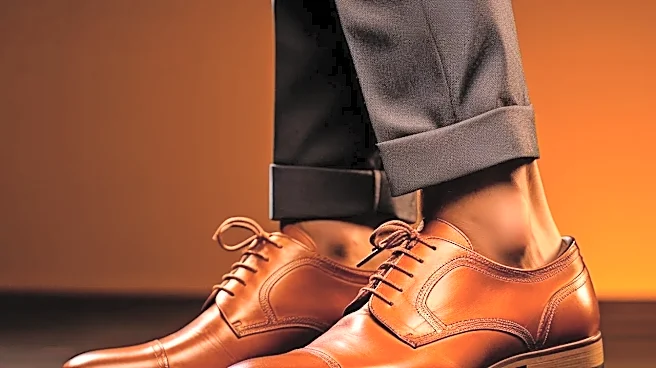
A well executed cuff doesn't just finish the trouser; it spotlights your shoes. By creating a clean deliberate endpoint for the pant leg, a cuff draws the eye downward and provides a frame for a great pair of oxfords loafers or boots. The length is crucial here. A cuffed trouser should ideally have little to no 'break'—the slight fold of fabric that occurs when the pant rests on the shoe. The hem should just graze the top of your footwear creating a crisp uninterrupted view. If cuffed trousers are too long la fabric will puddle and collapse on top of the cuff defeating the entire purpose and creating a sloppy look. Getting the length right ensures the cuff performs its job as a clean transition point not a messy afterthought.