

The Math That Changes Everything
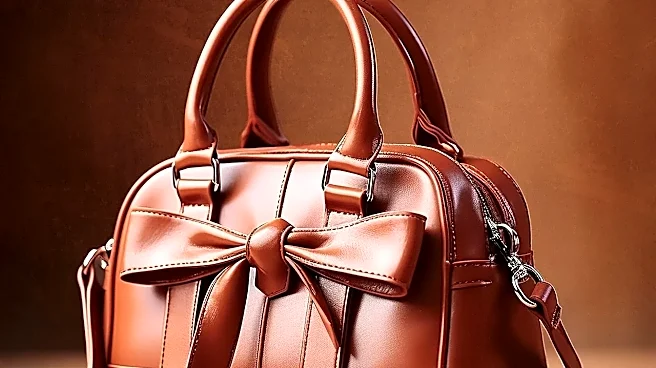
The concept of cost-per-wear is simple: divide an item's price by the number of times you use it. A $40 fast-fashion bag used ten times before a strap breaks or it falls out of trend costs you $4 per wear. In contrast, a $400 leather bag you carry a thousand
times over a decade costs just 40 cents per wear. Suddenly, the “expensive” bag is the far better value. This isn't just about justifying a splurge; it’s a mindset shift away from the disposable cycle of modern fashion. It’s a move toward viewing your wardrobe as a collection of investments rather than a series of temporary fixes. The cheap thrill of a bargain fades quickly when you’re forced to replace it, adding to both landfill waste and long-term cost.
Not All Leather Is Created Equal
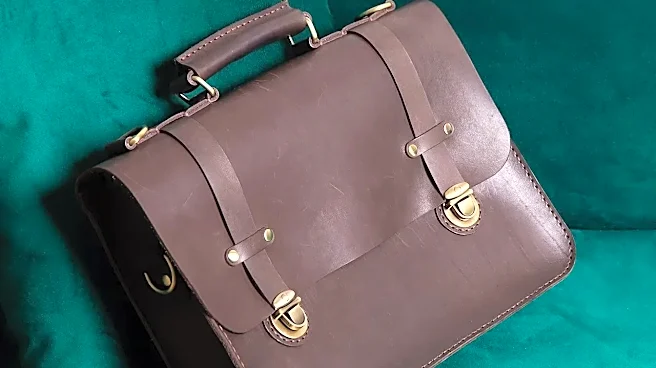
The promise of aging well hinges entirely on the quality of the material. The key is to look for full-grain leather, which comes from the strongest, outermost layer of the hide. This type of leather retains its natural texture and is highly durable, resistant to wear and moisture. Cheaper bags are often made from “genuine leather,” a marketing term for lower-quality layers, or PU leather (polyurethane), which is essentially plastic. These materials are prone to cracking, peeling, and fading within a year or two of use, landing them in the trash. Full-grain leather, on the other hand, doesn't just last; it evolves.
The Beauty of Patina
A high-quality leather bag doesn't just endure, it gets better with age by developing what's known as a patina. This is the subtle sheen and darkening that occurs as the leather is exposed to sunlight, air, and the natural oils from your hands. Every scratch, crease, and bit of wear contributes to a unique story, making the bag distinctly yours. This beautiful aging process is a hallmark of quality that mass-produced, corrected-grain leathers can never replicate. Instead of looking worn out, a bag with a rich patina looks lived-in, storied, and full of character—a trait that adds to its value over time.
An Antidote to Chasing Trends
A classic leather bag in a timeless silhouette—like a tote, crossbody, or satchel—transcends fleeting trends. It’s a style anchor that grounds your wardrobe, looking just as appropriate in ten years as it does today. This stylistic endurance is a crucial part of the cost-per-wear equation. You won’t feel the seasonal pressure to replace it with the next “it” bag, because a well-made leather bag often is the “it” bag, season after season. It provides a professional and sophisticated appearance that elevates any outfit, making it one of the most reliable investment pieces you can own.
Making It Last: Simple Care for a Lifetime
A leather bag is built to last, but its longevity is helped by basic care. First, protect it from the elements. While full-grain leather has some moisture resistance, it's best to avoid letting it get soaked. If it does get wet, let it air dry naturally, away from direct heat. Second, condition it. Once or twice a year, apply a leather conditioner with a soft cloth to keep the hide from drying out and cracking. Finally, store it properly. When not in use, keep your bag in a dust bag to protect it from sunlight and scratches. These simple steps will ensure your investment piece lives up to its potential.