


The Psychology of 12 Yards
On paper, a penalty kick is a gift. The kicker has a 76-inch-wide by 96-inch-high target, and from just 12 yards away, they are statistically favored to score around 75% of the time. But those numbers ignore the human element. The walk from the halfway
line to the penalty spot can feel like a mile. The weight of the game, the hopes of a nation, the roar of the crowd—it all rests on the kicker's shoulders. Their goal is to execute a pre-planned, automatic motor skill under immense pressure. The goalkeeper’s job is to break that automatic process. By introducing doubt, distraction, or hesitation, the keeper can turn a simple kick into a complex cognitive puzzle. If the kicker starts overthinking—'Where is he going to dive? Is he trying to trick me?'—their smooth, powerful technique can crumble. The battle isn't for the goal; it's for the kicker's mind.
The Illusion of Size
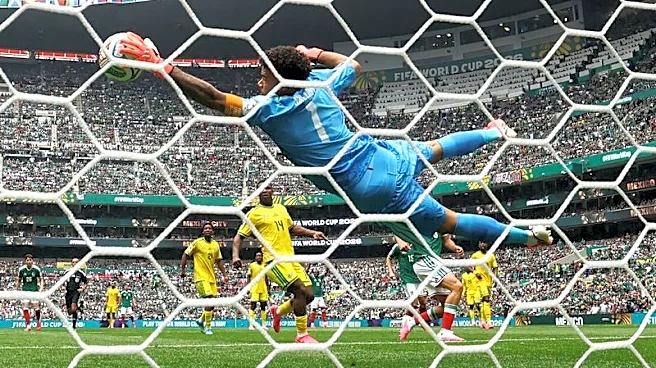
One of the oldest tricks in the goalkeeping book is simply to look bigger. A keeper who stands tall, spreads their arms wide, and bounces on the line creates a larger visual obstacle. This isn't just about intimidation; it's about perception. Research has shown that a keeper who makes themselves appear larger can subconsciously cause the kicker to aim for smaller, more precise areas of the goal, increasing the margin for error. Think of the 'star-jump' save, where the keeper explodes outwards with all four limbs. Even if they don't block the shot, the sheer presence can be enough to make the kicker snatch at the ball or aim it wide. Dutch goalkeeper Tim Krul was a master of this, famously subbed into a World Cup quarterfinal in 2014 just for the shootout. He filled the goal, pointed, and gestured, playing the part of an impassable wall and successfully guiding the Netherlands to victory.
The Master of Distraction
Modern goalkeeping has elevated psychological warfare to an art form, and its current grandmaster is Argentina’s Emiliano 'Dibu' Martínez. His antics during the 2022 World Cup final shootout became legendary. He didn't just try to look big; he actively engaged, taunted, and unsettled each French penalty taker. He’d delay the kick by questioning the ball's placement, throw the ball away from the taker, offer a sly smile, or perform a little dance on the line. These actions are designed to do one thing: disrupt the kicker's rhythm and focus. By forcing a delay and initiating a personal confrontation, Martínez makes the kicker wait, think, and seethe. This emotional interference can lead to a rushed or poorly executed shot. While some call it poor sportsmanship, it’s an effective, rule-bending strategy to level a playing field that’s statistically tilted against the keeper.
The Power of Stillness
While chaos can be a powerful tool, so can its opposite. Some of the most effective goalkeepers use an unnerving stillness to their advantage. Instead of bouncing and shouting, they stand perfectly still, staring down the opponent. This approach projects an aura of supreme confidence and control. The kicker, expecting some reaction, is met with a calm, almost robotic figure who seems to have already figured them out. Italy’s Gianluigi Donnarumma used this to devastating effect in the Euro 2020 final against England. His composed, almost indifferent demeanor suggested he was in complete command of the situation. By refusing to give away any information with his body language, he forces the kicker to guess, and in a game of pure chance, the house (the keeper) only has to be right once or twice to win. The silence can be just as loud as the shouting.