




A Correction to the Skinny Suit Era
For over a decade, menswear was dominated by the skinny suit. Inspired by designers like Hedi Slimane and popularized by mainstream brands, lapels shrank, armholes crept higher, and trousers became impossibly tapered. It was a look that championed a youthful,
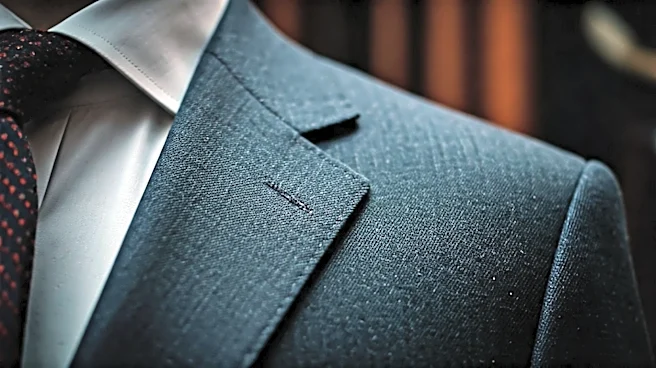
almost boyish silhouette. But fashion is a pendulum. After years of everything getting slimmer, the only place to go was back out. The wider lapel is the most visible sign of this correction. It’s a deliberate move away from the restrictive, shrunken look of the 2010s and a return to a more generous, comfortable, and frankly, more adult way of dressing. It's menswear graduating from its teenage years and embracing a more established, confident aesthetic.
The Visual Power of Proportion
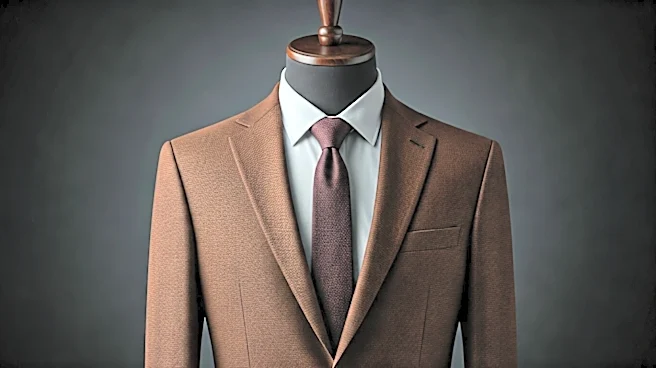
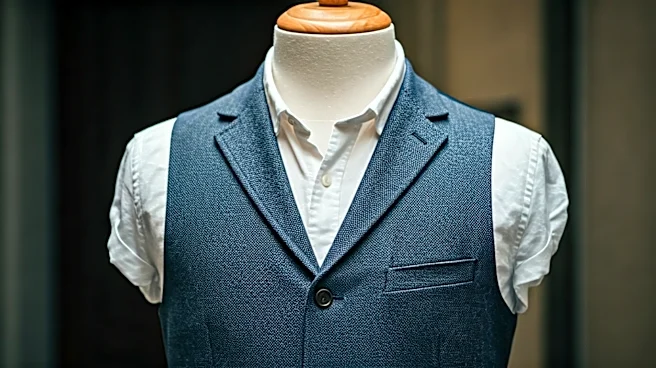
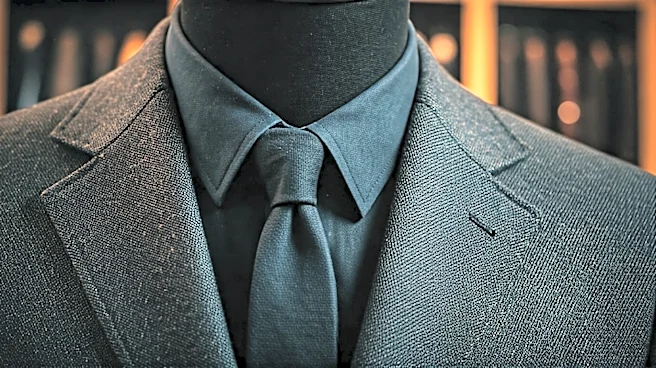
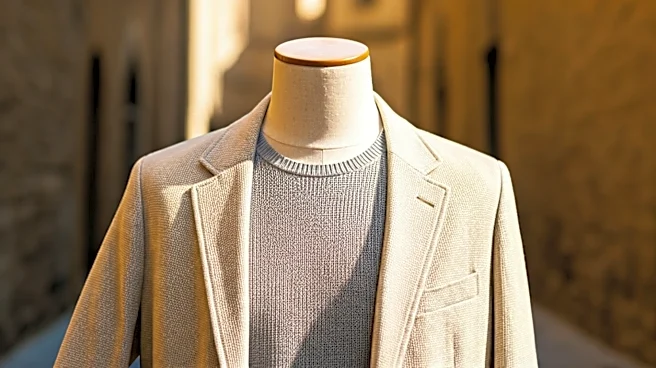
The most compelling argument for a wider lapel isn’t about trends; it’s about simple, time-tested aesthetics. The primary job of a suit jacket or sport coat is to flatter the wearer's body by creating an illusion of a strong, V-shaped torso. A wider lapel is a master of this art. By extending further across the chest, it visually broadens the shoulders and chest, which in turn makes the waist appear slimmer by comparison. This creates a powerful, masculine silhouette. Conversely, the razor-thin lapels of the recent past often did the opposite. They could make a man's shoulders look narrow and his head appear disproportionately large—an effect often compared to a lollipop. The unwritten 'code' at Pitti Uomo is a deep respect for these classic principles of proportion. The lapel should be in harmony with the rest of the outfit, balancing the width of your tie, the size of your shirt collar, and your own physical build.
A Nod to Menswear's Golden Ages
Today’s wider lapels are not happening in a vacuum. They are a direct nod to some of the most stylish periods in menswear history. Think of the elegant, draped suits of the 1930s and 1940s, worn by icons like Cary Grant and Fred Astaire. Their jackets featured generous lapels that conveyed a sense of grace and authority. Then came the 1970s, a decade of peacocking and expression, where bold, wide lapels became a statement of rebellious confidence. The current trend borrows from both. It takes the classic elegance of the '30s and mixes it with the boldness of the '70s, but filters it through a modern lens. It’s not about costume or vintage replication. It’s about appreciating the history of tailoring and understanding that certain forms, like a well-proportioned lapel, are timeless for a reason. They simply look good.
It’s a Confident “Sprezzatura” Statement
Pitti Uomo is the spiritual home of *sprezzatura*—an Italian concept that means a kind of studied nonchalance or artful dishevelment. It’s about looking perfect without looking like you tried too hard. Choosing a wider lapel is a key part of this mindset. It’s an intentional, confident decision. It signals that you’re not just wearing a suit because you have to, but because you want to, and you understand the subtle language of its construction. In a world of fast-fashion uniformity, a wider lapel sets you apart. It says you’ve put thought into your silhouette, you appreciate craftsmanship, and you aren’t afraid to take up a little more visual space. It’s less about screaming for attention and more about a quiet, assured hum of self-possession—the very essence of true style.