







The Million-Dollar Light Show
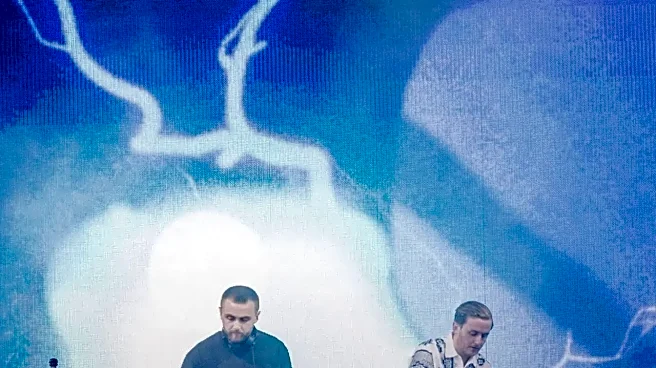
Modern festival headliners no longer just play their hits; they bring a self-contained universe with them. An 'arena-scale production' isn't just a few extra lights. It's often a multi-million dollar affair involving massive, high-resolution video walls,
intricate, computer-controlled lighting rigs, custom-built stage elements, and sometimes even pyrotechnics and drone shows. Booking a top-tier headliner can cost a festival anywhere from $1 million to over $4 million for a single performance. A significant portion of that budget is dedicated to ensuring their show looks and feels the same at ACL as it does in a stadium in another city. The production costs alone—covering sound, lighting, and staging—can run into the hundreds of thousands of dollars per stage, involving dozens of technicians and engineers working for days before the gates even open.
The Artist's Rider: A Non-Negotiable Blueprint
This level of spectacle is rarely the festival's choice alone. It's mandated by the artists themselves. Superstar acts have complex technical and hospitality 'riders'—contractual addendums that specify their exact production needs. These documents can be dozens of pages long, detailing everything from the brand of audio console and the number of subwoofers required to the specific dimensions of the video screens. For a festival like ACL, this means they aren't just booking a band; they're agreeing to facilitate a massive touring production. Production companies like LD Systems work for months in pre-production, creating rigging schematics and logistics plans to accommodate these demands within the temporary framework of a festival. This ensures a consistent show for the artist but puts immense financial and logistical pressure on the festival organizer.
The Zilker Park Puzzle
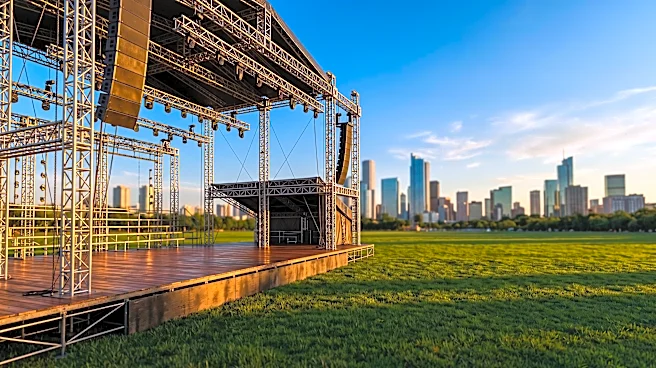
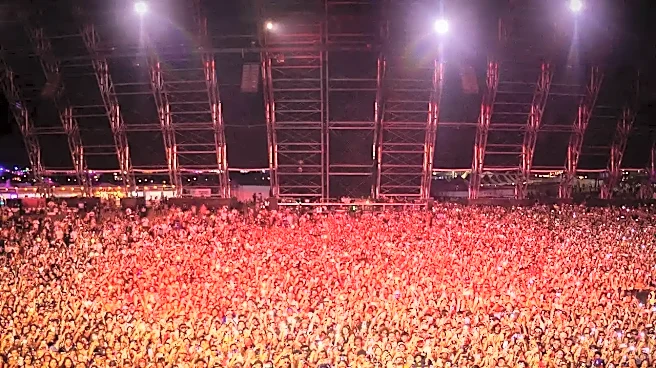
Hosting this level of production in a permanent arena is one thing; doing it in Austin's Zilker Park is another entirely. An arena is a purpose-built concrete box with near-limitless power and structural support. A city park is a field of grass with sensitive ecosystems and limited infrastructure. The real cost mounts in the logistics. Dozens of semi-trucks must navigate city streets and park paths, which often leads to road closures around the festival area. Specialized crews work around the clock to lay down temporary flooring, run acres of power cabling, and erect massive steel structures that can support tons of equipment without sinking into the ground. According to one production company, just two main stages at ACL can require over 150 speaker enclosures and more than 120 power amplifiers to meet the audio demands. All of this requires immense manpower, heavy equipment rentals, and extensive coordination with the city, costs that are ultimately passed on to the ticket buyer.
A Tale of Two Festivals
The focus on massive headliner productions creates a cultural and experiential cost. When so much of the budget and logistical bandwidth is allocated to the main stages, it can create a 'two-tiered' festival. Attendees may feel a stark difference between the jaw-dropping spectacle of a headliner and the more modest setups on smaller stages. This financial gravity can also squeeze the budget for booking diverse, mid-tier, and emerging acts, which have historically been the heart and soul of ACL's discovery experience. Furthermore, the sheer scale of the crowds drawn to these main stages can lead to issues of overcrowding in a park not originally designed for such density, impacting movement and overall enjoyment for those not laser-focused on the headlining act. It's a high-stakes balancing act between delivering a blockbuster show and preserving the festival's core identity.