



A Kingdom of Blue and White
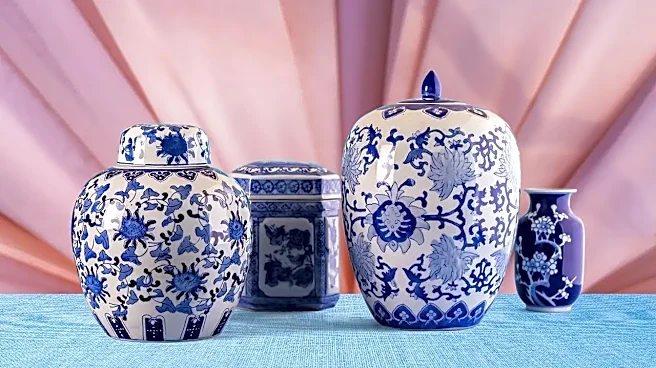
The story of Danish pattern begins, as many great Danish stories do, with royalty. In 1775, under the patronage of Queen Juliane Marie, the Royal Copenhagen Porcelain Manufactory was born. Its very first pattern, known as Blue Fluted Plain, set the stage
for a design legacy. Hand-painted with delicate, stylized floral motifs in brilliant cobalt blue, it was Denmark's answer to the coveted blue-and-white porcelain imported from China. This pattern wasn't just decorative; it was a statement of national craft and identity. The three wavy lines painted on the bottom of each piece, representing Denmark's three main straits, served as a proud signature of its origin. Still in production today, Blue Fluted Plain is a testament to the enduring power of a well-crafted design.
Botany for an Empress
If Blue Fluted was the soul of Danish restraint, Flora Danica was the embodiment of opulent ambition. Commissioned in 1790 by the Crown Prince of Denmark, this legendary dinner service was intended as a diplomatic gift for Empress Catherine the Great of Russia. The goal was to create a service so magnificent it would impress even the most avid porcelain collector. Each of the original 1,802 pieces was painstakingly hand-painted with a different, botanically exact specimen from the 'Flora Danica' encyclopedia of Danish plants. It was a monumental undertaking that took 12 years, and though Catherine died before it was completed, the service remained in the Danish Royal collection as a national treasure. Flora Danica showcased a different side of Danish pattern: detailed, scientific, and bursting with the wild beauty of the natural world.
The Mid-Century Textile Revolution
As the 20th century progressed, Danish pattern leaped from the dining table onto the fabrics that furnished the modern home. The post-war era, famed for its functionalist furniture, also saw a boom in textile design. This was a realm dominated by pioneering women who revived a forgotten craft. Marie Gudme Leth is often called the mother of Danish textile printing, establishing the first studio in the 1930s after finding imported fabrics drab and uninspired. She and her contemporaries, like Helga Foght, drew inspiration from Danish flora and fauna, translating them into patterns that were both modern and deeply rooted in nature. Their work brought color and cheerful elements into homes, offering a visual antidote to darker times and shaping the interior culture of Denmark’s design golden age.
The New Guard on the Runway
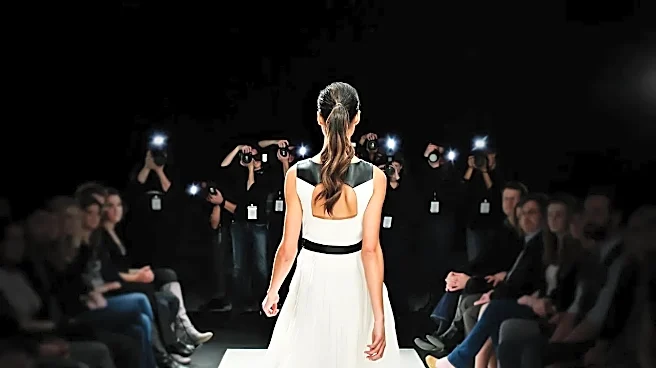
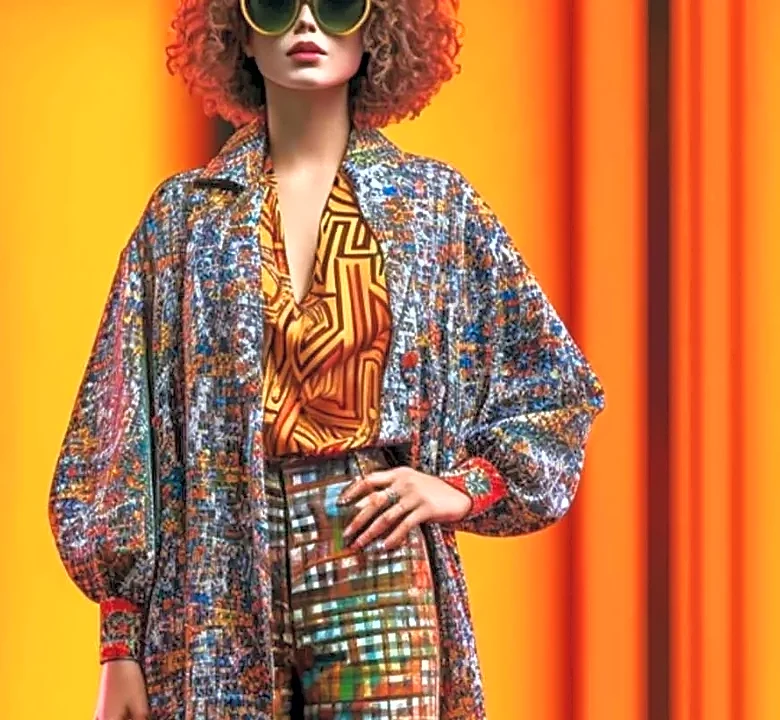
Today, the legacy of Danish pattern is most visible on the international fashion stage. Copenhagen Fashion Week has become a global phenomenon, not for minimalism, but for its celebration of color and print. Brands like Ganni, Stine Goya, and Baum und Pferdgarten have built empires on their playful, expressive, and utterly wearable patterns. Stine Goya is known for its artistic, bold prints and vibrant color stories. Ganni has achieved cult status by mixing ditsy florals and animal prints with an effortless coolness. These designers don’t just slap a pattern on a dress; they use it to tell a story, creating pieces that are joyful and distinctive. It’s a sensibility that feels fresh, yet it’s directly connected to the long history of finding beauty and expression in repeating motifs.
A Pattern of Playful Pragmatism
So, what connects a royal porcelain plate from 1790 to a Ganni dress in 2026? It’s a shared design DNA that values craftsmanship, functionality, and a deep connection to nature. Danish patterns, whether hand-painted on porcelain or digitally printed on silk, have a certain clarity and confidence. They are often inspired by the natural world but are never fussy. There is a balance between order and organic freedom, a playful spirit grounded in practicality. It’s the idea that beauty should not be locked away in a museum but should be part of everyday life—whether you’re setting the table for dinner or getting dressed in the morning. This approach explains why Danish design feels both timeless and completely of the moment.