

The Mid-Range Mainstay: The $25–$50 Workhorse
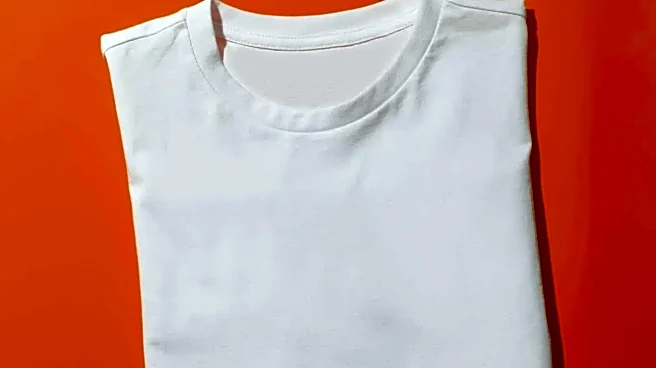
This is the t-shirt most of us know and wear. Found at mall brands and major online retailers, the mid-range crewneck is defined by accessibility and value. The fabric is typically standard cotton or a cotton/polyester blend. While perfectly comfortable
for everyday wear, the cotton fibers are shorter, which can lead to pilling and a rougher texture over time. The fit is often a one-size-fits-most affair—a standard, boxy cut designed for mass production rather than a tailored silhouette. Construction is functional but not flawless; you might see single-stitching on the hems and a simple, thin ribbing for the collar that's prone to stretching or baconing after a few dozen washes. These shirts are the dependable background players of your wardrobe, great for layering or casual use where longevity isn't the primary concern.
The Premium Proposition: The $50–$120+ Investment
Stepping into the premium tier means you’re paying for tangible upgrades in material and craftsmanship. These shirts are often made from superior, extra-long staple (ELS) cottons like Supima or Pima. These fibers are significantly longer than standard cotton, resulting in a yarn that is stronger, softer, and more resistant to pilling. The fabric feels denser and smoother, holds color better, and often gets softer with each wash. The fit is also more considered, with brands investing in specific cuts—slim, athletic, or relaxed—that drape more intentionally on the body. Look closer at the construction, and you’ll find details like a thicker, reinforced collar that holds its shape, taped shoulder seams to prevent stretching, and durable double-stitching on the hems. These aren't just shirts; they're standalone pieces designed to be the main event.
Fabric Face-Off: It's All in the Fibers
The single biggest differentiator is the raw material. Mid-range shirts use conventional cotton, which gets the job done. Premium shirts leverage ELS cottons, which account for a tiny fraction of the world's cotton production. Supima, for example, is a trademark for American-grown Pima cotton with fibers that are about 35% longer than their conventional counterparts. This extra length means the finished fabric is twice as strong and resists breaking and tearing much more effectively. Another term you might see is fabric weight, measured in GSM (grams per square meter). A lightweight tee might be around 140-160 GSM, while a premium heavyweight shirt can be 240 GSM or more, giving it a more structured, less clingy feel.
Construction and Durability: The Telltale Signs of Quality
A t-shirt's lifespan is largely determined by its construction. The collar is the first place to check. A premium tee will almost always feature a thick, tightly ribbed collar that lies flat against the collarbone and is stitched to prevent curling or stretching. Cheaper shirts often have flimsy collars that lose their shape quickly. Next, inspect the seams. Premium shirts often have taped shoulder seams—a strip of fabric sewn over the seam to provide structure and prevent it from stretching out of shape over time. Finally, check the hems on the sleeves and body. Look for clean, even double-needle stitching, which provides a more secure and durable finish than the single-row stitching often found on more affordable garments. These small details are what separate a shirt that lasts a year from one that lasts for many.
The Verdict: When to Save and When to Splurge
So, is the premium t-shirt worth the splurge? It depends entirely on its role in your life. If you need a stack of undershirts for layering or something for a weekend project, a well-chosen mid-range option offers unbeatable value. You get a functional garment without over-investing. However, if you're looking for a t-shirt to wear as a focal point of an outfit—paired with great jeans or tailored trousers—the benefits of a premium crewneck become undeniable. The superior drape, softer feel, and durability in the collar and shape provide a noticeably more polished look that holds up over time. The higher upfront cost often translates to a lower cost-per-wear in the long run, making it an investment in your daily style.