

Your Brain Likes What It Knows
At its core, our preference for the familiar is a simple quirk of human psychology. It's called the 'mere-exposure effect,' a phenomenon where we develop a preference for things simply because we've encountered them before. Psychologists have shown this
works with everything from sounds and symbols to human faces. Each time we see a particular athlete or performer, our brain becomes more comfortable with them. Familiarity feels safe; it requires less mental energy to process. An unknown performer, no matter how skilled, is a novelty that our brains have to work to categorize. A recognized star, on the other hand, feels like an old friend. The applause is not just for the performance; it’s an act of recognizing something—and someone—we already know and like. This sense of comfort and preference happens automatically, often below the level of conscious thought.
We're Invested in the Story, Not Just the Moment
Fans don’t just follow a single game or performance; they follow a career. We're not just watching an action, we're watching the next chapter of a story we've been invested in for years. This is what researchers call a parasocial relationship: a one-sided emotional bond fans develop with public figures. We know their history, their struggles, their past triumphs, and their rivalries. A technically perfect vault from an unknown gymnast is an amazing athletic feat. But a slightly imperfect vault from a star we’ve watched since she was a junior carries the weight of her entire journey. We cheer for her comeback from injury, for her rivalry with another top competitor, or for her last shot at glory. This narrative bias makes us see every performance as part of a larger, epic tale. The cheer is for the character we’ve come to love, not just the isolated action.
The Human Appeal of Imperfection
While we can admire perfection, we don't always connect with it. Flawless execution can feel robotic, distant, and unrelatable. In contrast, seeing a performer show visible effort, struggle, and even make small mistakes makes them more human. It reminds us that behind the incredible talent is a person, guided by emotion and taking risks. When a singer’s voice cracks with emotion or a quarterback scrambles under pressure, we connect with the raw, unfiltered humanity of the moment. These imperfections aren't seen as failures but as evidence of the artist's or athlete's presence and commitment. We lean in, we empathize, and we cheer for the effort itself. That shared sense of struggle and overcoming is often more emotionally powerful than a performance that seems entirely effortless.
It's About Belonging
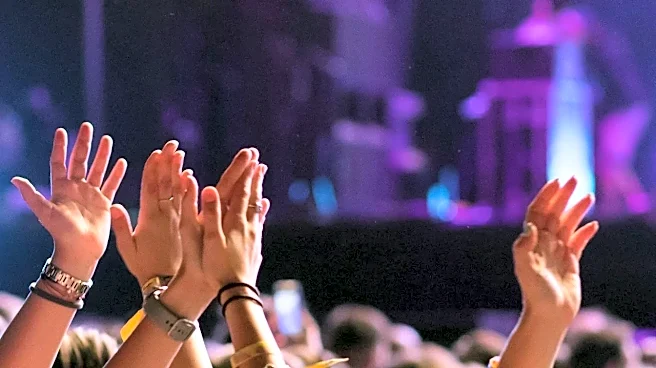
Cheering for a well-known figure is also a deeply social act. When you and thousands of others roar for a hometown hero or a global superstar, you are reinforcing a shared identity and a sense of community. Your cheer is a signal that you are part of the group, that you belong to this tribe of fans. This is especially true in sports, where fandom creates powerful social bonds and can boost self-esteem when a team or athlete succeeds. The eruption of applause for an established character in a play or a franchise film works the same way; it's a collective celebration of shared knowledge and anticipation. The perfectly executed performance by a stranger doesn't offer that same opportunity for communal bonding. Cheering for them is an individual act of appreciation, while cheering for 'our guy' is a collective act of identity.