





Game of Thrones: The Chaos of Ambition
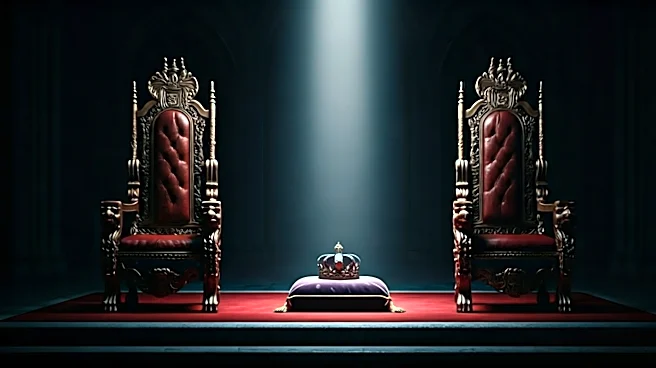
Game of Thrones presented power as a chaotic, multi-pronged free-for-all. The series thrived on breadth, showcasing a sprawling continent where anyone with enough cunning, brutality, or dragons could make a play for the Iron Throne. Power was a prize
to be won, a game to be played. Characters like Littlefinger schemed their way up from obscurity, while sellswords like Bronn earned castles. Daenerys Targaryen began as an exiled pawn and grew into a world-conquering queen. Cersei Lannister, denied ultimate authority by her gender, seized it through sheer, nihilistic will. In this version of Westeros, power was dynamic and external. It was about alliances, betrayals, and grand military campaigns. The show's most iconic moments—the Red Wedding, the Battle of the Bastards—were shocking demonstrations of power being violently transferred. The central question wasn't about the philosophy of rule but the mechanics of conquest. It was thrilling, unpredictable, and epic in scope, treating the quest for power as an addicting, high-stakes sport.
House of the Dragon: The Prison of Legacy
If Game of Thrones was about winning power, House of the Dragon is about the crushing weight of inheriting it. The prequel narrows its focus from a continent to a single, deeply dysfunctional family. Here, power isn't a prize to be won but a poison that's been in the water supply for generations. The characters aren't outsiders trying to break in; they are insiders trapped in a gilded cage, suffocating under the expectations of their name. King Viserys is a decent man undone not by ambition, but by the burden of trying to hold a fractured legacy together. Rhaenyra and Alicent aren't initially driven by a lust for the throne; they are pushed into their deadly rivalry by a patriarchal system and the perceived duties to their houses and children. Power isn't a choice but a terrible, inevitable responsibility. Even Daemon Targaryen, the ultimate agent of chaos, defines himself entirely by his proximity to—and rejection from—the throne. This claustrophobic focus turns the political into the personal, making the struggle for power feel less like a game and more like a Greek tragedy.
Violence as a Tool vs. An Inevitability
The two shows' differing approaches are starkly reflected in their use of violence. In Game of Thrones, violence was often strategic, a calculated move on the chessboard. Tywin Lannister orchestrated the Red Wedding not out of passion, but as a cold, ruthlessly efficient solution to a military problem. Ramsay Bolton used torture as a psychological weapon to secure his hold on the North. In House of the Dragon, violence is rarely so calculated. It’s more often the messy, unintended consequence of simmering resentment and wounded pride. The pivotal moment that truly ignites the Dance of the Dragons—Aemond's fatal confrontation with Lucerys—is not a planned assassination. It's a schoolyard taunt that escalates uncontrollably, a personal grievance with apocalyptic consequences. Power in House of the Dragon is so intertwined with ego and family trauma that violence becomes an inevitable, emotional outburst rather than a political tool. It’s what happens when caged animals finally snap.
The Verdict: A Sharper, More Tragic Focus
So, which series handles power better? While Game of Thrones gave us a more expansive and thrilling spectacle, House of the Dragon offers a more focused, mature, and ultimately more devastating examination of the theme. By shrinking its scope, the prequel drills down to the psychological rot at the heart of absolute monarchy. It argues that power isn't just a corrupting force, but a hereditary disease that destroys from within. Game of Thrones, for all its brilliance, sometimes lost its thematic thread in its sprawling plot, especially in its later seasons where character motivations often bent to the needs of spectacle. House of the Dragon, by contrast, is surgically precise. Every scene, every whispered insult, and every pained glance is directly tied to the central tragedy of the Targaryen dynasty. It’s less about the game and more about the players who were never given a choice whether to play.