




1. The Hat Does the Talking
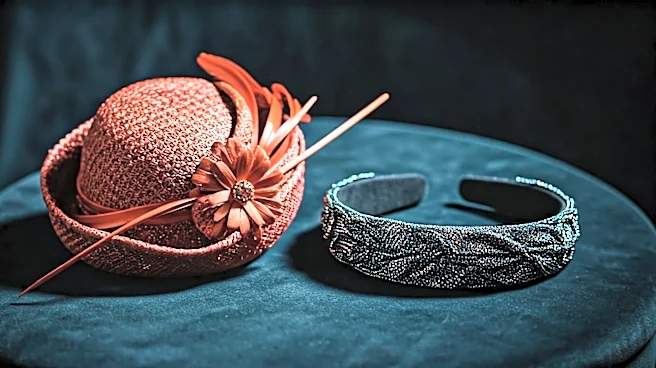
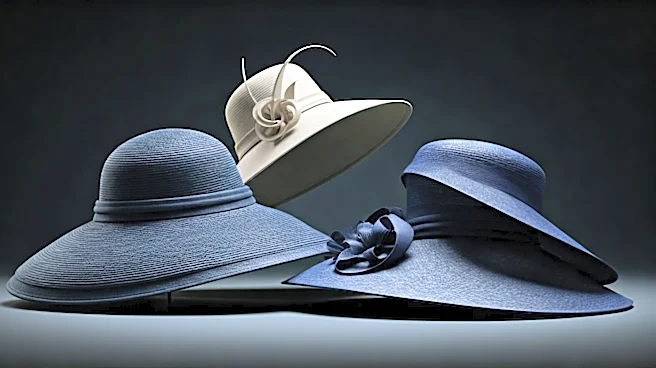
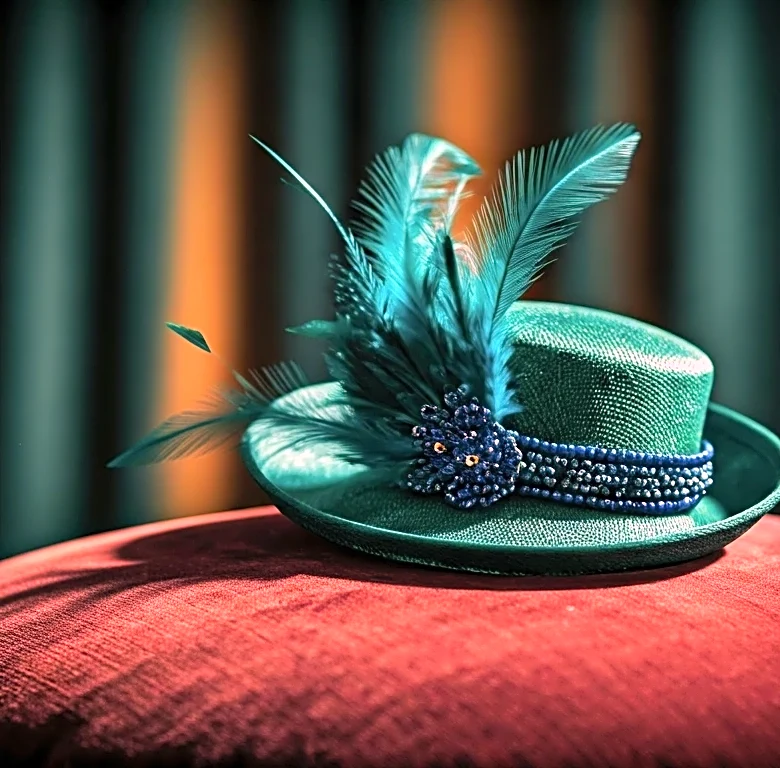
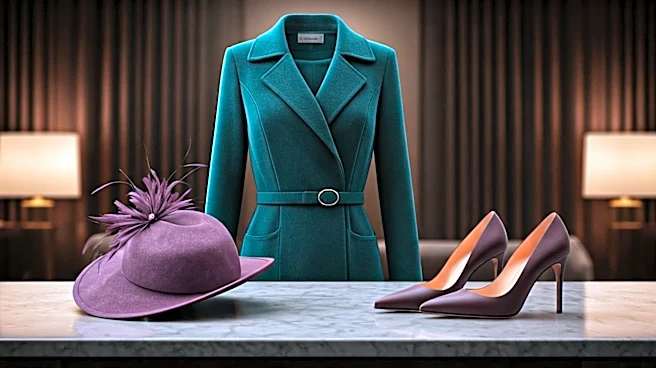
The hat, or more accurately, the 'headpiece with a solid base of 4 inches or more,' is the non-negotiable star of any Royal Ascot ensemble. The most sophisticated attendees understand this implicitly. They choose a dramatic, sculptural, or color-saturated
hat and then build the rest of the outfit in its service. This means forgoing a statement necklace that would compete with the hat’s grandeur. Instead, you'll see a clean neckline, perhaps with subtle stud earrings. It’s a brilliant lesson in hierarchy: when one element of your outfit is the designated showstopper, let it have the stage. By keeping jewelry minimal around the face and décolletage, the eye is naturally drawn upward, allowing the millinery masterpiece to get the applause it deserves.
2. Monochrome with a Twist
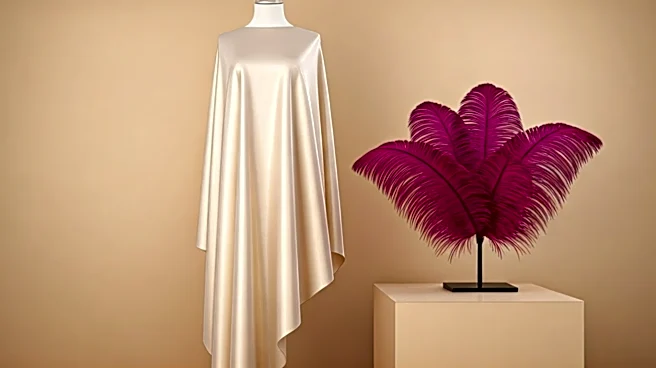
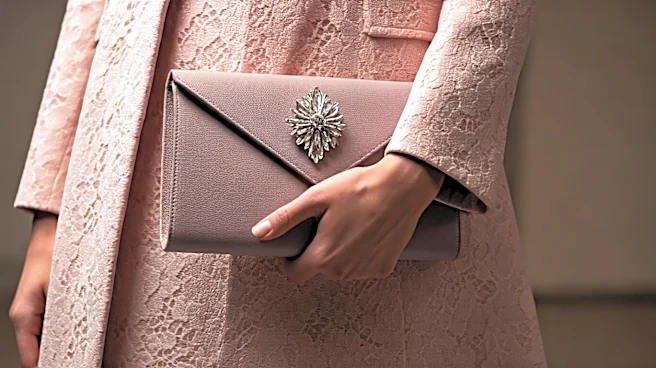
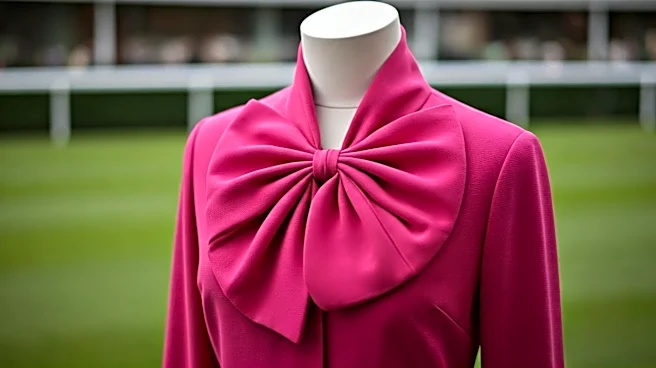
Dressing in a single color from head to toe is a powerful move, creating a long, unbroken visual line that exudes confidence. We see it time and again at Ascot, from vibrant fuchsia to soft powder blue. The trick, as demonstrated by guests like Zara Tindall, is in the texture and silhouette. A monochrome outfit doesn't need a jumble of accessories to be interesting. Instead, the interest comes from a beautifully tailored dress, the sheen of a silk fascinator against a matte crepe fabric, or the simple addition of a coordinating clutch. The 'accessory' becomes the subtle play of light on different materials. It’s a quiet statement that reads as incredibly chic and self-assured.
3. The Power of a Bare Wrist
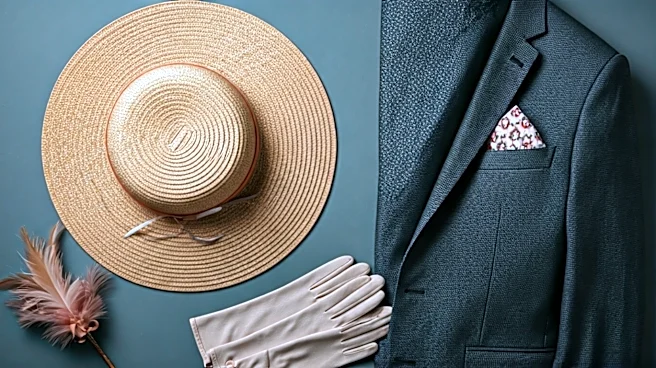
In an era of stacked bracelets and oversized watches, a bare wrist can feel like a radical act. At an event that calls for gloves in certain enclosures, many of the best-dressed guests skip fussy wrist-wear altogether. Why? Because a simple, elegant sleeve—be it a delicate cap sleeve, a tailored three-quarter length, or a dramatic bishop sleeve—is an accessory in its own right. Piling on bracelets can muddy the clean lines of a well-cut dress. By leaving wrists unadorned, the focus remains on the silhouette of the garment and the elegance of a simple clutch or, when required, the classic line of a glove. It’s a reminder that sometimes, the most impactful accessory is negative space.
4. Print-Centric Simplicity
When the dress is a canvas of bold florals, striking geometrics, or whimsical polka dots, experienced dressers know to pull back on everything else. The print is the main event. Trying to match a busy print with equally busy accessories is a recipe for a chaotic look. The elegant approach is to pick one or two minor colors from the pattern and use them for the hat and shoes, creating a cohesive, polished effect. A simple, solid-colored pump and a streamlined fascinator will anchor a vibrant printed dress, making it look intentional and expensive. The goal is to complement the print, not compete with it.
5. The Strategic Edit
This is the overarching rule that ties all the others together. Before leaving for the day, the savviest dressers seem to perform a final 'strategic edit.' They look in the mirror and ask not what else they can add, but what they can take away. Does the outfit really need the necklace *and* the brooch? Could a smaller, more refined handbag work better than a larger one? This final moment of subtraction is what separates good style from great style. It’s the confidence to know that your core pieces—the dress, the hat, the shoes—are strong enough to stand on their own without being propped up by a chorus of distracting extras. It’s the fashion equivalent of Coco Chanel’s famous advice: 'Before you leave the house, look in the mirror and take one thing off.'