





An Act of Resistance and Joy
The story of Black resortwear begins not on a runway, but as an act of necessity. During the Jim Crow era, when segregation barred Black Americans from most public recreational spaces, they created their own. Places like Oak Bluffs on Martha's Vineyard,
Idlewild in Michigan, and Highland Beach, Maryland, became sanctuaries. Founded in 1893 by Frederick Douglass's son Charles, Highland Beach was the country's first Black resort town, born after he was denied service at a nearby restaurant. These towns were more than just vacation spots; they were havens where Black families could experience leisure and safety. In these spaces, fashion became a form of self-expression and dignity. Vacation style wasn't just about clothes; it was about embodying the freedom and joy that were denied elsewhere.
Defining a Unique Vacation Style
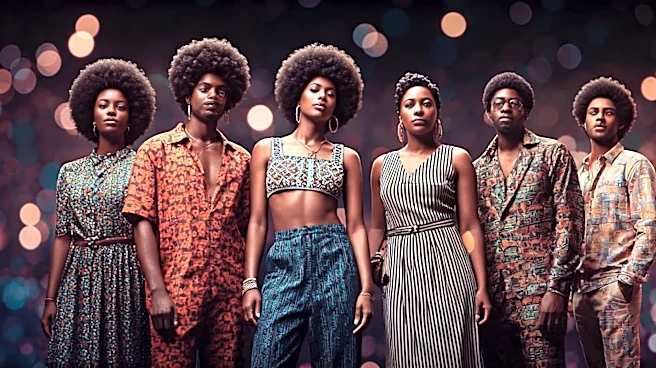
While mainstream resortwear emerged in the 1920s for wealthy white travelers heading to warmer climates, Black vacation style evolved on a parallel track. In communities like Oak Bluffs and Sag Harbor, dubbed the "Black Hamptons," style was a reflection of accomplishment and cultural pride. Black professionals—doctors, lawyers, educators, and artists—gathered in these enclaves. The clothing reflected this: elegant, but relaxed. It was less about adopting mainstream trends and more about creating a distinct aesthetic. The clothing worn at places like Inkwell Beach in Oak Bluffs was a statement of belonging and success in a country that often contested both. This laid the cultural foundation for what would become a thriving, independent fashion movement.
The Modern Rise of Black-Owned Brands
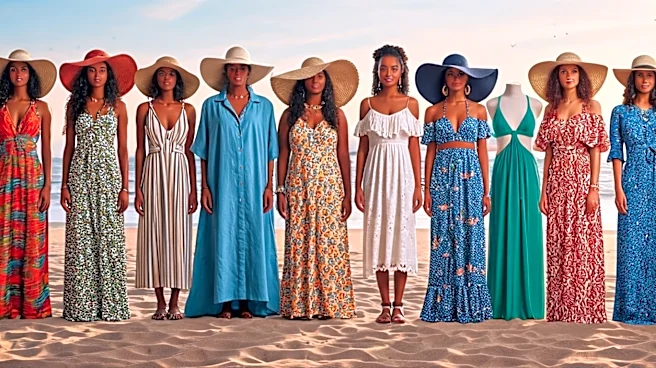
Today, the legacy of those historic resort towns fuels a booming market for Black-owned resortwear brands. Designers are drawing inspiration from their heritage to create collections that are vibrant, bold, and culturally specific. Brands like Andrea Iyamah infuse African cultures into modern, feminine silhouettes, while Fe Noel channels Caribbean heritage into its statement pieces. Others, like Lemlem, founded by supermodel Liya Kebede, focus on preserving traditional Ethiopian handweaving techniques to create effortless cotton and linen garments. These designers aren't just selling clothes; they're continuing the story, offering a new generation a way to connect with their history through fashion that is unapologetically joyful and celebratory.
The ESSENCE Festival Runway
This entire history culminates each year in New Orleans at the ESSENCE Festival of Culture. The festival has become the unofficial runway for Black resortwear, where attendees showcase their personal style and celebrate Black-owned brands. The looks seen in the convention center hallways and at the Superdome concerts are a direct descendant of the style cultivated in Oak Bluffs and Idlewild. With the New Orleans heat and humidity, breathable fabrics like linen and cotton, flowing caftans, and vibrant African prints are not just a style choice, but a practical one. The annual all-white party, a festival tradition, further underscores the importance of the resort aesthetic. More than just a music festival, ESSENCE is a vibrant, living archive of Black style, where the past and present of resortwear are on full display.