



The Visual Magic of Proportion
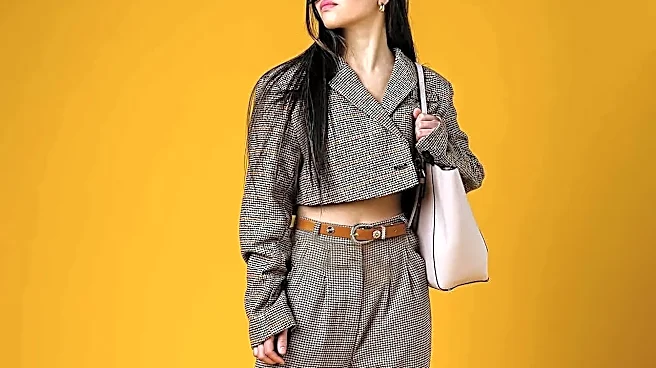
The secret isn't about changing your body's measurements, but about manipulating perception. Fashion, at its core, is architecture for the body, and the most powerful tool is proportion. By strategically widening the top of your silhouette with an extended
shoulder, you create a classic 'X' or hourglass shape. Your eye is naturally drawn to the widest point—in this case, the shoulders—and it uses that as an anchor to judge the rest of the figure. When the line of the shoulders is broad, the waistline below it appears significantly smaller by contrast. It’s a simple but effective visual trick that designers use to sculpt the body, creating a harmonious and balanced look. Getting the proportions right can have more impact than the price tag or even the size of the garment.
It’s All About Where the Eye Goes
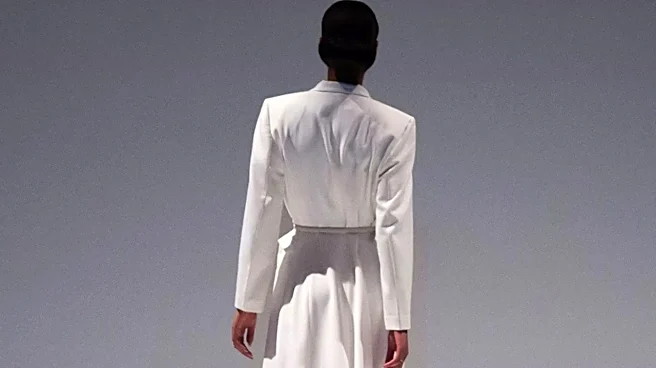
Think of it like a visual equation. Your brain processes shapes in relation to each other. When you introduce a strong horizontal line at the shoulders, it creates a counterbalance to your lower half. This effect is so powerful that even minimal structure, like the padding in a blazer, can visually reduce the perceived size of the waist. This principle is part of Gestalt psychology, which explains how our minds tend to group elements to form a complete picture. A wider shoulder line forces the eye to travel inward and down to the waist, emphasizing its narrowest point before widening out again at the hips. The result is an optical illusion of a more defined waist, achieved not by cinching or squeezing, but by simply directing the viewer's gaze.
The Power Shoulder Through History
This isn’t a new trend; it’s a recurring power play in fashion history. The 'power shoulder' first gained prominence in the 1930s and 40s, pioneered by designers like Elsa Schiaparelli. As more women entered the workforce during World War II, masculine-inspired suiting with structured shoulders became a symbol of capability and authority. The look had its most iconic comeback in the 1980s, an era of female empowerment and 'power dressing' for the corporate world. TV shows like 'Dynasty' and films like 'Working Girl' cemented the broad-shouldered blazer as the uniform for women breaking barriers. From Joan Crawford to Princess Diana, influential women have used this silhouette to project confidence and command attention.
How to Use the Extended Shoulder Today
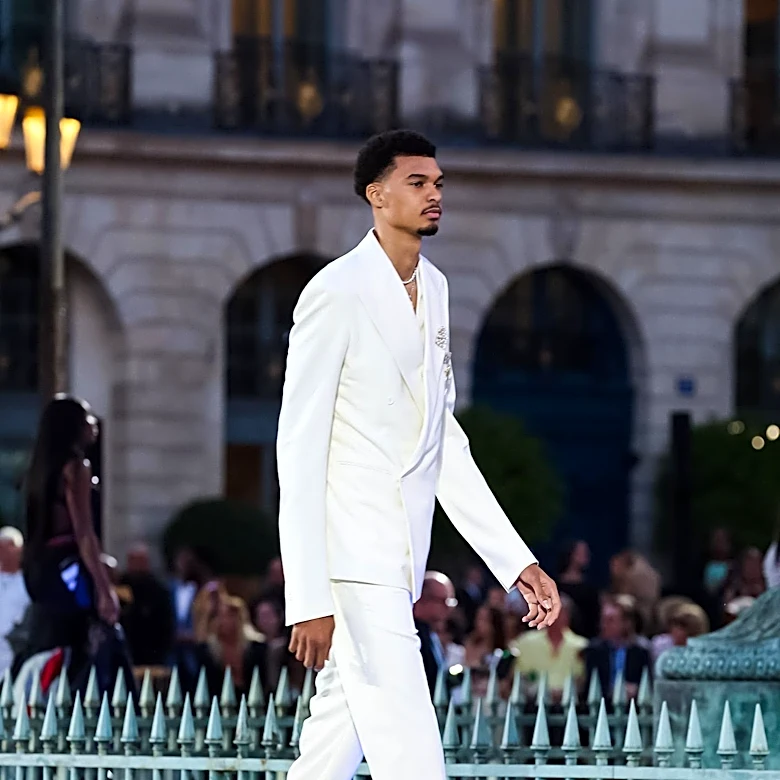
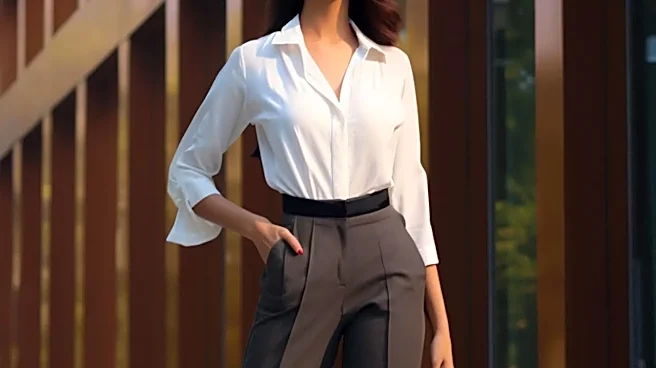
You don’t need to find a vintage 80s blazer to make this work. The modern interpretation is more subtle and varied. A tailored blazer with a crisp, defined shoulder line is a timeless choice that instantly creates structure. But you can also achieve the effect with puff-sleeve blouses, boat neck tops, or dresses with cap sleeves, all of which add volume to the shoulder area. Even wearing a jacket open over a more fitted top can create the desired widening effect. To complete the illusion, pair your extended-shoulder top with bottoms that define your natural waist, such as high-waisted trousers or an A-line skirt. This balances the proportions and solidifies the flattering hourglass silhouette you've created.