







More Than Just a Setting
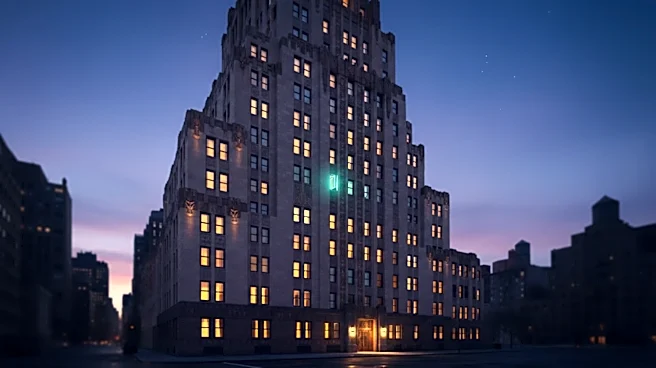
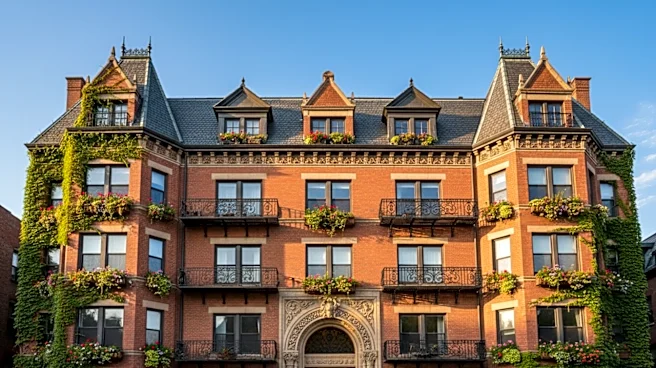
Calling the Arconia a “character” in the show feels like an understatement. It’s more than just a backdrop; it’s the narrative engine. The building, a fictional pre-war Upper West Side classic, is a labyrinth of secrets that physically drives the plot
forward. The very premise—that murders only happen within its walls—cements its importance from the first episode. But the writers go deeper. A season two storyline revealed a network of secret passageways, nicknamed the “Arcatacombs” by Oliver, which not only provides a literal behind-the-scenes look at the residents' lives but also gives our amateur sleuths a way to eavesdrop and investigate. This architectural feature isn’t just a quirky detail; it’s a brilliant device that makes the entire building a playable chessboard for both the characters and the mystery-obsessed viewers.
A History of Secrets
The Arconia doesn’t just exist in the present; it has a past that constantly bleeds into the trio’s investigations. The show’s creators meticulously built a fictional history for the building, complete with its own eccentric architect, Archibald Carter, who had a passion for secret passageways. This lore provides a seemingly endless well of clues and red herrings. Each season, as Charles, Oliver, and Mabel dig into a new crime, they uncover another layer of the Arconia’s history—from stories of estranged artists and hidden treasures to the complex social dynamics of its long-term residents. For example, Bunny Folger wasn’t just a cranky board president; she was a legacy, a living embodiment of the building's history, making her murder a crime against the Arconia itself. This deep history makes the world feel lived-in and rewards attentive viewers who enjoy piecing together decades-old gossip to solve a present-day crime.
The Architecture of Fandom
This detailed world-building does more than just serve the plot—it actively cultivates a loyal and engaged fanbase. The Arconia’s mysteries are designed to be solved, turning passive viewing into an interactive experience. Fan communities on platforms like Reddit are filled with intricate theories, not just about the killer of the season, but about the building itself. Viewers debate the significance of architectural details, unresolved subplots from past seasons (like who poisoned Oliver's dog), and the potential for a “Moriarty” figure operating within the Arconia's walls. By hiding clues in plain sight and building a world rich with history, the show encourages re-watches and forensic-level analysis. Hulu even leaned into this with promotional materials like “ambient rooms” where fans could virtually search for clues. The Arconia becomes a shared puzzle box, uniting its audience in a collective investigation.
A Blueprint for Streaming Success
In an era where streaming services fight for every subscriber, creating a “sticky” show that holds attention season after season is the ultimate goal. The strategy behind the Arconia provides a masterclass in how to do it. While the star power of Steve Martin, Martin Short, and Selena Gomez gets viewers in the door, it’s the deep, explorable world of the Arconia that convinces them to stay. It elevates a cozy mystery into a sprawling universe. This model of building a rich, self-contained world gives a series longevity beyond its initial premise. The building ensures that even as characters come and go, the core source of mystery and intrigue remains. It’s a sustainable formula for storytelling that doesn’t just rely on ever-escalating stakes but on the satisfaction of slowly uncovering the secrets of a place you’ve come to know and love.