





The Overpacker's Syndrome
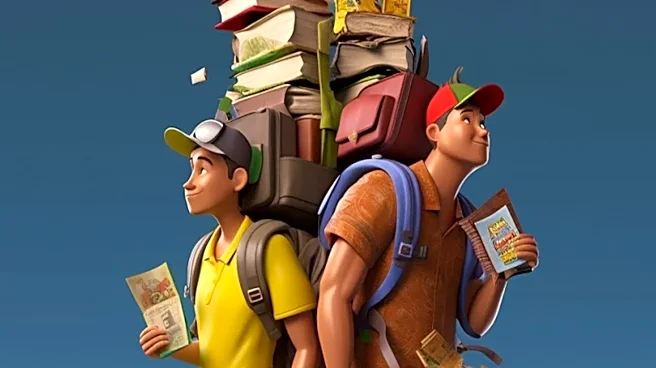
We all know the type. They have a specific outfit for every potential theme party, a backup for that outfit, and a 'lounging' outfit for in-between. They've brought three pairs of goggles, a full-size pillow from their bed, and enough solar-powered gadgets
to light a small village. While their intentions are often good—they genuinely believe they're being prepared—the result is a logistical nightmare for everyone else. In the harsh, space-constrained environment of a desert art event like Burning Man, this individual preparedness can quickly clash with the reality of shared living quarters, whether it's a yurt, an RV, or a cluster of tents under a single shade structure.
Self-Reliance vs. Communal Effort
The irony is that this behavior often stems from a misunderstanding of a core Burning Man principle: Radical Self-Reliance. Yes, every participant is expected to bring what they need to survive. But this principle is balanced by another equally important one: Communal Effort. Your self-reliance shouldn't impose on the community's resources, and the most finite resource on the way to the desert is often vehicle and camp space. True self-reliance involves planning and packing efficiently, not just amassing gear. When one person’s gear consumes the space needed for shared essentials like water, food coolers, or shade structures, it undermines the collaborative spirit of the camp.
The Art of the Essential
The antidote to overpacking is to brutally distinguish between wants and needs. You need water, food, shelter, and basic clothing for extreme temperature swings. You need lights for your body and your bike at night so you don't become invisible. You need robust stakes for your tent and goggles for dust storms. What don't you need? You probably don't need seven different pairs of boots. You don't need a full-size suitcase of non-Playa clothes. You don't need fragile decorations that will turn into instant trash (or 'moop') in the first windstorm. Focus on multi-use items: a sarong can be a skirt, a dust cover, a towel, or a sunshade. A good thermal layer works under any costume. Think modular, not monumental.
The Pre-Playa Pact
The single best way to avoid storage wars is communication before a single bag is packed. The most successful camps treat packing as a team sport. Create a shared online document, like a Google Sheet, where people can claim responsibility for bringing communal items. Who is bringing the main shade structure? Who has the camp stove? Who is organizing the coolers for food versus drinks to minimize opening? This does two things: it prevents wasteful duplication (you don't need five camp kitchens) and it makes it clear how much personal space each person realistically has. Assigning a 'Gear Captain' can help keep this process organized and ensure that essentials aren't forgotten while duplicates are left behind.
Your New Packing Mantra
Before you pack an item, ask yourself three questions: Will I be genuinely miserable without this? Can I borrow it from a campmate or will the camp have a shared one? And, most importantly, is this item worth the physical space it will occupy? If you're bringing an item 'just in case,' that case had better be a high-probability emergency, not a low-probability fashion whim. If it's your first time, it's natural to be nervous and overcompensate. Trust the advice of veterans and the official survival guide: focus on survival, sustainability, and shared experience. No one has ever left the desert wishing they'd brought more stuff.