





Long before you could endlessly scroll through a streaming library, your movie night choices were finite, physical, and fantastic. The video store was a temple of entertainment, and its holiest, darkest corner was the horror aisle.
The Friday Night Ritual
For anyone of a certain
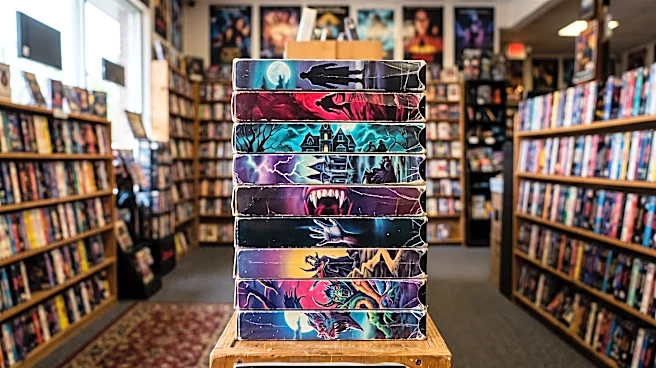
age, the memory is visceral. The distinct smell of plastic VHS cases, the low hum of fluorescent lights, and the thrill of walking into a video rental store. This wasn't a passive, solo activity. It was an event, a destination, a social ritual. You and your friends would wander the aisles, debating the merits of the latest action blockbuster or romantic comedy. But the real adventure was in the horror section. Often tucked away in a dimly lit part of the store, this was where the true treasure hunt began. With no Rotten Tomatoes or instant trailers, you had only one thing to guide your 99-cent rental decision: the box art.
The Art of the Lurid Promise
VHS cover art was a brutal, beautiful form of advertising. It had one job: to grab your attention from a crowded shelf and refuse to let go. Horror covers, in particular, were masterpieces of provocation. Artists used every trick in the book: gruesome monsters, terrified victims, neon slime, and promises of gore and mayhem that the film inside often couldn't deliver. Covers for movies like 'Ghoulies,' with its creature emerging from a toilet, or 'Street Trash,' depicting a body melting into urban decay, became iconic and traumatizing in equal measure. This art wasn't just a preview; it was a dare. It promised a nightmare, often illustrated with a level of detail and imagination far exceeding the movie's actual budget or quality. For straight-to-video releases, the cover wasn't just part of the sale; it was the entire sales pitch.
A Gamble in a Plastic Case
Every rental was a gamble. You might pick up a future classic like 'The Stuff' based on its insane cover of a family being consumed by a gooey dessert, or you could end up with a painfully dull slasher that spent its entire budget on the box art. This was part of the magic. The potential for disappointment made the discovery of a hidden gem all the more rewarding. The covers for films like Peter Jackson's 'Dead Alive' or the infamous 'Blood Diner' made promises of unimaginable horror and absurdity. Whether the movie lived up to the hype was almost secondary to the experience of being lured in by its outrageous visual sales pitch. The cover was a gateway to a shared experience of either delight or disgust, something to be discussed and debated long after the tape was returned.
The Algorithmic Void
Today, that sense of physical discovery has been replaced by the cold logic of the algorithm. Streaming platforms like Netflix use a sophisticated system to present thumbnails tailored to your viewing habits. If you watch romantic comedies, it will show you a thumbnail of a couple. If you watch action, you'll see an explosion. This hyper-personalization is designed to eliminate the gamble, to ensure you're only shown what the data suggests you want to see. But in doing so, it has sanitized the experience. The modern thumbnail is a clean, data-driven, A/B tested image, not a piece of lurid, hand-painted art designed to shock and entice. We've traded the wild, unpredictable shelves of the video store for a sterile, endlessly scrolling menu that lacks the risk, and therefore the thrill, of the unknown.