




What is Negative Space, Anyway?
In art and design, negative space is the empty area around and between the subjects of an image. [24] Think of the arrow cleverly hidden between the 'E' and 'x' in the FedEx logo—that's negative space doing its job. In fashion, it’s the space created
by a garment that frames the body. Recently, luxury menswear has become obsessed with the negative space around the neck, turning an area once dominated by cravats, bow ties, and four-in-hand knots into a new focal point of the entire silhouette. [1, 12] It's not about what's there, but the power of what isn't.
The Deliberate Absence of the Tie
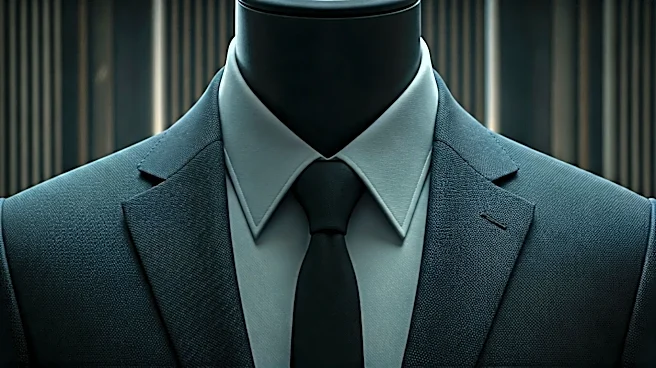
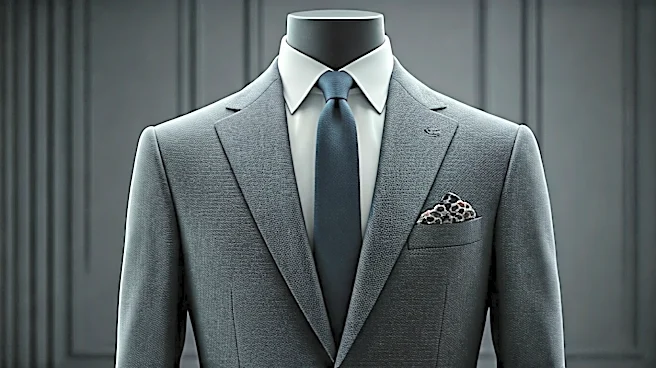
The necktie's role has been shifting for decades. Once a non-negotiable symbol of professionalism and decorum, its presence has been in steady decline since the 1990s. [3, 4] First came Casual Fridays, then the tech boom's hoodie-clad billionaires, and finally a global pandemic that made office attire rules feel obsolete. [3, 8] In luxury circles today, forgoing a tie isn't a sign of being underdressed; it's a conscious choice. [6] On red carpets and runways, a tieless, open-collared suit is the new power move. [6] This intentional emptiness draws the eye upward, framing the jawline and face without the restrictive punctuation of a tie. [10] The confidence comes not from adding an accessory, but from the self-assuredness to leave it off entirely. [5]
Sculpting the Void with New Collars
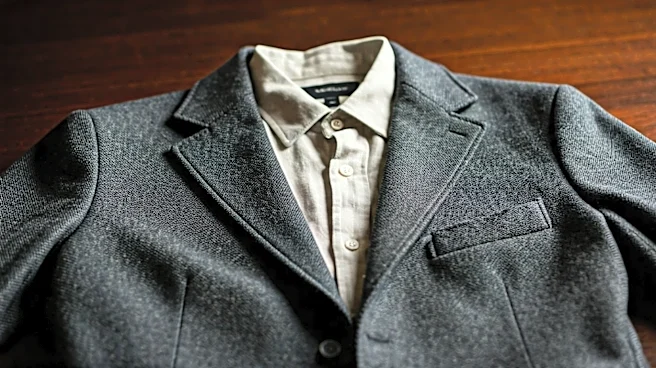
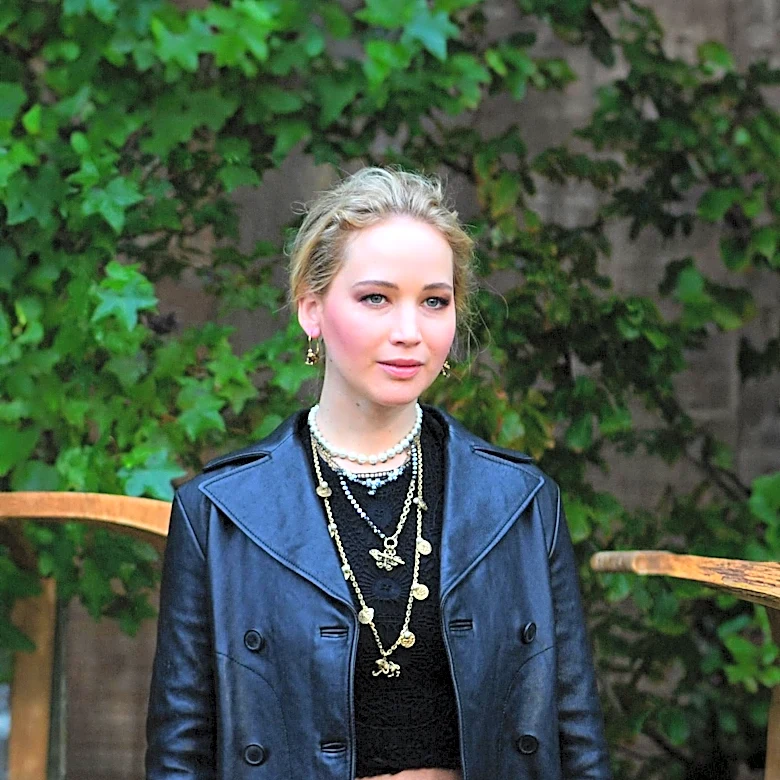
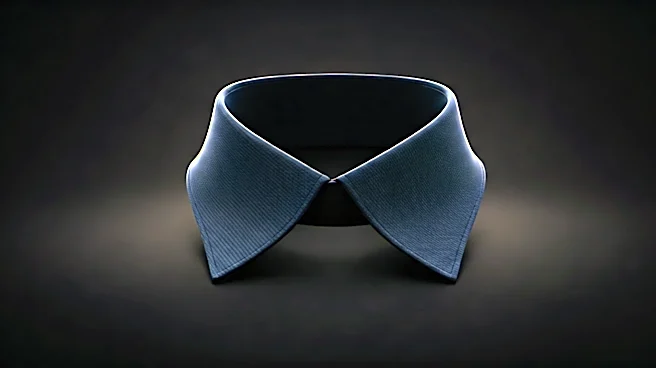
This trend goes far beyond simply unbuttoning a shirt. Designers are actively sculpting this new negative space. The open-collar shirt—also known as a camp, revere, or Cuban collar—has become a staple, designed to lie flat and lazily against the chest for a relaxed feel. [2] Brands like Zegna, Prada, and Saint Laurent have made it a signature. [12] We're seeing jackets with unconventional lapels that alter the shape of the V-neck, deeply unbuttoned satin shirts revealing a necklace, and even collarless designs that create an uninterrupted plane from shoulder to neck. [6, 12] The Fall/Winter 2025-2026 runways showed a distinct focus on the neck, with designers from Prada to Burberry using unique collars to frame the silhouette. [12] This isn't an empty space; it's a carefully considered canvas.
A Softer, More Confident Masculinity
Ultimately, the embrace of negative space reflects a change in the language of modern masculinity. The tie was part of an old uniform, a symbol of corporate conformity and rigid structure. [4, 8] The open neckline suggests something different: ease, approachability, and a quiet luxury that doesn't need to shout with logos or flashy accessories. [25] It's a form of soft power that exudes confidence through relaxation, not restriction. [9] This new aesthetic objectifies the male neck and chest in a way that was once reserved for womenswear, signaling a greater fluidity and comfort in men's style. [6] When a look is meticulously tailored and made from luxurious fabrics—a velvet suit, a silk shirt—the absence of a tie makes the entire ensemble feel more intentional and modern, not lazy. [6]