



1. The Story Must Be Clear
Before a single drop of polish is applied, the first consideration is the narrative. A draft-night manicure isn’t just about looking clean; it’s a tiny billboard for personal branding. Is the player paying tribute to their hometown, their college, or a family
member? For example, a player might want their college logo, a parent’s initials, or a symbol representing their journey. The artist's job is to translate that story into a design that’s both meaningful and instantly legible. This requires a deep conversation with the athlete to understand their message. It’s less about following a trend and more about creating a signature moment that will be screenshotted and discussed for days.
2. It Has to Pop Under Stage Lights
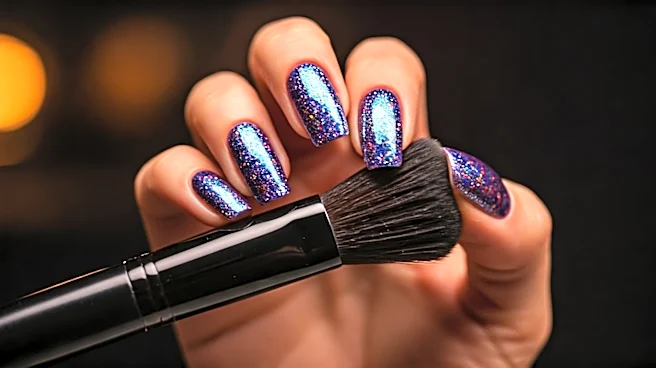
A design that looks great in a salon can completely disappear under the harsh, bright lights of a television studio. Professional nail artists who work with on-camera talent know this well. They have to consider how colors and finishes will react to professional lighting. Matte finishes can sometimes look flat or dull, while high-gloss topcoats are essential for catching the light and creating dimension. If there's fine-line detail, it needs to be bold enough to not get washed out. Metallic accents, like chrome powders or small, strategically placed foils, are a go-to trick. They bounce light directly into the camera lens, ensuring the design is visible even in a quick shot.
3. The 'Hat and Jersey' Color Conundrum
This is the ultimate draft-night challenge. The player doesn’t know which team’s hat and jersey they’ll be holding up. A manicure that clashes horribly with their new team’s colors can create a jarring visual. To solve this, artists often steer clients toward a few safe but stylish options. A neutral palette—think clean nudes, blacks, grays, or whites—is always a safe bet. Another popular strategy is using metallics like silver or gold, which act as a neutral and complement almost any team color. For players like Caleb Williams, who famously wore a chic, minimalist design, the choice of a simple, clean look was likely a deliberate strategy to avoid any potential color clashes while still making a style statement.
4. Built for Durability (and Hugs)
Draft night is an emotional marathon. There will be tears, celebratory hugs, vigorous handshakes, and dozens of people to meet. The manicure has to withstand all of it without a single chip or smudge. Most artists will opt for gel polish over traditional lacquer for its rock-solid durability. The application process is meticulous, involving careful cuticle work, proper base coats, and multiple thin layers of color cured under a UV lamp. The final topcoat is the armor, sealing the design and providing a high-gloss, scratch-resistant finish that will look perfect from the first phone call to the last press photo of the night.
5. The Angle of the Handshake
The single most-photographed moment for a draftee’s hands is the handshake with the commissioner. The artist knows this. They will analyze the typical camera angles for this shot. The top of the nails and the thumb are the heroes here. As the player reaches out to shake hands and then holds up their new jersey, the camera is often positioned slightly below or to the side. This means that any intricate design work is best placed on the main nail bed, not just the tip. The thumb is especially important, as it’s highly visible when holding a phone or the jersey. A simple, bold design on the thumb can have more impact than a complex pattern across all ten fingers that might look busy on camera.
6. Reflecting the Athlete's Vibe
Ultimately, the design has to feel authentic to the person wearing it. A great nail artist is also part psychologist. They gauge the client’s personality: Are they bold and fashion-forward, or more reserved and classic? Forcing an elaborate, headline-grabbing design on an athlete who prefers a subtle look will make them feel uncomfortable on the biggest night of their life. The goal is to enhance their confidence, not create a costume. The final design is a collaboration—a balance between the artist’s expertise on what works for the camera and the player’s personal style. It’s about creating a look that feels like an extension of them, so when they step onto that stage, they feel like the best version of themselves.