


The Grandfathers of the Genre
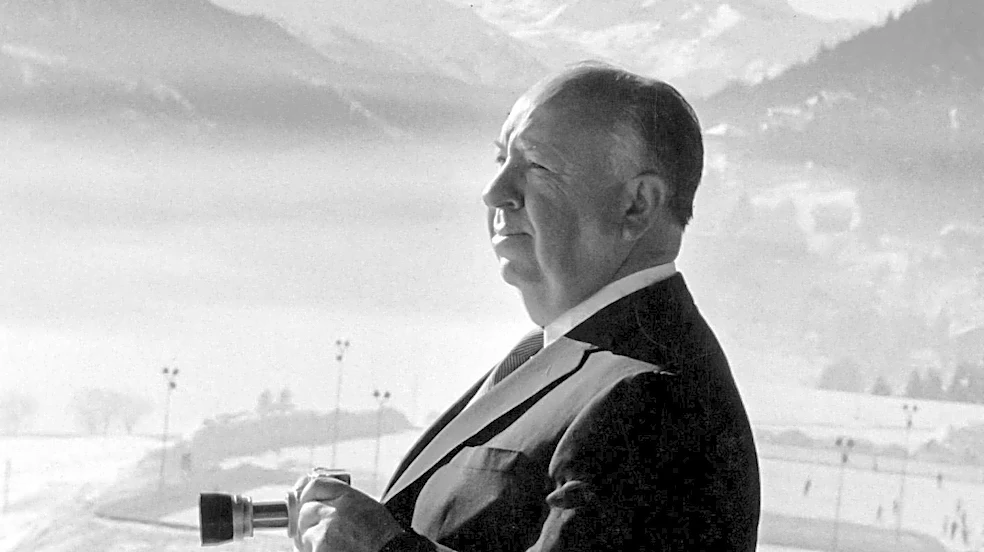
To find the slasher's true origins, you have to rewind to 1960, a year that shocked audiences with two game-changing films: Alfred Hitchcock’s 'Psycho' and Michael Powell’s 'Peeping Tom'. While not slashers by today's definition, they were crucial 'proto-slashers'.
'Psycho' terrified viewers by killing its presumed star early on and revealing a killer who was a human monster, not a supernatural creature. 'Peeping Tom', though initially reviled, introduced the unsettling concept of a killer who forces his victims to watch their own deaths, a chilling exploration of voyeurism and violence. Both films moved horror away from gothic monsters and grounded it in terrifying, psychologically disturbed individuals, laying the essential groundwork for everything to come.
The Italian Giallo Influence
Through the late 1960s and 70s, the slasher blueprint was further refined in Italy through the Giallo subgenre. Named after the yellow covers of Italian pulp mystery novels, these films were stylish, violent thrillers. Directors like Mario Bava and Dario Argento established key tropes: a mysterious, black-gloved killer whose identity is hidden until the end, stylized murder sequences, and the killer's point-of-view camera shot. Films like Bava’s 'Blood and Black Lace' (1964) are now seen as direct precursors to the American slasher, emphasizing creative kills and a high body count long before it became a staple in the U.S.
The Brutal Rise of the American Slasher
By the mid-1970s, the elements were all in place. Tobe Hooper’s 'The Texas Chain Saw Massacre' (1974) brought a new level of raw, gritty brutality to the screen, introducing a terrifying, tool-wielding killer in Leatherface. But the film that truly deserves the title of the first modern slasher is Bob Clark's 'Black Christmas' (1974). Released four years before 'Halloween', it features a group of sorority sisters being terrorized by a mysterious killer making obscene phone calls from inside the house. It pioneered the 'killer's POV' shot, the 'final girl' archetype, and the idea that the calls are coming from inside the house—all elements 'Halloween' would later be praised for popularizing.
Halloween Perfects the Formula
So if 'Black Christmas' did it first, why does 'Halloween' (1978) get all the credit? Because John Carpenter didn't just use the tropes; he codified them. He took the best elements from 'Psycho', 'Black Christmas', and the Giallo films and distilled them into a simple, terrifying, and incredibly effective formula. Carpenter introduced the idea of the killer as an unstoppable, almost supernatural force of pure evil. He combined this with the suburban setting, the 'sex equals death' trope, and the resourceful 'final girl' embodied by Jamie Lee Curtis. 'Halloween' wasn't the first, but its massive commercial success created a repeatable blueprint that launched the 'Golden Age' of slasher films in the 1980s, inspiring 'Friday the 13th', 'A Nightmare on Elm Street', and countless others.