





A Proxy for Everything Else
At its core, a soccer pitch can become a stage for dramas that have nothing to do with the sport itself. When two nations with a fraught history meet, the game often becomes a symbolic stand-in for larger conflicts. For ninety minutes, a country's collective
memory, pride, and even pain are projected onto twenty-two players. It’s why certain matches feel heavier and carry stakes that go far beyond a trophy. These rivalries are rarely born from a single bad tackle; they are forged in the fires of history and kept alive by the passion of national identity. The stadium acts as a public square where belonging is performed through songs, flags, and shared emotion, turning a simple game into a reflection of who a nation believes it is.
When History Is the 12th Man
Some of the fiercest rivalries are born from the ashes of real-world conflict. Look no further than England vs. Argentina. While a soccer rivalry existed, it was the 1982 Falklands War that transformed it into one of the most hostile in the sport. Just four years later, the teams met in the World Cup quarter-finals. For Argentina, it was a chance for symbolic revenge after a painful military defeat. Diego Maradona's infamous "Hand of God" goal, followed by his breathtaking solo effort, became legendary not just for the play, but for what it represented: a moment of cunning and brilliance to overcome a powerful adversary. Similarly, the rivalry between the Netherlands and Germany is deeply rooted in the German occupation during World War II. For years, Dutch players and fans viewed matches against Germany as a chance to settle a historical score, with one player in 1974 admitting he didn't care about the score, only about humiliating them.
The Battle for Bragging Rights
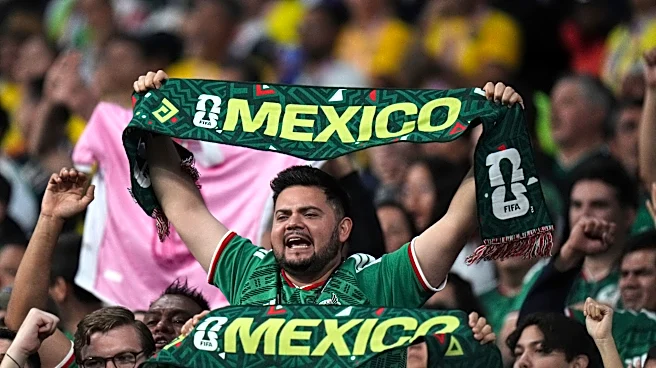
Not all rivalries need a war to get started. Sometimes, simple proximity is enough. The rivalry between the United States and Mexico is a perfect example of a battle for continental supremacy. For decades, Mexico dominated the series, with soccer deeply embedded in its national culture while the U.S. was still finding its footing. However, as the U.S. program grew, particularly after hosting the 1994 World Cup, the on-field competition intensified. The rivalry is amplified by the complex social and political relationship between the two neighbors and the massive Mexican-American population in states like California and Texas, where family and community loyalties are often passionately split on game day. These matches have become must-see events, consistently drawing massive, divided crowds and turning into a binary contest for North American soccer dominance.
A New Narrative on an Old Stage
Soccer also provides a powerful platform for post-colonial narratives. For many nations in Africa, Asia, and the Americas, facing a former colonial power on the pitch is an opportunity to assert their independence and forge a new identity. When Senegal defeated the reigning champions and former colonial ruler France in the opening match of the 2002 World Cup, it was a moment of immense national pride that reverberated far beyond soccer. These matches are not about revenge in the same vein as war-based rivalries, but about establishing equality and showcasing talent on a global stage that was once denied to them. Beating the old power is a symbolic act of leveling the field, proving that the student has, in some ways, become the master. It’s a way for a country to write a new chapter in its own history, with its own heroes.