

The Math That Makes It Make Sense
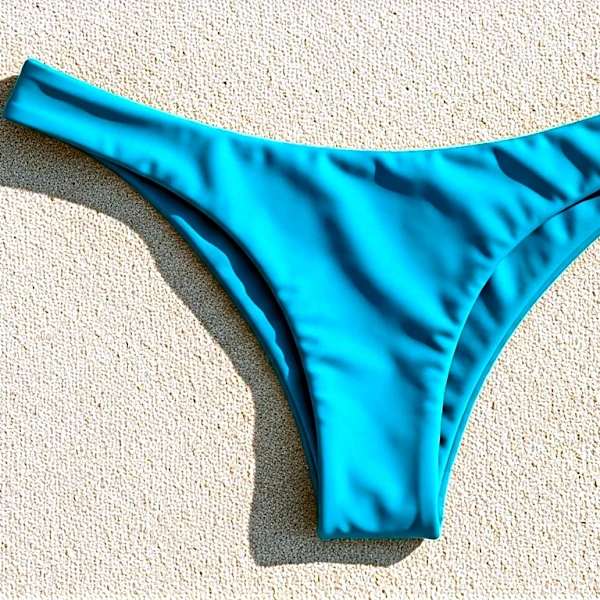
Cost-per-wear (CPW) is a simple but powerful formula: Divide the total price of an item by the number of times you wear it. It’s the metric that separates a true bargain from a false economy. A $40 swimsuit worn for one two-week vacation before it fades,
sags, and gets tossed has a CPW of $2.85 if you wear it every day. But what if it only survives five wears before looking sad? That’s an $8 CPW. Now, consider a $350 designer swimsuit. The price is undeniably steep. But if its superior quality and timeless design mean you wear it 15 times every summer for five years straight? That’s 75 wears. Your cost-per-wear plummets to about $4.67. Wear it for seven or eight years, and the number keeps dropping. The initial sticker shock fades, replaced by the quiet satisfaction of a purchase that delivers value year after year. It reframes the purchase not as an expense, but as an investment in your long-term wardrobe.
Beyond the Price Tag: The Quality Equation
So, what are you actually paying for with that higher price? It’s not just a fancy label. Designer swimwear is engineered for longevity. The fabric is often a high-performance blend, like those featuring Lycra Xtra Life fiber, which is specifically designed to resist degradation from chlorine, sunscreen, and heat up to 10 times longer than unprotected spandex. This means the suit retains its shape, color, and elasticity season after season. Cheaper suits often use generic elastane that quickly loses its memory, leading to the dreaded saggy bottom after just a few dips in the pool. Then there’s the construction. Look closely at a designer piece and you’ll see reinforced stitching, carefully placed seams that flatter the body, and often a full lining that provides support and prevents the fabric from becoming sheer when wet. These are not just aesthetic details; they are functional elements that contribute to a better fit and a much longer lifespan for the garment.
The End of Trend-Chasing
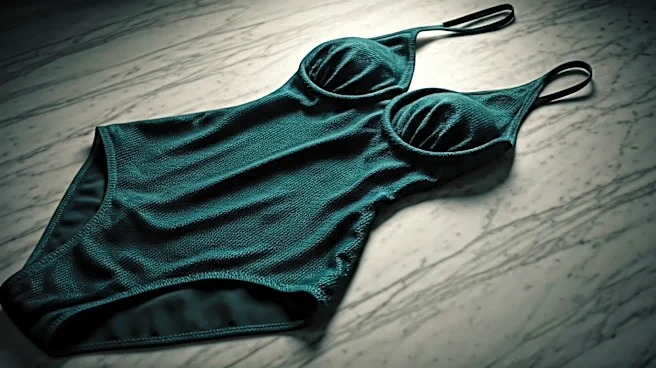
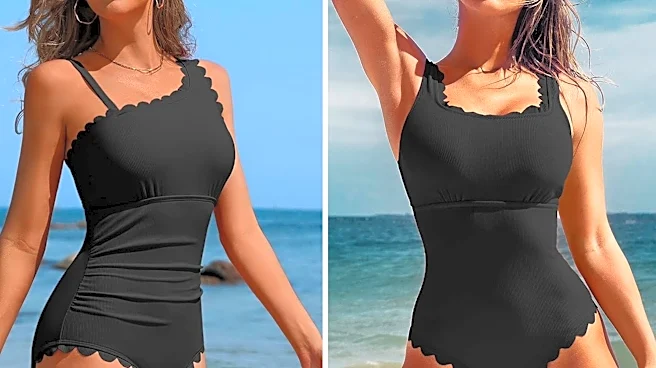
Fast fashion thrives on micro-trends. The oddly placed cutout, the of-the-moment neon, the pattern that screams “Summer 2024.” They’re fun, but they have a built-in expiration date. A year later, they can feel dated, compelling you to buy again. A well-chosen designer one-piece, on the other hand, is an exercise in classic style. It’s the simple black maillot, the elegant navy halter, or the perfectly cut bandeau. These are silhouettes that have looked good for decades and will continue to look good for decades to come. By investing in a timeless design, you’re opting out of the exhausting and wasteful cycle of trend-chasing. You’re not buying a swimsuit for *this* summer; you’re buying a swimsuit for *all* summers. This drastically increases the number of potential wears, driving your CPW ever lower.
The Confidence Factor
Let’s not underestimate the emotional return on investment. A cheap swimsuit that digs in, goes sheer, or loses its shape after an hour can make you feel self-conscious. You spend your beach day adjusting straps and worrying about wardrobe malfunctions instead of actually relaxing. A high-quality, well-constructed suit does the opposite. It supports, smooths, and flatters. It feels secure. When you feel confident and comfortable in what you’re wearing, you’re more likely to reach for it again and again. That feeling of putting on a swimsuit and feeling great—not just “fine”—is a significant part of the value proposition. This confidence boost ensures the suit becomes a beloved go-to, not a back-of-the-drawer regret, guaranteeing it earns its place in your life and its low cost-per-wear.