





More Than Just Spilled Milk
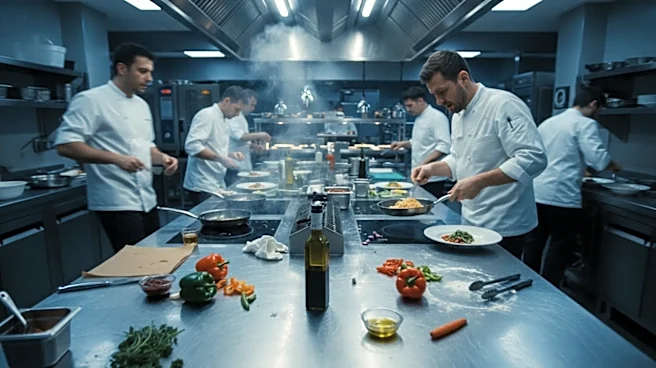
On the surface, The Bear is about a fine-dining chef, Carmen "Carmy" Berzatto, returning to Chicago to run his family's gritty sandwich shop after a tragedy. The show's depiction of the restaurant world is famously intense, capturing the breakneck pace
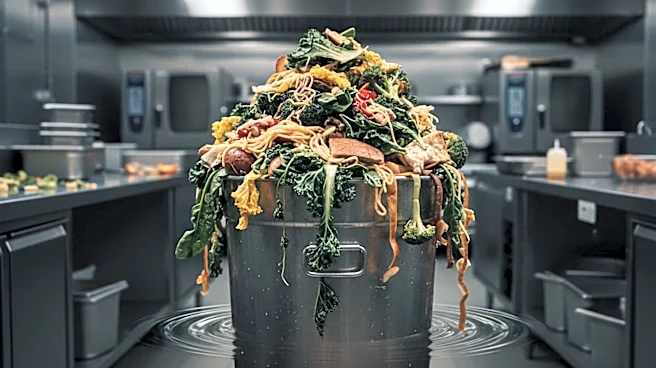
and relentless pressure of a professional kitchen. But beneath the shouts of "Corner!" and "Hands!," a more subtle narrative device is at play. Food waste in The Bear is not merely a consequence of kitchen clumsiness; it is a direct and visceral measurement of the emotional and psychological state of its characters. When the pressure skyrockets, so does the pile of discarded food. It's an immediate, visual cue that things are going off the rails.
Carmy's Quest for Perfection
Carmy's internal struggle is central to the series. Haunted by his time in abusive fine-dining kitchens and his brother's death, he is a man obsessed with control and perfection. This obsession is most clearly seen in his relationship with food. In the early days of him taking over The Original Beef, the chaos of the kitchen leads to inevitable waste—a dropped tray, a burnt sauce, a mismanaged order. Each incident is a small failure that visibly gnaws at him. As he works to implement a more disciplined system, known as the French brigade, the goal is not just about making better food, but also about creating order and minimizing waste. For Carmy, a clean, efficient kitchen with zero waste is the ultimate sign that he is in control of his environment and, by extension, his own spiraling anxieties.
A Thermometer for Tension
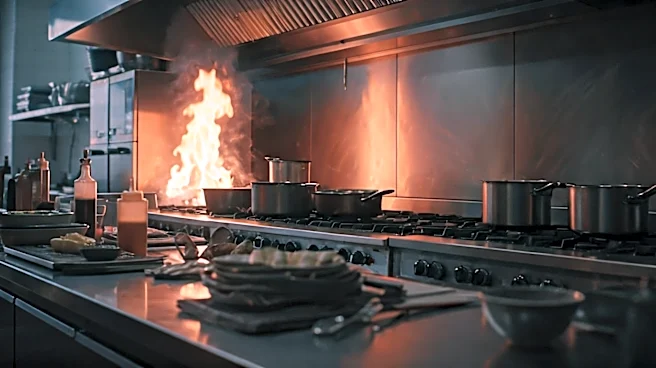
Think of the most stressful moments in the show. Season one’s infamous seventh episode, "Review," is a masterclass in escalating tension, culminating in a disastrous service where the pre-order ticket machine goes haywire. The kitchen descends into pure chaos, and with it comes a mountain of wasted food and abandoned orders. It’s the physical embodiment of a collective nervous breakdown. Conversely, when the team is in sync, waste is minimized. Sydney's drive to create a sustainable menu, finding uses for every part of an ingredient, represents a more hopeful, controlled approach. Her focus on efficiency and creativity is the direct opposite of the wasteful panic that defines the kitchen's low points. The more stressed the characters are, the more food ends up in the trash, serving as an undeniable gauge of the pressure in the room.
The Price of a Michelin Star
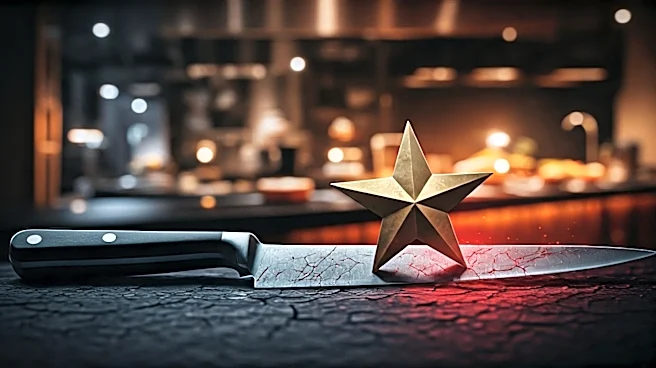
As the restaurant transforms into the fine-dining establishment, The Bear, the nature of the food waste evolves, but its function as a pressure gauge remains. In the pursuit of a Michelin star, Carmy’s perfectionism goes into overdrive. We see him discarding entire, often expensive, dishes because a single element isn't perfect. This type of waste is different from the chaotic mess of season one. It is a calculated, almost cold-blooded, byproduct of an impossible standard. It reflects a different kind of pressure: the self-imposed tyranny of chasing greatness. This frustrates other characters and viewers alike, as perfectly good, high-end ingredients are tossed in the name of an abstract ideal. It highlights the often-absurd standards of fine dining and shows how Carmy’s personal demons have shifted from managing chaos to battling an unforgiving internal critic.