







1. Declare Your Allegiance (Even Randomly)
The first step to generating excitement is creating stakes, even if they’re silly. Before the tournament begins, hold a “draft day.” Write the names of a few top countries on slips of paper and have each family member draw one to be “their” team for the duration
of the cup. You can also pair up, with parents and kids rooting for the same nation. This instantly transforms a random match between, say, Japan and Croatia, into a personal rivalry. Go a step further by printing out your chosen country's flag to hang in the living room or learning the name of its star player. The investment is small, but the emotional payoff is huge when your team scores a goal.
2. Make It an International Feast
Tie your snacks and meals directly to the teams on the field. This turns passive viewing into an interactive culinary adventure. If the U.S. is playing England, it’s an easy excuse for sliders and fish and chips. Brazil playing Argentina? Make pão de queijo (cheese bread) and serve empanadas. You don’t need to cook a complex, four-course meal. Simple, thematic snacks are often more fun for kids. Even something as basic as buying croissants for a France match or making a platter of bratwurst for a Germany game creates a multisensory experience. This becomes a geography and culture lesson disguised as lunch, broadening your family’s palate along the way.
3. Set the Scene Without Breaking the Bank
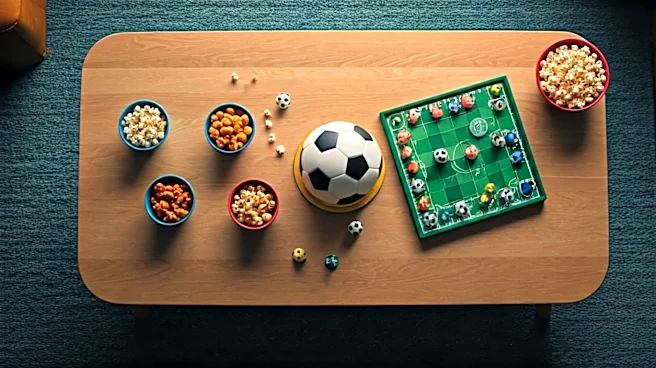
You don't need to turn your home into a sports bar, but a few simple decorations can signal that this isn't just any old Saturday. A green tablecloth can stand in for the pitch. A cheap, inflatable soccer ball can be the centerpiece. You can also create a simple tournament bracket on a whiteboard or poster board and update it after each match. This visual aid helps everyone follow the tournament’s progress and builds anticipation for the next round. For kids, the ritual of setting up the “soccer space” becomes as much a part of the tradition as the game itself.
4. Learn a Little, Cheer a Lot
Use the game as a low-pressure learning opportunity. Before the match, spend five minutes looking up the competing countries on a map. Learn how to say “hello” or “goal!” in their native languages. Google a fun fact about each nation. Did you know Denmark is the home of LEGOs? Or that Costa Rica has no army? These little nuggets of information connect the players on the screen to real places and cultures. It adds a layer of depth to the experience and gives you something to talk about during lulls in the action, keeping younger kids engaged who might not have the attention span for a full match.
5. Hold Your Own Halftime Show
Sitting for 90-plus minutes can be tough, especially for kids. Plan a halftime activity. Set up a mini-goal in the backyard for a penalty kick shootout. Have a contest to see who can juggle a soccer ball the longest. If you’re stuck indoors, a simple game of balloon soccer in the living room gets everyone moving. This physical break resets attention spans and lets the family burn off some of the energy built up from watching the game. The goal is to associate soccer day with fun and movement, not just sitting on the couch.
6. Create a Tournament Time Capsule
Establish a simple way to commemorate each tournament. Get a dedicated scrapbook or journal and, after the final, have everyone write down their favorite memory. Was it a stunning goal? A funny moment when the family dog stole the inflatable soccer ball? A particularly delicious batch of themed snacks? Paste in your team flags and the final bracket. Over the years, this book becomes a cherished record not just of soccer history, but of your family’s history. It’s a tangible reminder of the Saturdays you spent together, building a tradition one goal at a time.