



Choosing the right wool trousers can feel like a high-stakes decision between two great options. In one corner, you have the soft, textured appeal of flannel. In the other, the crisp, smooth resilience of worsted. So, which one wins?
Meet the Contenders: What is Wool Flannel?
Think of wool flannel
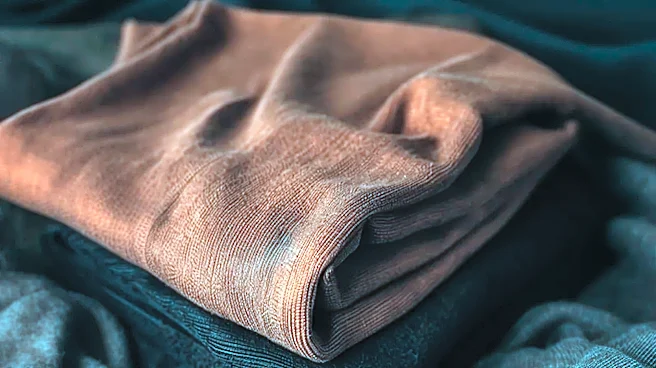
as the charismatic intellectual of the fabric world. Its defining feature is a soft, slightly fuzzy surface, known as a 'nap'. This texture is created by brushing the woven cloth to raise the fibers, resulting in a material that feels cozy and drapes beautifully. Flannel trousers have a relaxed sophistication; they’re less formal than a sharp suit pant but a significant step up from chinos. The fabric has a matte, non-reflective finish that makes patterns appear more muted and colors deeper. This softness and visual depth make flannel a long-standing favorite for comfortable, stylish trousers, especially during cooler months.
The Workhorse: What is Worsted Wool?
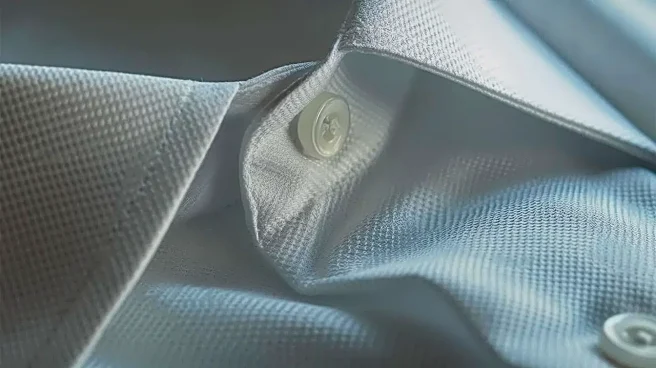
If flannel is the intellectual, worsted wool is the consummate professional. Worsted refers to a specific process where long-staple wool fibers are combed to lie perfectly parallel before being spun into a tight, smooth yarn. This method removes the shorter, unruly fibers, resulting in a fabric that is exceptionally smooth, strong, and crisp. Worsted wool has a clean surface with a subtle luster, making it the default choice for business suits and tailored garments. Its tight weave gives it excellent durability and natural wrinkle resistance, allowing trousers to shed creases and maintain a sharp line throughout the day.
The Feel: Soft and Cozy vs. Smooth and Crisp
The primary difference you'll notice is in the hand-feel. Flannel is defined by its softness and fuzzy texture. It’s the trouser you want to wear on a brisk autumn day for maximum comfort. Worsted wool, by contrast, feels smooth, cool, and clean to the touch. While a high-quality worsted is far from uncomfortable, its texture is about polished refinement, not cozy warmth. For pure, touchable comfort, flannel has the clear edge. For a crisp, all-business feel against the skin, worsted is the winner.
Durability and Upkeep: Which Lasts Longer?
For everyday wear, durability is key, and this is where worsted wool pulls ahead. The long, tightly spun fibers of worsted wool make it highly resistant to pilling, friction, and abrasion. It’s built to be a workhorse. Wool flannel, due to its napped surface made of raised fibers, is more susceptible to showing wear over time, particularly in high-friction areas like the seat and inner thighs. While 'worsted flannel' exists as a more durable hybrid, traditional woolen flannel is the more delicate of the two and benefits from being rotated rather than worn day after day.
The Seasonality Question: Yearless vs. Cold Weather
Flannel is a cold weather champion. Its lofty, fuzzy texture is designed to trap air, providing excellent insulation and warmth, making it an ideal choice for fall and winter. Wearing heavy flannel in July is not a comfortable proposition. Worsted wool is far more versatile. It comes in various weights, from heavy winter twills to lightweight 'tropical' weaves that are breathable enough for summer. A midweight worsted wool trouser can comfortably be worn for at least three seasons in most climates, making it a more practical yearround option.
The Verdict: Which is Best for 'Everyday'?
While both fabrics make for excellent trousers, the 'everyday' requirement tips the scales. For true, dayin, dayout use, worsted wool is the more sensible choice. Its superior durability, wrinkle resistance, and wider seasonal range make it the reliable foundation of a trouser wardrobe. It’s the pair you can wear to the office on Tuesday, on a flight on Wednesday, and out to dinner on Thursday without a second thought. Wool flannel is a fantastic addition and perhaps the ultimate 'bridge' trouser for smartcasual wear, but it's more of a seasonal specialist. It excels in character and comfort, but for sheer practicality and longevity as an everyday staple, worsted wool takes the crown.