



The Great Streaming Rebundling
The core promise of cord-cutting was freedom from the bundle—that take-it-or-leave-it package of 200 channels you paid for just to watch ten. Yet, the streaming world has ironically recreated the very model it sought to destroy. To get the breadth of content
they want, from blockbuster movies to prestige dramas and kids' shows, households now subscribe to multiple services. The average streaming-only home subscribes to three or more services, and the monthly cost is creeping up. When you add a live TV streaming service like YouTube TV or Hulu + Live TV to the mix, the total bill can easily rival what a mid-tier cable package cost just a few years ago. This phenomenon, dubbed the "great rebundling," means today's cord-cutter is often just managing a new, internet-delivered bundle of their own creation.
Live Sports: The Final Boss
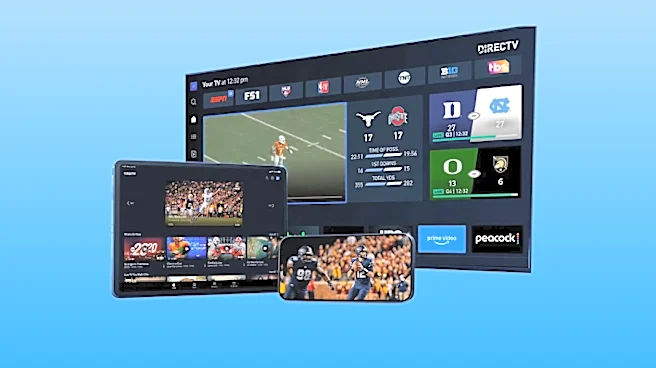
For years, live sports were the glue holding the cable bundle together. Now, that glue has been spread across a dizzying array of platforms. Major leagues have splintered their broadcast rights, meaning a die-hard NFL or NBA fan might need a traditional broadcast channel, a cable network like ESPN, a league-specific app, and a major streaming service just to follow their team. This fragmentation is a primary driver for the blurring lines. It has pushed many cord-cutters back toward a package, even if it’s a streaming-based one like FuboTV or YouTube TV, which are essentially cable packages delivered over the internet. In fact, access to live sports is the number one reason lapsed cable subscribers return to some form of pay-TV service.
Cable Companies Aren't Just Cable Anymore
While streaming services were busy becoming more like cable, cable companies were forced to start acting more like tech companies. Facing an exodus of subscribers—with millions continuing to cut the cord annually—providers like Comcast and Spectrum have shifted their strategy. Instead of fighting the streaming tide, they are joining it. Many now offer their own flexible, app-based streaming packages that run on their broadband infrastructure, completely bypassing the traditional cable box. These services often combine local channels with popular cable networks and can be accessed on smart TVs and mobile devices, just like Netflix or Disney+. This strategic pivot means a household might technically be a customer of a "cable company" without having a single coaxial cable running to their television for video.
The Rise of the Hybrid Viewer
The result of this convergence is that the term “cord-cutter” no longer describes a distinct behavior. Are you a cord-cutter if you subscribe to an internet-only package from Comcast that includes a live TV app? What about if you piece together five different streaming services, including a live TV bundle, that costs you $150 a month? The identity has fractured. Today, we are all hybrid viewers, mixing and matching on-demand content with live programming, regardless of whether the signal comes through a cable, fiber-optic line, or Wi-Fi. The defining characteristic is no longer the cord itself, but the desire for choice—even if that choice now leads to a setup that looks suspiciously like the one we tried to escape.