







The Official Pitch: A Guaranteed Windfall
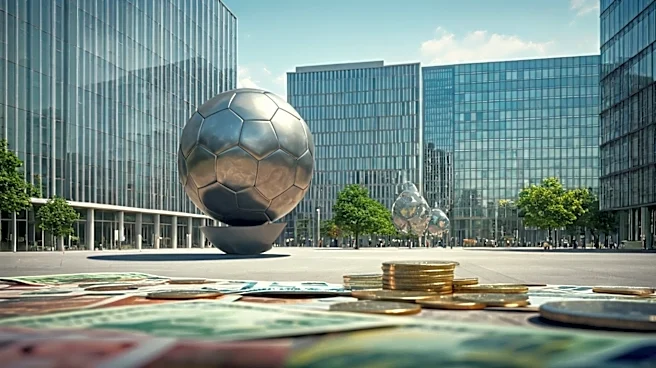
Every host city or nation presents a dazzling economic forecast. The argument is simple and seductive: hundreds of thousands of high-spending international tourists will flood in, filling hotels, restaurants, and shops. Projections often tout billions
in economic activity and the creation of tens of thousands of jobs, from construction workers building shiny new stadiums to hospitality staff serving fans. For cities like those hosting the 2026 World Cup across North America, the promise is a massive injection of cash and a permanent spot on the global tourism map. It’s sold as an investment with a guaranteed, spectacular return.
The Money Trail: Where Does It Actually Go?
Here’s where it gets complicated. A significant portion of that tourist spending doesn’t stay in the local community. It flows to multinational corporations—think international hotel chains, global rental car companies, and official sponsors like Coca-Cola and Adidas. FIFA itself, as a non-profit, reaps enormous revenue from broadcasting and sponsorship rights, much of which is reinvested in global soccer development, not necessarily left in the host nation’s economy. Furthermore, economists talk about the “crowding out” effect. While soccer fans pour in, regular tourists, business travelers, and even some locals—scared off by the high prices and chaos—stay away. In many cases, the net gain in visitors is much smaller than the flashy headline numbers suggest.
The Billion-Dollar Hangover: White Elephant Stadiums
The most visible legacy of a World Cup is the infrastructure. Building or renovating a dozen state-of-the-art stadiums costs billions. The key question is what happens when the party’s over. While a new airport terminal is always useful, a 50,000-seat soccer-specific stadium in a city without a major professional team can become a “white elephant”—an expensive, beautiful, and utterly useless structure that drains public funds for decades of maintenance. Brazil, after hosting in 2014, was left with several multi-million-dollar venues in remote locations that now see little to no use. While U.S. cities in 2026 will largely use existing NFL stadiums, the required upgrades and temporary infrastructure costs still run into the hundreds of millions.
The Hidden Social Costs
The economic equation also ignores the human impact. In the lead-up to a mega-event, rents and property values in host cities can skyrocket. Low-income residents are often priced out of their neighborhoods or displaced by new development. Public resources, from policing to sanitation, are diverted to serve the needs of the tournament, sometimes leaving regular residents with strained services. While new jobs are created, many are temporary, low-wage service positions that disappear the moment the final whistle blows. This side of the ledger—the social disruption and inequality—rarely makes it into the glossy promotional brochures but is a very real part of the tourism effect for the people who call the host city home.