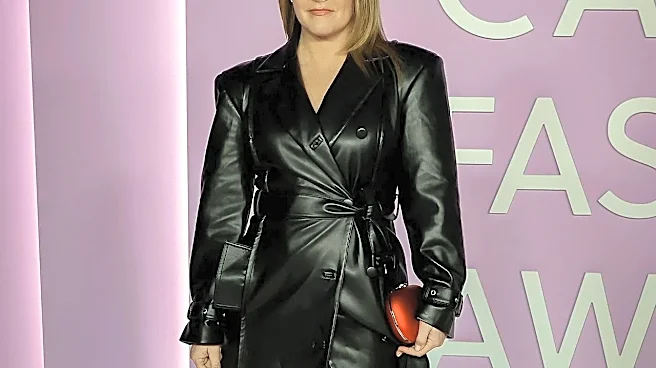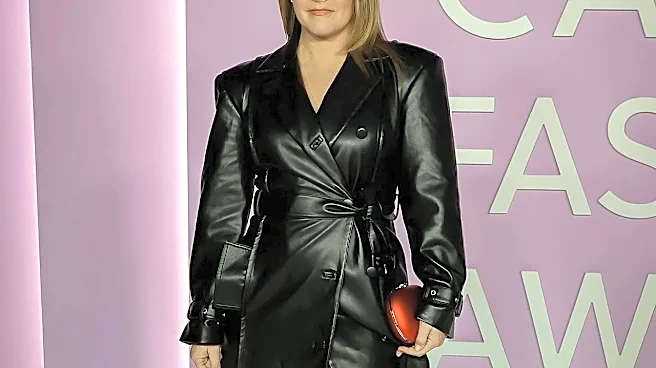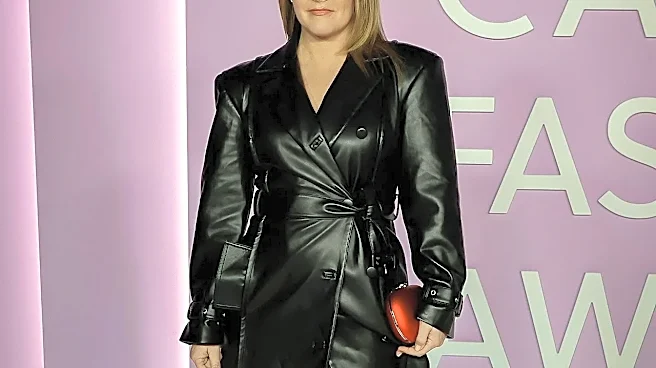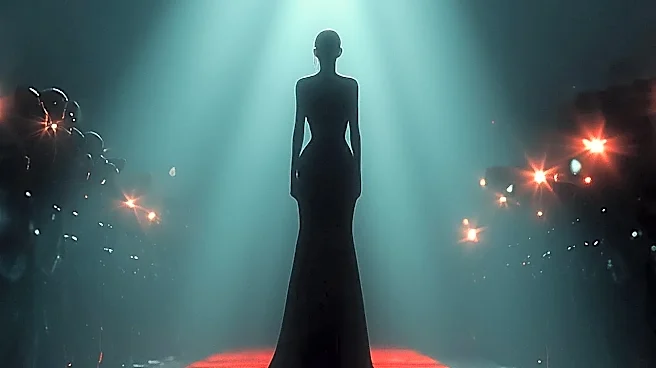





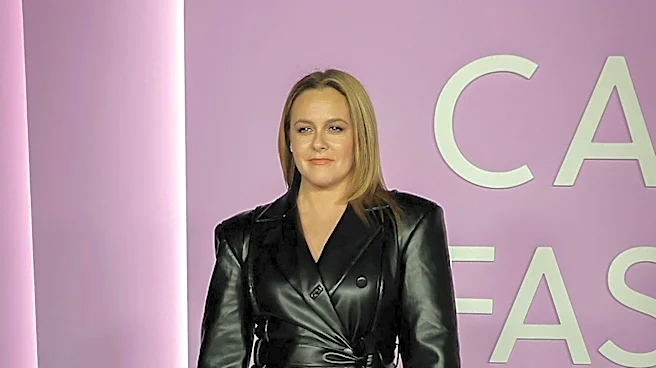


The CFDA Fashion Awards are often called the 'Oscars of fashion,' a night of glamour celebrating American design. But behind the red carpet is a carefully constructed system, and understanding the CFDA Fashion Awards Guild is key to seeing who counts.
The Guild, Demystified
First, let's clear up the names. The Council of Fashion Designers of America (CFDA) is the main trade association for the U.S. fashion industry, founded in 1962. Its membership includes hundreds of top designers. The CFDA Fashion Awards Guild, however, is a different beast. It's an exclusive, invitation-only group responsible for one crucial task: determining the nominees and winners for the annual CFDA Fashion Awards. This body is composed of CFDA members, but also extends to other influential figures: top fashion editors and journalists, powerful retail executives, and big-name stylists. Think of the CFDA as the country, and the Guild as the electoral college that picks the winners.
Membership as a Mirror
So, who gets an invitation to join the Guild? While the full list isn't public, its composition is described as influential members of the fashion industry. This is where the power structure becomes visible. The group that decides who is excellent in American fashion is made up of the very people who already hold institutional power. It includes legacy designers who run namesake global brands, editors from major magazines that decide who gets coverage, buyers from department stores who determine which clothes make it to the sales floor, and stylists who dress the celebrities that drive trends. The Guild is, in essence, a reflection of the existing ecosystem. Its members are not outside observers but active participants in the very system they are tasked with judging.
The Currency of a Nomination
A win or even a nomination at the CFDA Fashion Awards is more than just a trophy. It is one of the most significant endorsements an American designer can receive. For an emerging designer, a nomination can be a career-making moment, unlocking access to vital resources. It translates into media headlines, boosts investor confidence, and convinces skeptical retailers to place large orders. Programs like the CFDA/Vogue Fashion Fund, which also bestows grants and mentorship, show how intertwined recognition and financial viability have become. This makes the Guild's decisions incredibly high-stakes. They are not just awarding creative vision; they are anointing businesses, directing capital and media attention, and ultimately shaping the future of the industry's commercial landscape.
The Unspoken Rules of the Game
This concentration of power leads to the central question: is the Guild a mechanism for meritocracy or a gatekeeper that reinforces the status quo? Critics have long argued that the fashion industry's inner circle tends to reward those who are already in their orbit. The selection process, while officially based on creative excellence, can be influenced by established relationships, commercial success, and alignment with the aesthetic sensibilities of the current guard. While the CFDA has made efforts to promote diversity and inclusion, the power to nominate and vote remains concentrated among a select few. The Guild's structure inherently favors those who are already known to its members, making it a difficult circle for true outsiders to break into. The nominees for 2026, for example, feature a mix of established titans like Michael Kors and Ralph Lauren alongside newer, critically acclaimed designers. This shows a system that recognizes new talent but still operates within the framework defined by its most powerful players.