

The Man, The Myth, The Liter of Cola
Let’s be honest: a key ingredient in the Super Troopers formula has always been the sheer, unadulterated aggravation that is Trooper Rodney Farva. Played with belligerent glee by Kevin Heffernan, Farva is the guy everyone has worked with—loud, arrogant,
and convinced of his own superiority against all available evidence. In the original 2001 cult classic, he was the ultimate antagonist from within, a walking HR violation who existed to make life miserable for his fellow troopers. His transfer back to the Spurbury barracks was a punishment for them, not him. The 2018 sequel doubled down on this, with Farva’s antics remaining a reliable source of conflict and groans. He’s the punchline, the obstacle, and the reason the team can’t have nice things. Fans love to hate him, quoting his most obnoxious lines with a strange mix of affection and disgust. For years, Farva has been the comedic engine of chaos, but never the heart of the story.
From Punchline to Premise
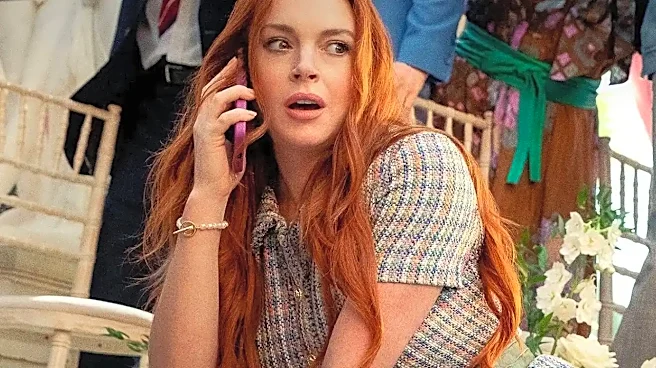
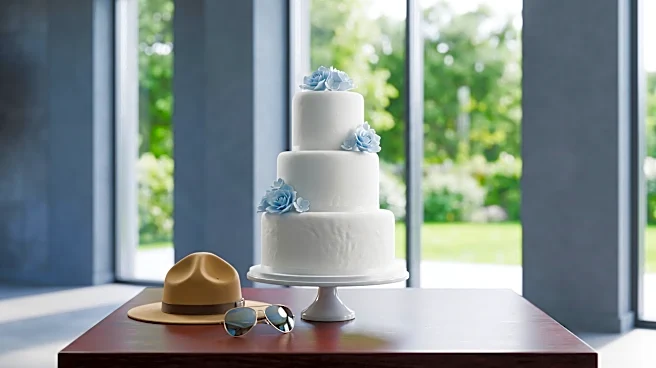
The plot of Super Troopers 3: Winter Soldiers, which hit theaters in August 2026, flips the entire dynamic on its head. The central premise revolves around Farva finding love and getting engaged, a concept so absurd it becomes the movie's main hook. After heroically rescuing a woman, Sarita (played by Hannah Simone), from a car wreck, the two fall for each other. The twist? Sarita is the sister of Thorny (Jay Chandrasekhar), Farva's longtime rival. This shocking development elevates Farva from a simple source of B-plot frustration to the absolute catalyst of the A-plot. The entire narrative is driven by Thorny's desperate, cartoonish schemes to break up the engagement and prevent Farva from officially joining his family, while the other troopers are caught in the middle. The film's emotional stakes, however silly, are tied directly to whether Farva, of all people, can find happiness.
Why a 'Softer' Farva Mostly Works
Giving your most abrasive character an emotional arc is a risky move for a comedy franchise, but for Super Troopers, it’s a surprisingly savvy one. After 25 years, the simple gag of “Farva is annoying” was at risk of wearing thin. By making him the protagonist of a bizarre love story, the Broken Lizard troupe found a new way to generate comedy. The humor no longer comes just from Farva being a jerk, but from the entire team’s inability to process his sudden, seemingly genuine emotional growth. Reviews suggest the film succeeds because it doesn't completely change the character; instead, it puts the Farva we know into a situation we’ve never seen. He’s still the same walking disaster, but now he’s a disaster in love. Heffernan commits to the bit, showing moments of real affection for Sarita that are just as funny as his outbursts because they’re so unexpected. This pivot allows the film to explore new territory—the anxieties of aging, commitment, and maturity—without losing its signature juvenile spirit.
The Risk of Fixing What Ain't Broken Lizard
Of course, not everyone was thrilled with the new direction. For some longtime fans and critics, giving Farva a heart felt like a betrayal of the character's core purpose. A common critique is that Farva works best in small, potent doses, and centering the entire film around him tests the audience's patience. The tension in the original film came from the troopers uniting against outside threats and Farva's internal sabotage. In Winter Soldiers, the central conflict is almost entirely interpersonal, revolving around the wedding. While this provides a new narrative engine, some argue it sidelines the classic highway shenanigans and ensemble riffing that made the first film a classic. There's a fine line between character evolution and character dilution. By making Farva a sympathetic figure, even a little bit, the film risks sanding down the abrasive edges that made him so uniquely and hilariously terrible in the first place.