







The Stage Was Set for Glory
The 2006 World Cup final in Berlin was supposed to be a coronation. Zinedine Zidane, the elegant French maestro affectionately known as “Zizou,” had been persuaded out of international retirement to lead an aging squad. Against all odds, he powered them
through the tournament, brushing aside concerns that the team was a relic of its 1998 championship run. In the final against Italy, he was magnificent, scoring an audacious chipped penalty early on. With the score tied 1-1 deep into extra time, the stage was set for Zidane to either win a second World Cup in his very last game or bow out gracefully in a penalty shootout. Just minutes before the headbutt, he nearly won it with a soaring header that was miraculously saved. It was the perfect setup for a storybook ending. Instead, it became a tragedy.
The Headbutt Seen 'Round the World
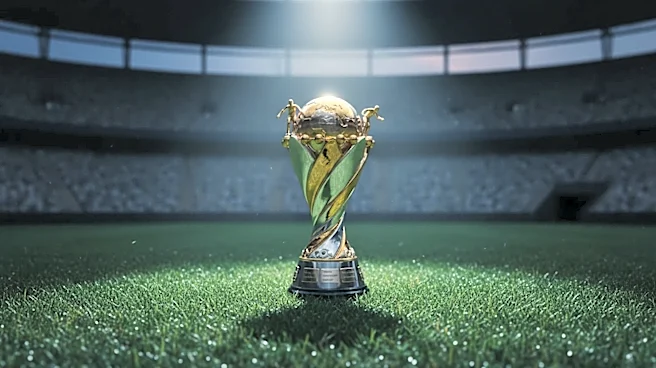
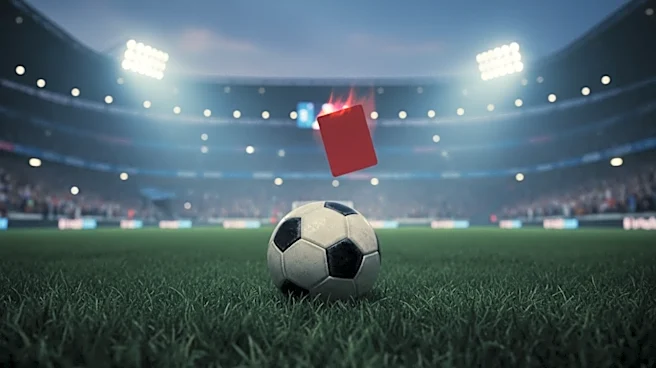
In the 110th minute, the narrative shattered. After a brief exchange of words with Italian defender Marco Materazzi, Zidane jogged away, then abruptly turned back. In a motion that was shockingly fluid and brutally decisive, he planted his feet and drove his head into Materazzi's chest, sending the defender to the ground. The referee initially missed the incident, but after being alerted by the fourth official—a moment that foreshadowed the video-assisted refereeing of today—he brandished a red card. The image of Zidane walking off the field, head bowed, past the gleaming World Cup trophy, became one of the most indelible in sports history. France, without its leader, went on to lose the final in a penalty shootout.
The Whispers That Sparked the Fire
In the immediate aftermath, the world was consumed by one question: What could Materazzi have possibly said? The speculation was rampant. Years later, both players provided clarity. After Zidane told Materazzi that if he wanted his jersey, he could have it after the match, the Italian defender admitted he retorted with a crude remark about Zidane's sister. For Zidane, this was the final straw. He later explained that the comment, targeting a family member during a time of personal stress, triggered something deep within him. It wasn't random violence; it was a deeply personal, albeit indefensible, reaction to a verbal jab that crossed a sacred line.
A Legacy of Beautiful Contradiction
Most athletes who commit such an act on the world's biggest stage would be vilified, their legacies permanently stained. And yet, Zidane's was not. While some teammates were reportedly furious, the French public largely forgave him, with then-President Jacques Chirac hailing him as a hero. The act was even immortalized in a bronze sculpture. Unlike other shocking athlete exits—like those due to injury or loss of passion—Zidane's was an act of aggression rooted in a twisted sense of honor. It didn't erase his genius; it added a layer of dangerous, tragic humanity. The headbutt became a permanent, complicated part of his mythos: the street-fighter spirit from the tough suburbs of Marseille erupting from the elegant artist on soccer's grandest stage.